
Asthma Care and Treatment in Georgia
Asthma evaluation and ongoing care at 15 Georgia clinics. Inhalers, trigger plans, and regular monitoring to keep symptoms under control.

Most Insurance Accepted
FSA & HSA Accepted
Self-pay available





+ Others
Comprehensive asthma care nearby
Asthma is evaluated and managed with inhalers, trigger plans, and regular monitoring at AllCare's 15 Georgia clinics to keep symptoms under control. Book an appointment; self-pay starts at $140.

Oxygen Therapy
Supplemental oxygen to restore low levels to normal.
Chest X-Rays
Checks for pneumonia or other causes of your cough.
Physical Exam
We review symptoms, known triggers, and your history, and take your vitals.
Lung Function Test
Breathing into a spirometer measures lung function and screens for COPD.
Oxygen Saturation
A quick finger-clip reading confirms your blood is getting enough oxygen.
Asthma Medication
Bronchodilators and corticosteroids to open airways, plus a plan for home use.

what to expect
Asthma testing and treatment without the wait
Test Your Lungs
Build The Plan
Keep It In Check
15 Georgia clinics treating asthma

Braselton

Halcyon

Duluth

Hamilton Ridge

Ellard Village

Peachtree Plaza

Tyrone

Smyrna

Alpharetta

Decatur

Dallas
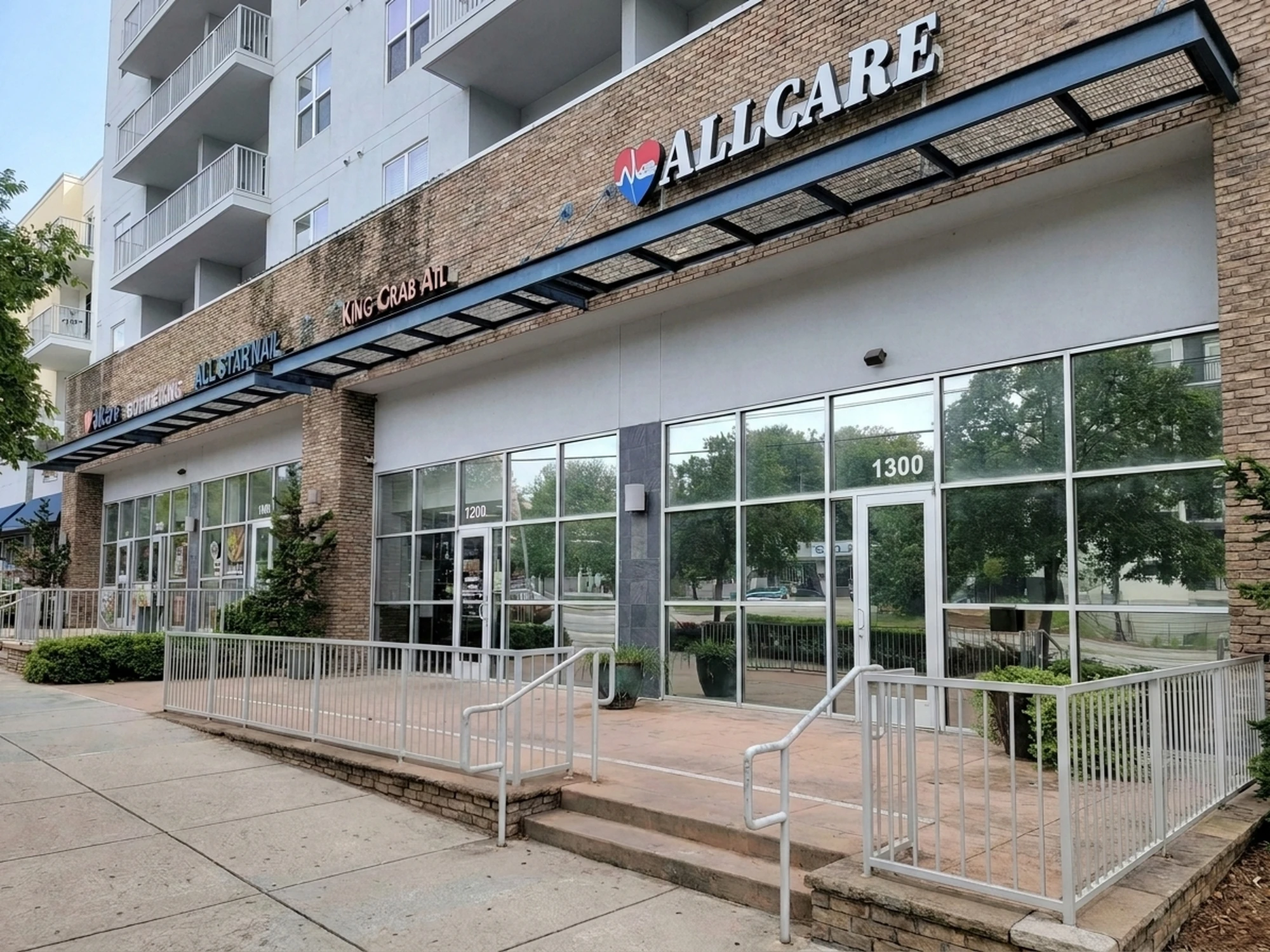
Northside
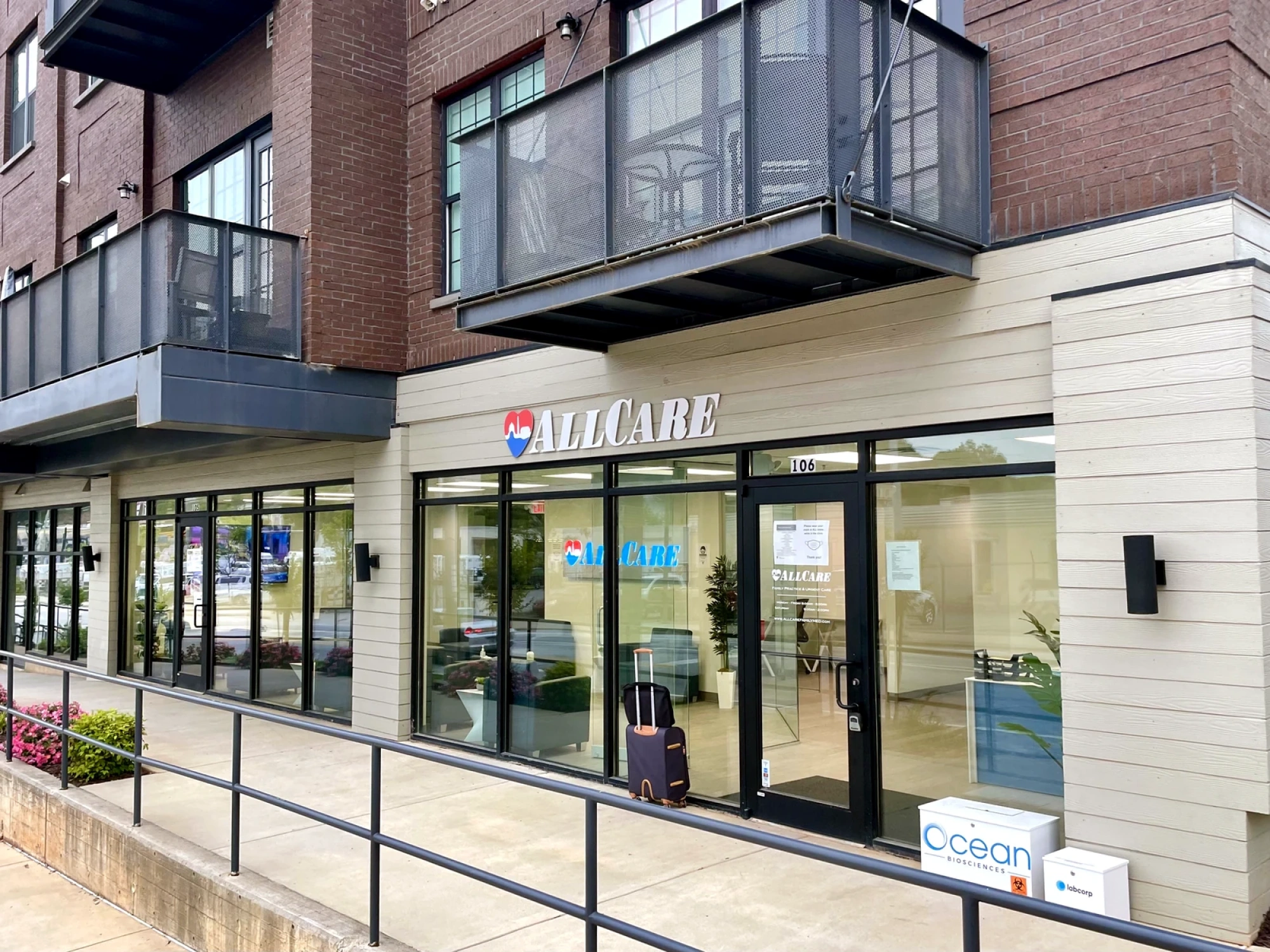
Reynoldstown
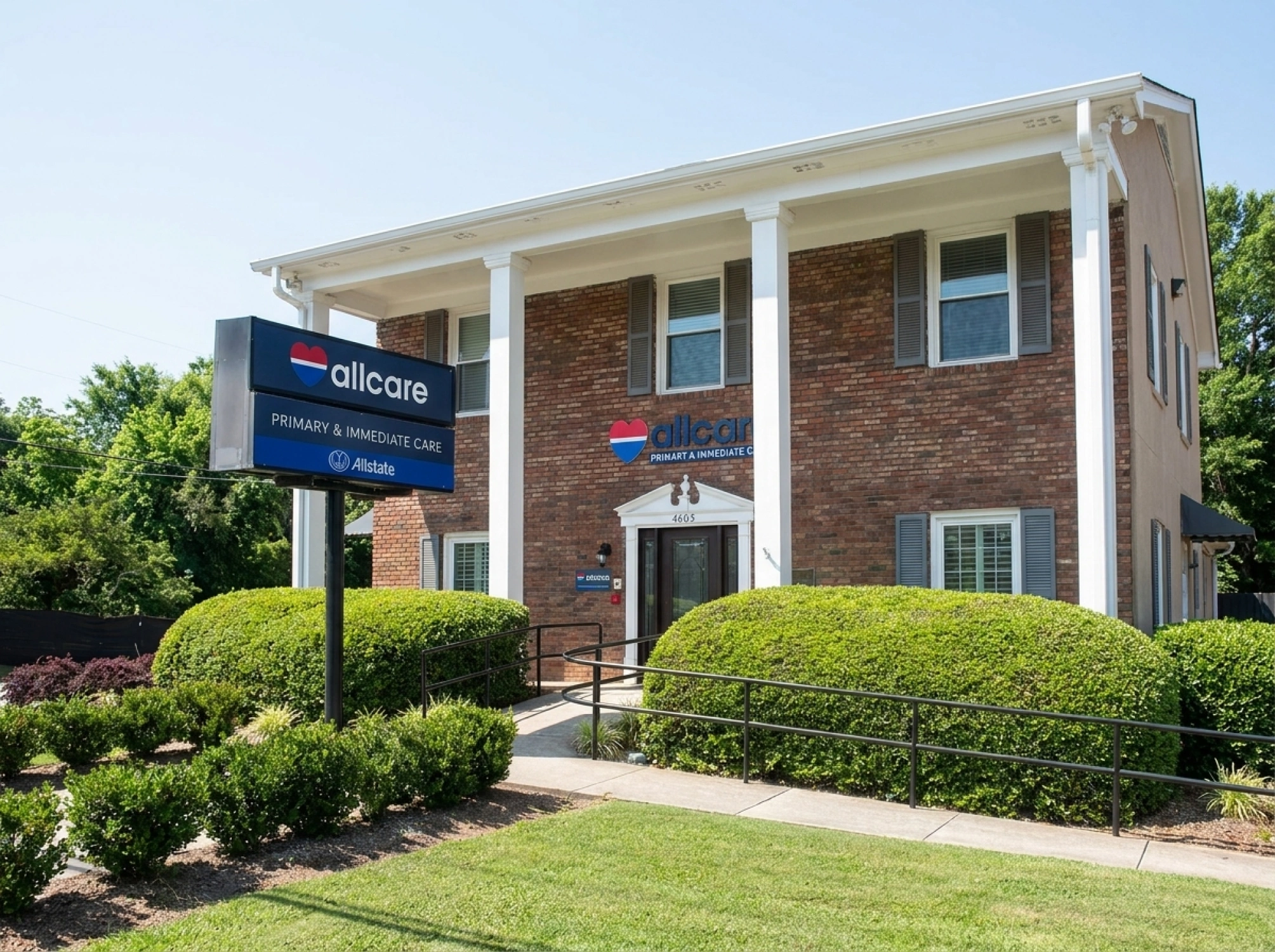
Buckhead

Midtown
Help from qualified providers & specialists

Tracey Sills

Tolu Arowosegbe
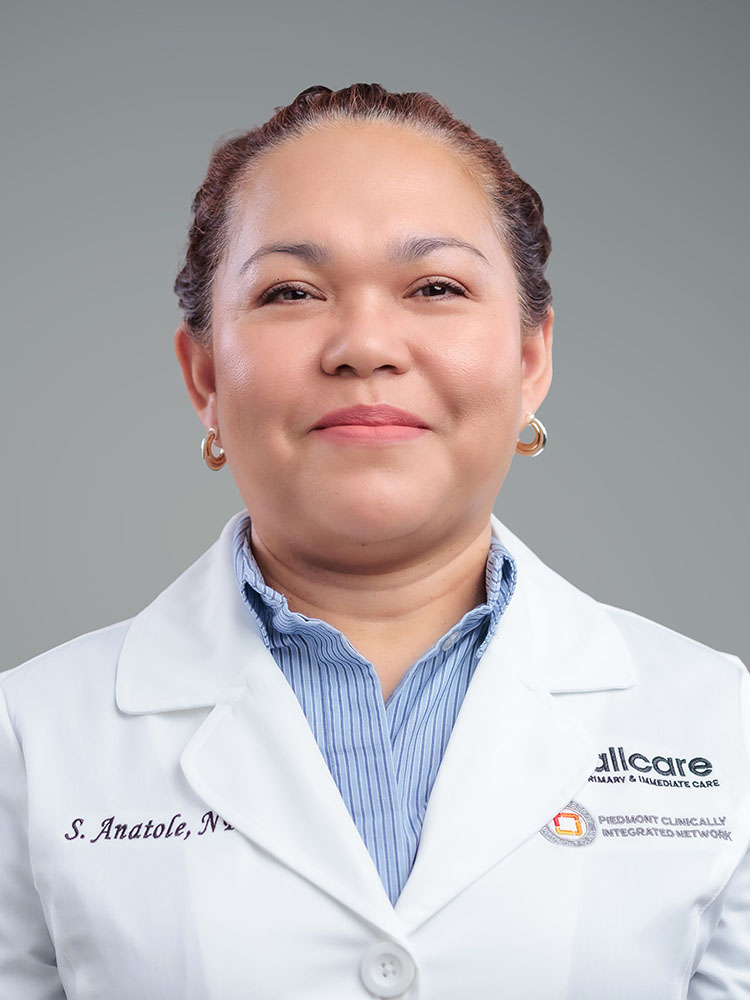
Sherlyne Anatole
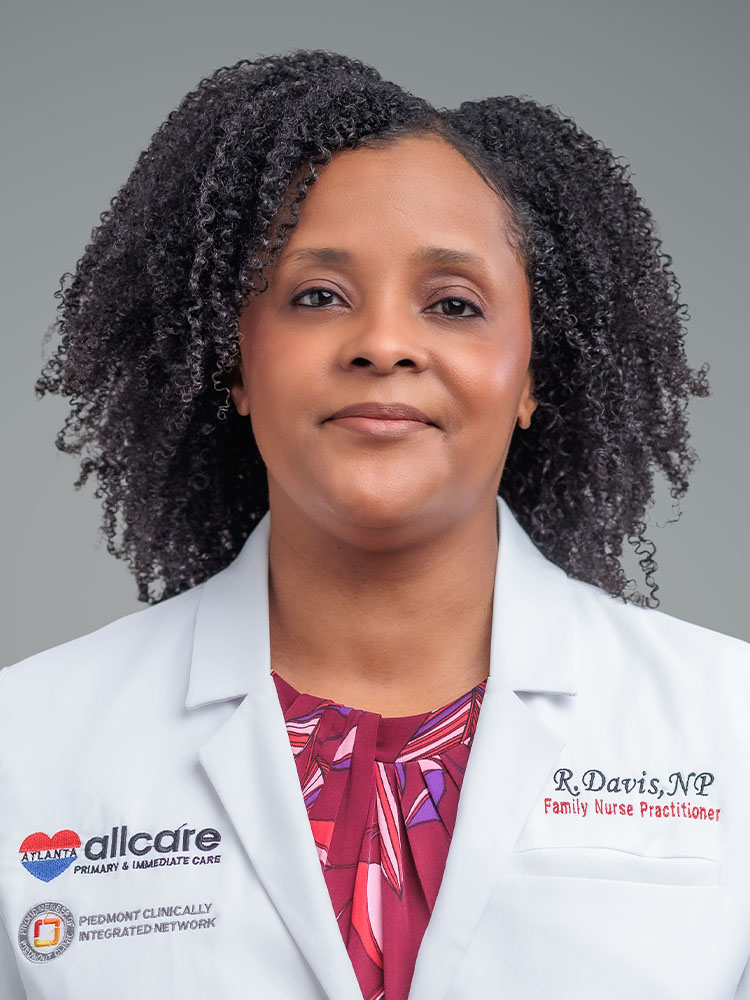
Regina Davis

FAQ
Common questions about asthma
When should I see a doctor about asthma?
See a provider if you cough or wheeze for more than a few days, get winded during everyday activities, wake up short of breath, or have asthma that medication isn't controlling. If you have a severe attack with trouble breathing, chest pain, or blue lips, call 911.
What causes asthma?
Asthma comes from a mix of genetics and environment. Common triggers include allergens like pollen, dust, and pet dander, plus smoke, air pollution, respiratory infections, cold air, exercise, and stress. Knowing your triggers is key to keeping symptoms controlled, and we can help you build a plan.
What is asthma?
Asthma is a chronic lung condition that inflames and narrows your airways, making it harder to breathe. Common signs are shortness of breath, wheezing, chest tightness, and a cough that flares with colds. It's very manageable with the right plan. No referral needed, and same-day visits are available.
Can asthma get worse with age?
Asthma that is not properly managed can worsen as you get older. Without proper management, your lung function can weaken, making asthma attacks more frequent, severe, and difficult to control. However, with regular preventive treatment, you may be able to keep your asthma from worsening and preserve your lung function.
What should I do if I have an asthma attack?
If you think you are having an asthma attack, follow these steps: Sit up straight and stay calm. Staying calm helps to keep your chest muscles from tightening up and may make it easier to breathe. Take slow, deep breaths. Use your rescue inhaler if you have one. If you are near a trigger, like smoke or a work chemical, move to a cooler, more ventilated space. If your rescue inhaler doesn’t work after a few puffs, you are having trouble breathing or talking, or if your fingernails or lips are turning blue, call 911 or seek immediate emergency medical attention.
Is asthma curable?
No, asthma is not curable, but it can be effectively managed. With proper treatment and lifestyle adjustments, many people with asthma can control their symptoms and lead normal, active lives. Medications, such as asthma inhaler, and avoiding triggers help reduce the frequency and severity of asthma attacks. Regular monitoring by a primary care provider is essential to manage the condition long-term.
Can you prevent asthma?
Asthma is a chronic condition that cannot be prevented. However, by working with your doctor, you can create a treatment plan to help manage your symptoms and prevent a life-threatening asthma attack. Other precautions you can take include: Staying up-to-date on respiratory vaccines Identifying and avoiding triggers Taking your medications Quitting smoking Recognizing the signs of an asthma attack
How does asthma affect the respiratory system?
Asthma affects the respiratory system by causing inflammation and narrowing of the airways, which makes it harder to breathe. Here’s how it impacts the system: Airway Inflammation: The lining of the airways becomes swollen and irritated, making them more sensitive to triggers. Bronchoconstriction: The muscles around the airways tighten, causing the air passages to narrow. Excess Mucus Production: The airways produce more mucus, which can block airflow and make breathing difficult. Reduced Airflow: The combination of inflammation, bronchoconstriction, and mucus buildup restricts airflow in and out of the lungs. These effects lead to symptoms like wheezing, shortness of breath, chest tightness, and coughing, especially during an asthma attack.
Always Nearby
15 Georgia clinics treating asthma
Braselton
1070 Braselton Village Parkway, Suite 100, Braselton, GA 30517
Trusted by thousands of customers
Have had a great experience so far with Dr Payal, she is very informative and friendly
Gavin
Duluth
Tara Brayboy is Wonderful! She is professional, thorough, kind, caring, and helpful.
Melinda
Northside
The staff was super sweet and very quick! She was super sweet and thorough.
Hayle
Dallas
Doctors are experienced and knowledgeable but I don't like to have to make appointments for required refills
Okeefe
Northside


Get care today
Same-day care at 15 Atlanta locations. Walk in, book online, or start a virtual visit.
Use most insurance, self-pay, HSA, or FSA
Board-certified MD, PA, or NP every visit
Follow-up care at any location, no wait
Most major plans accepted: BlueCross, Aetna, Cigna, UnitedHealthcare, Humana, Kaiser, and more.