
PCOS Treatment in Georgia
PCOS diagnosis through lab work and symptom evaluation at 15 Georgia clinics. Hormonal treatment and metabolic health management.

Most Insurance Accepted
FSA & HSA Accepted
Self-pay available





+ Others
Comprehensive PCOS care nearby
PCOS is diagnosed through lab work and symptom evaluation, then managed with hormonal and metabolic treatment, at AllCare's 15 Georgia clinics, with no OB/GYN referral needed. Book an appointment; self-pay starts at $140.

Ovary Ultrasound
Shows ovary size, cysts, and the thickness of your uterine lining.
Physical Exam
A pelvic exam checks for enlarged ovaries and other PCOS signs.
Thyroid function tests
Rule out thyroid problems as the cause of irregular periods.
PCOS Blood Tests
Measure hormones, cholesterol, and glucose linked to PCOS.
PCOS Medications
Regulate your cycle, ease acne and hair changes, and lower cancer risk.

what to expect
PCOS diagnosis and treatment without the wait
Review Your History
Run The Labs
Manage The Plan
15 Georgia clinics treating PCOS
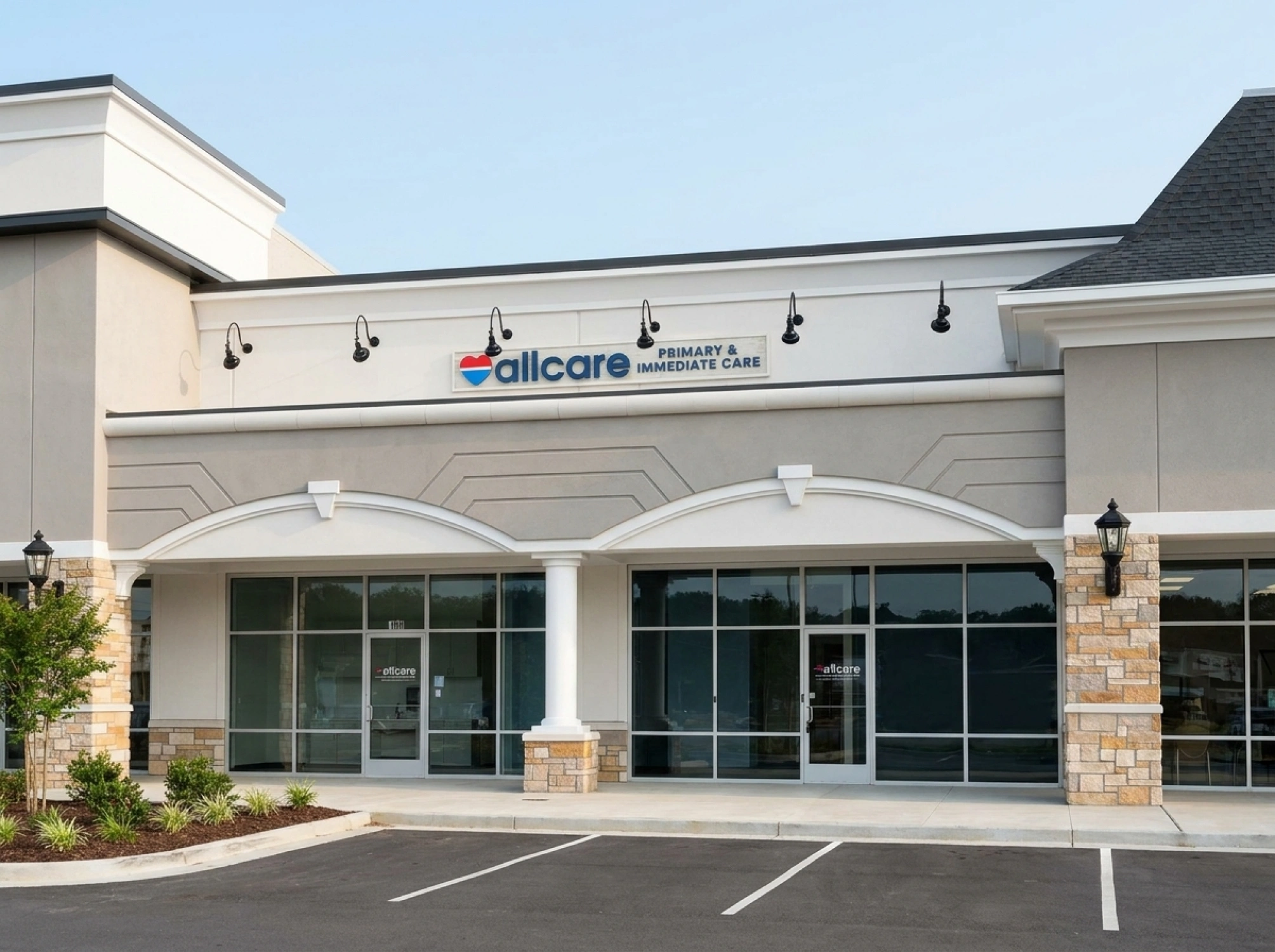
Braselton
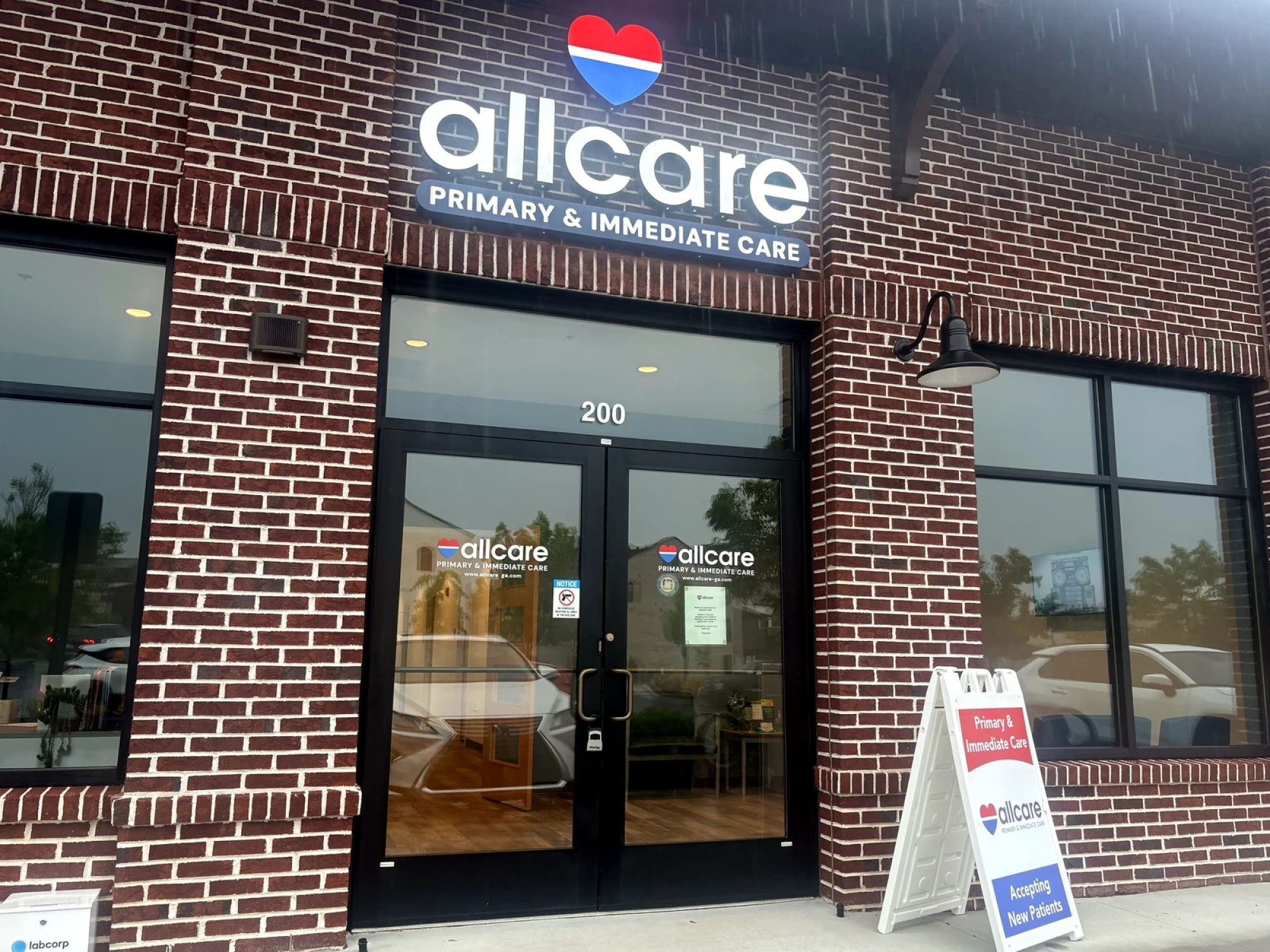
Halcyon
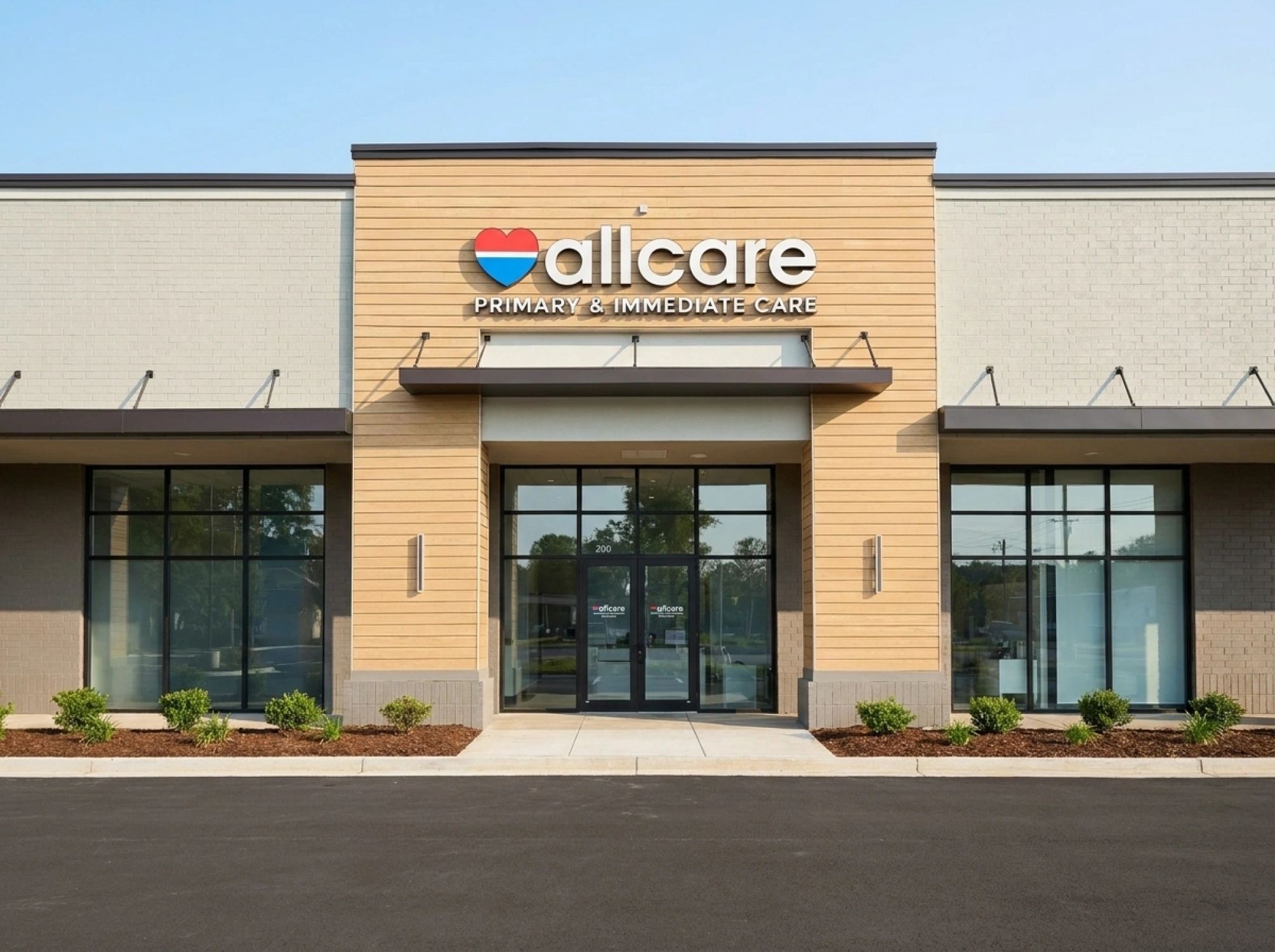
Duluth
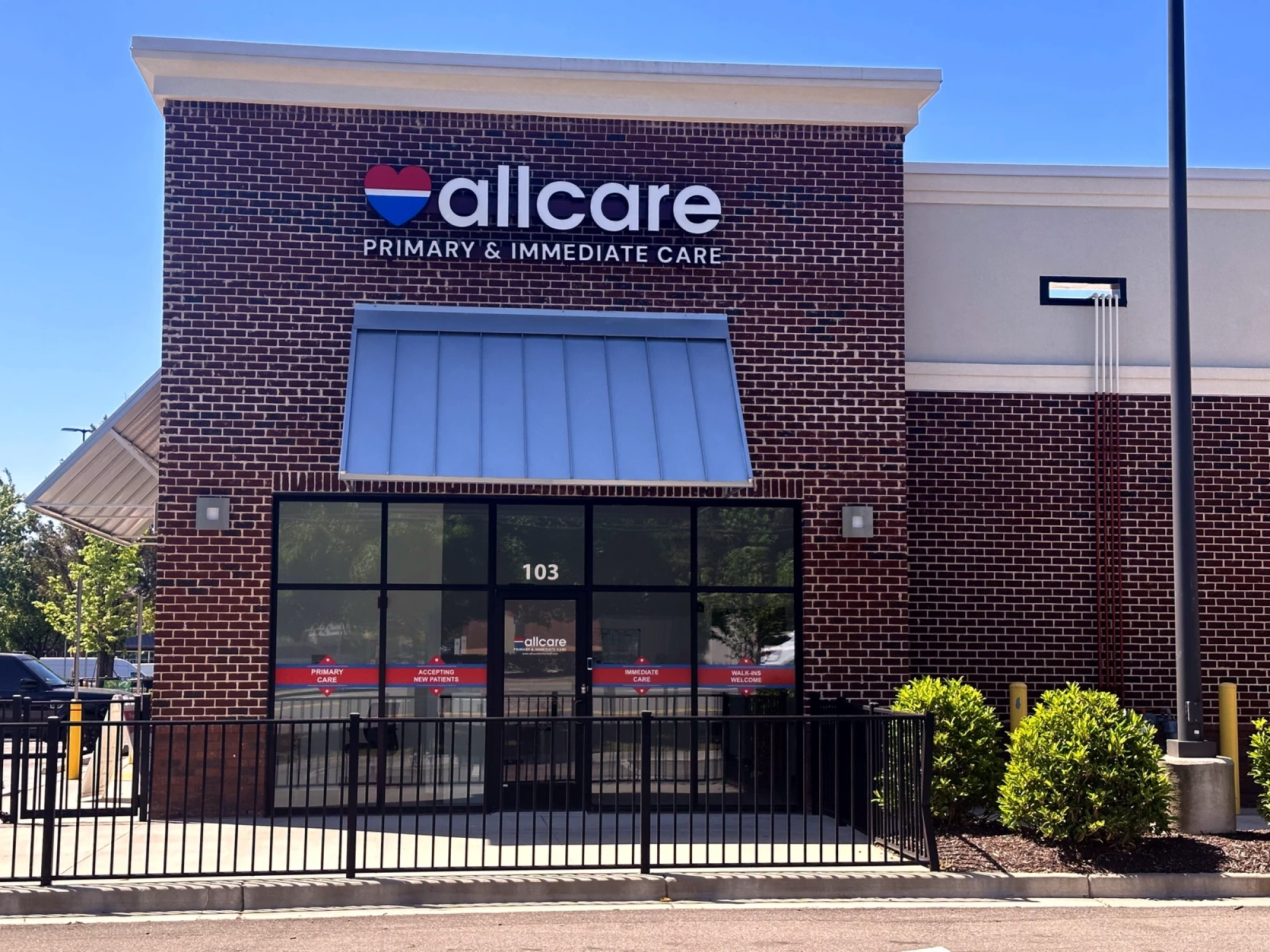
Hamilton Ridge
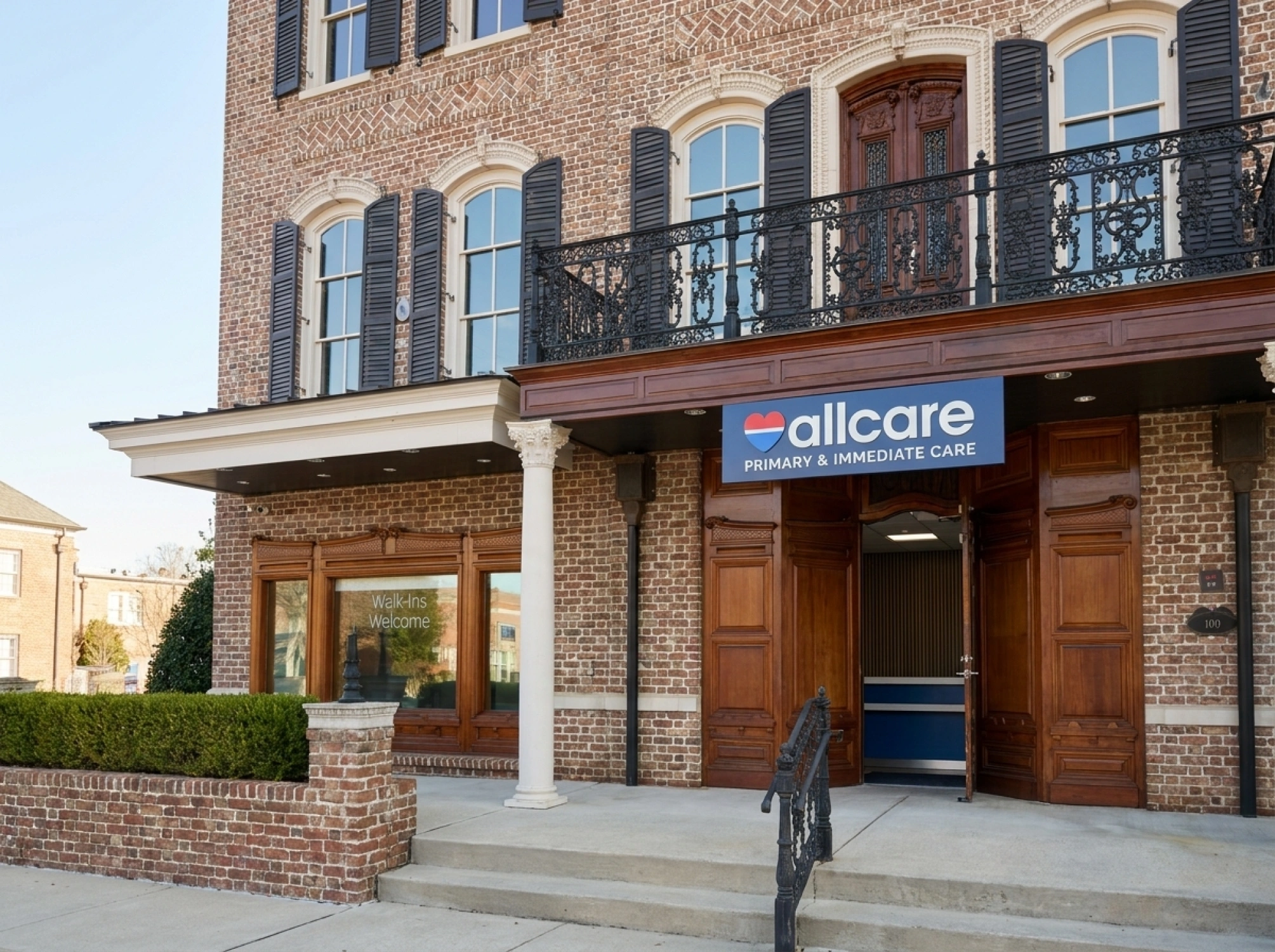
Ellard Village

Peachtree Plaza

Tyrone
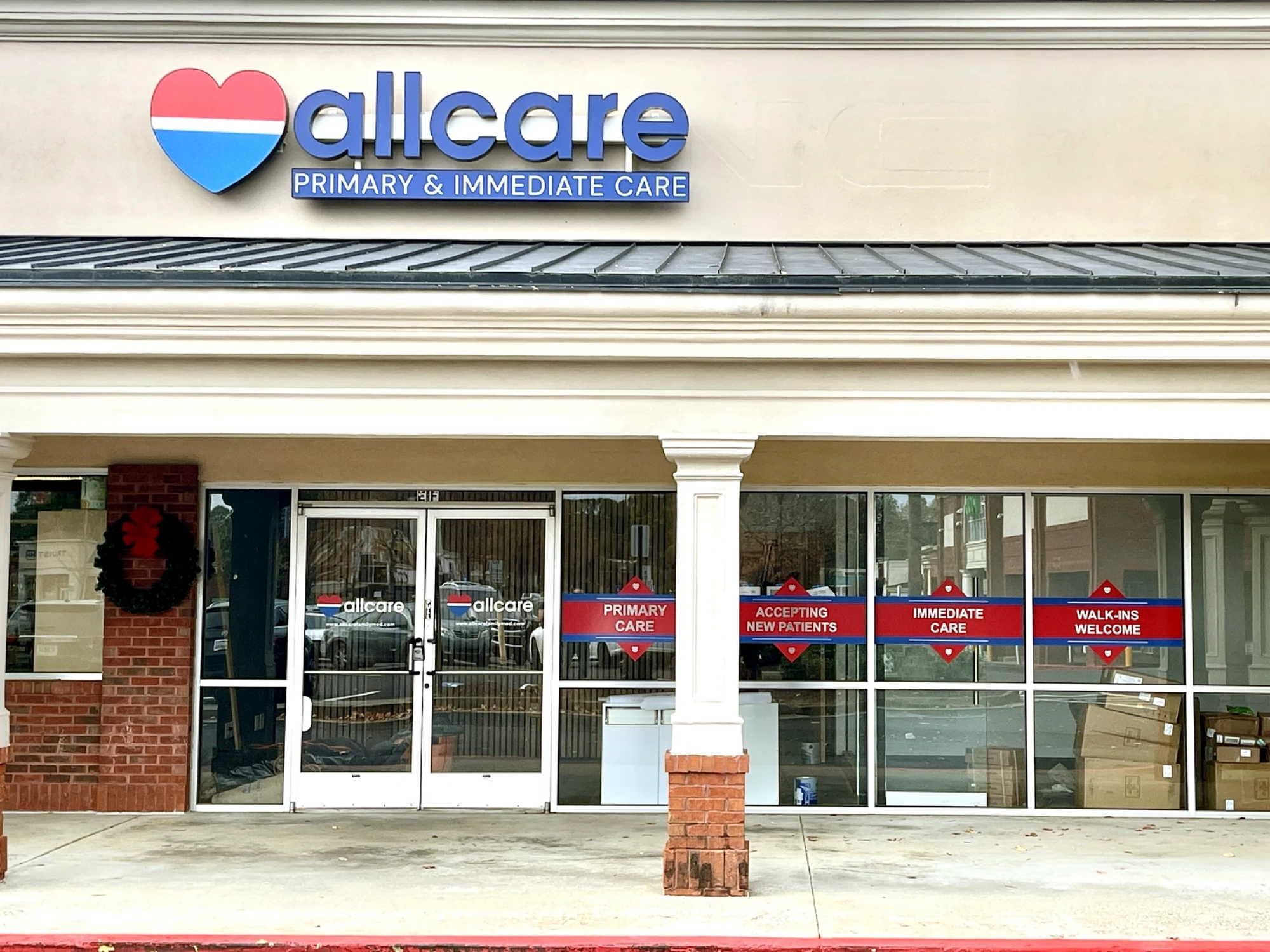
Smyrna

Alpharetta
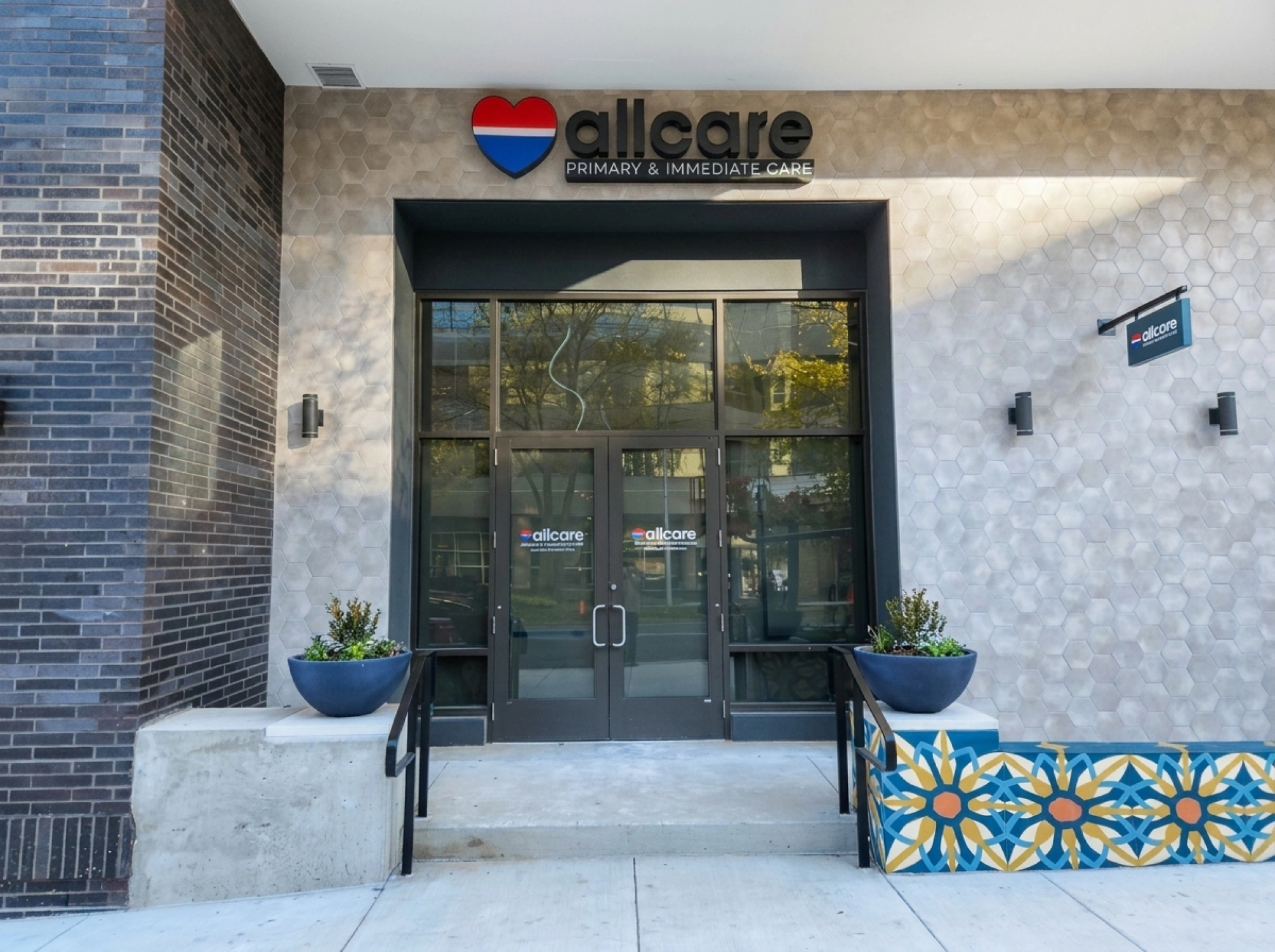
Decatur
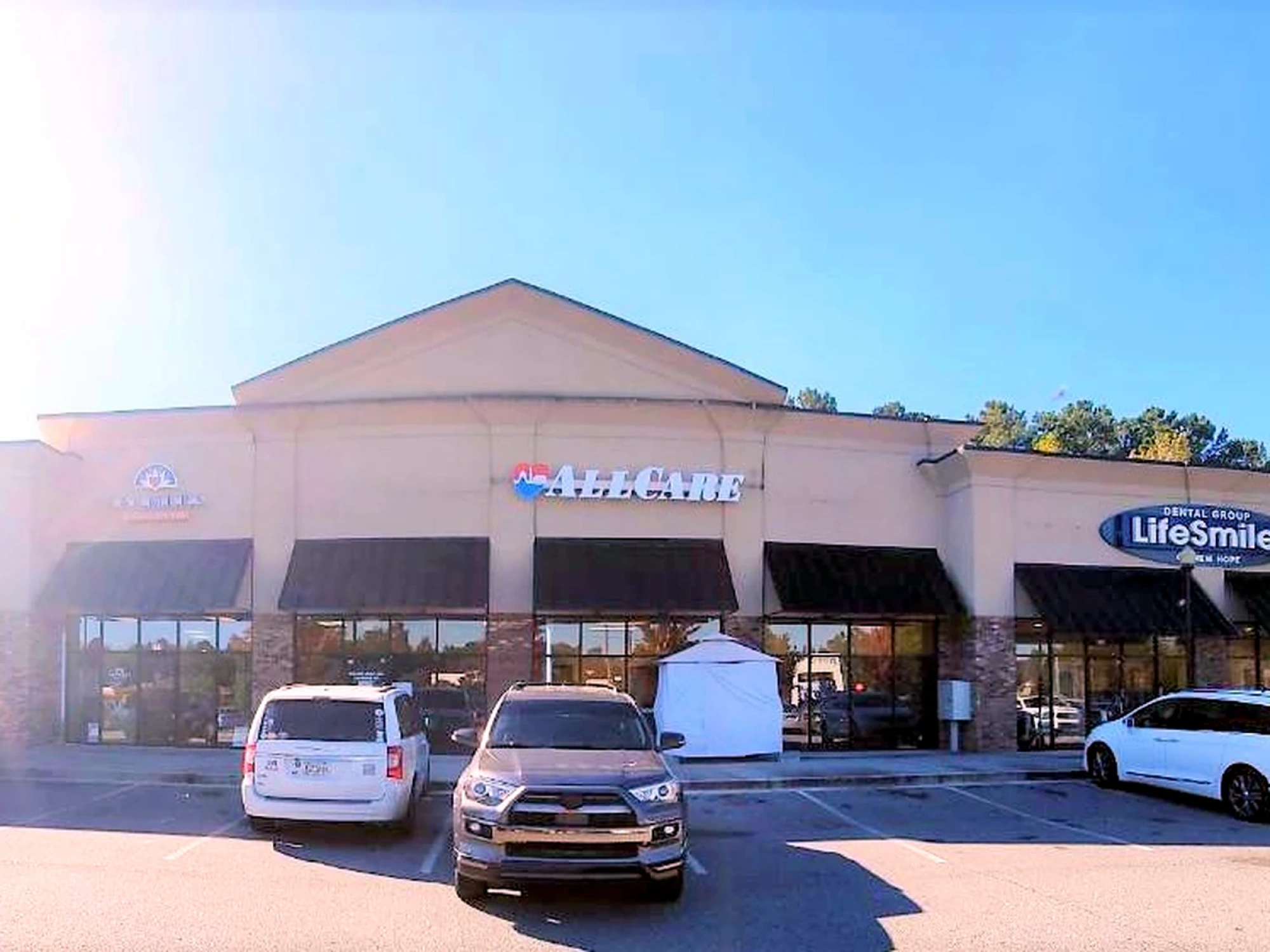
Dallas
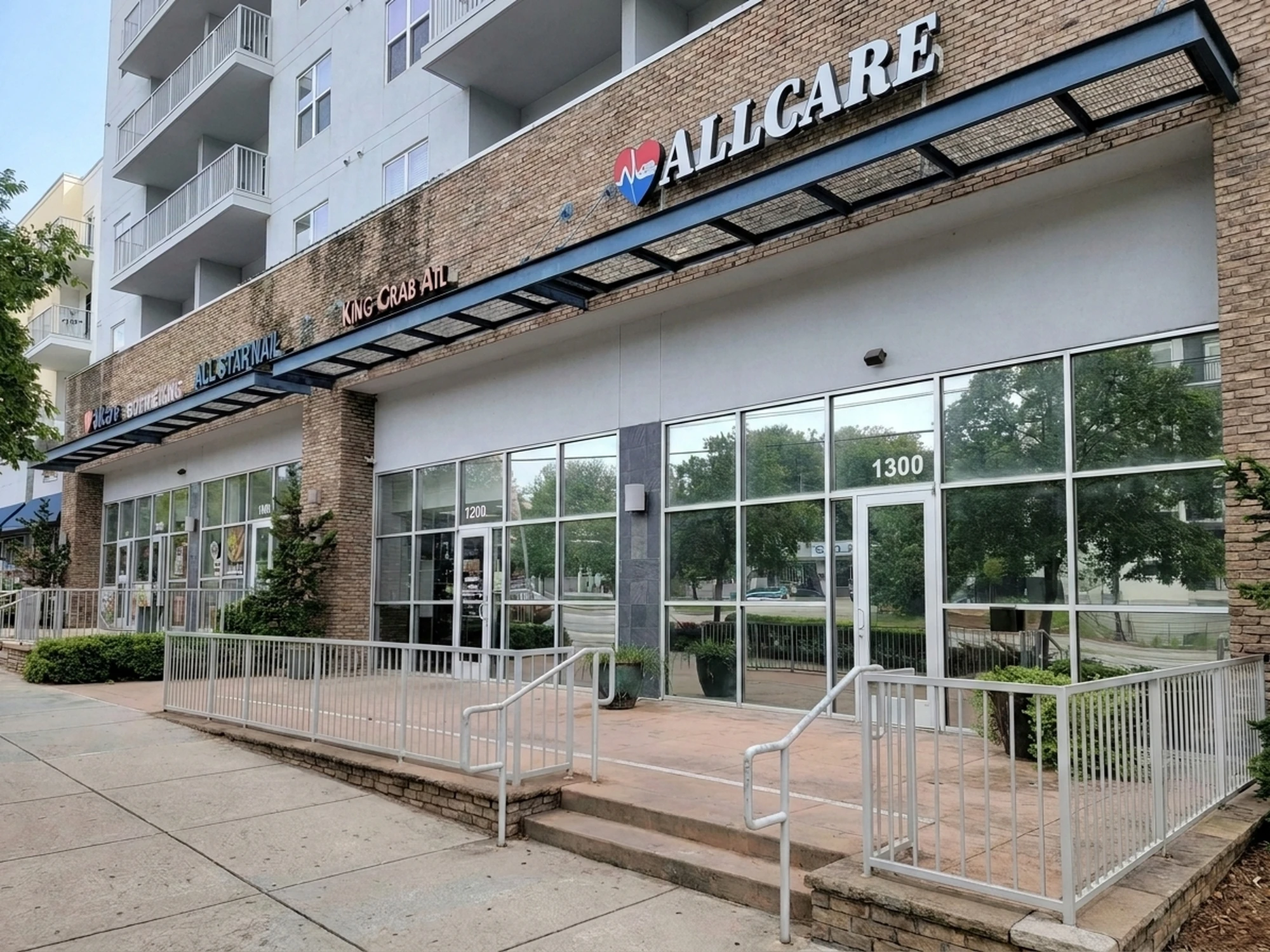
Northside
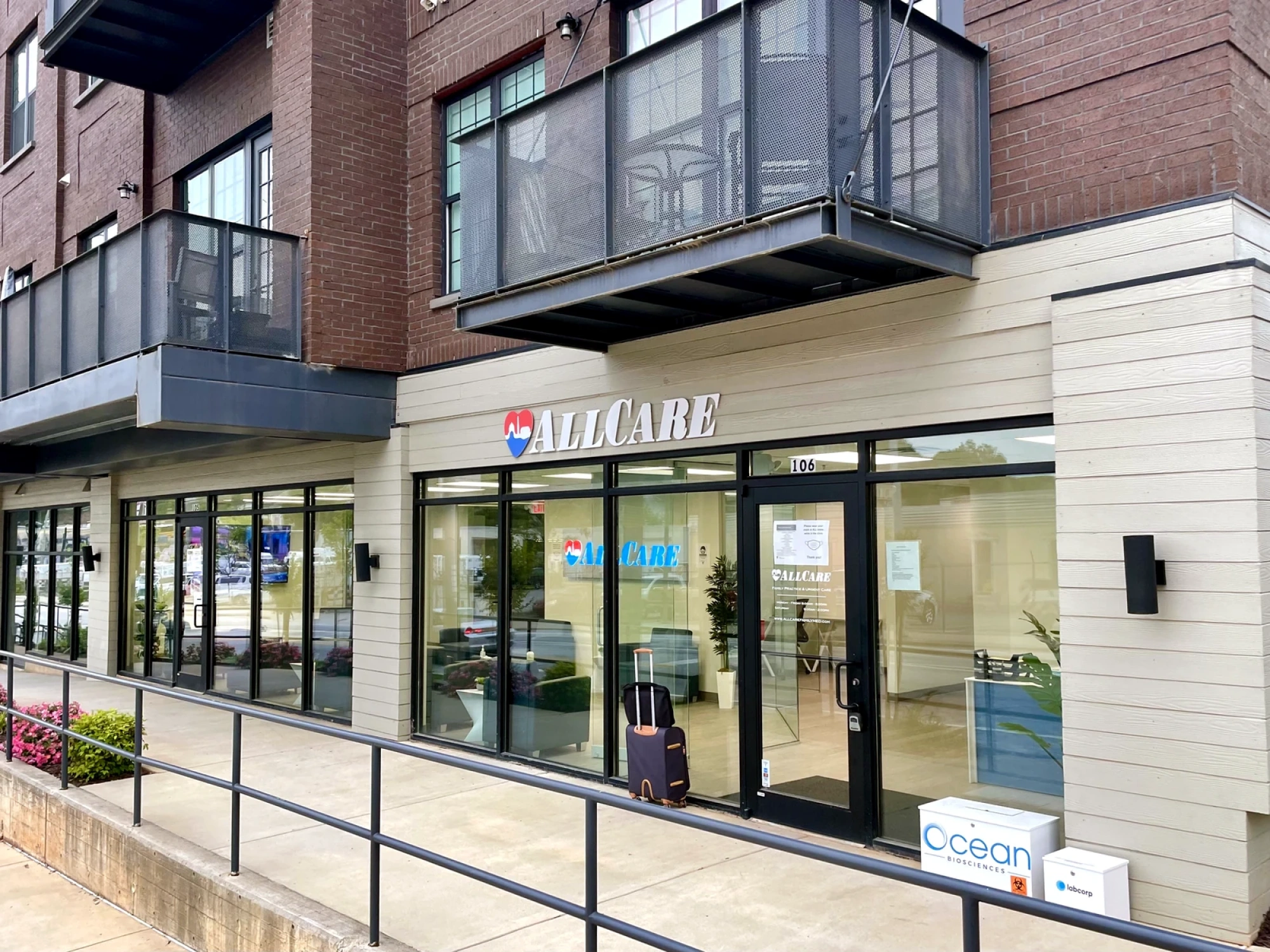
Reynoldstown
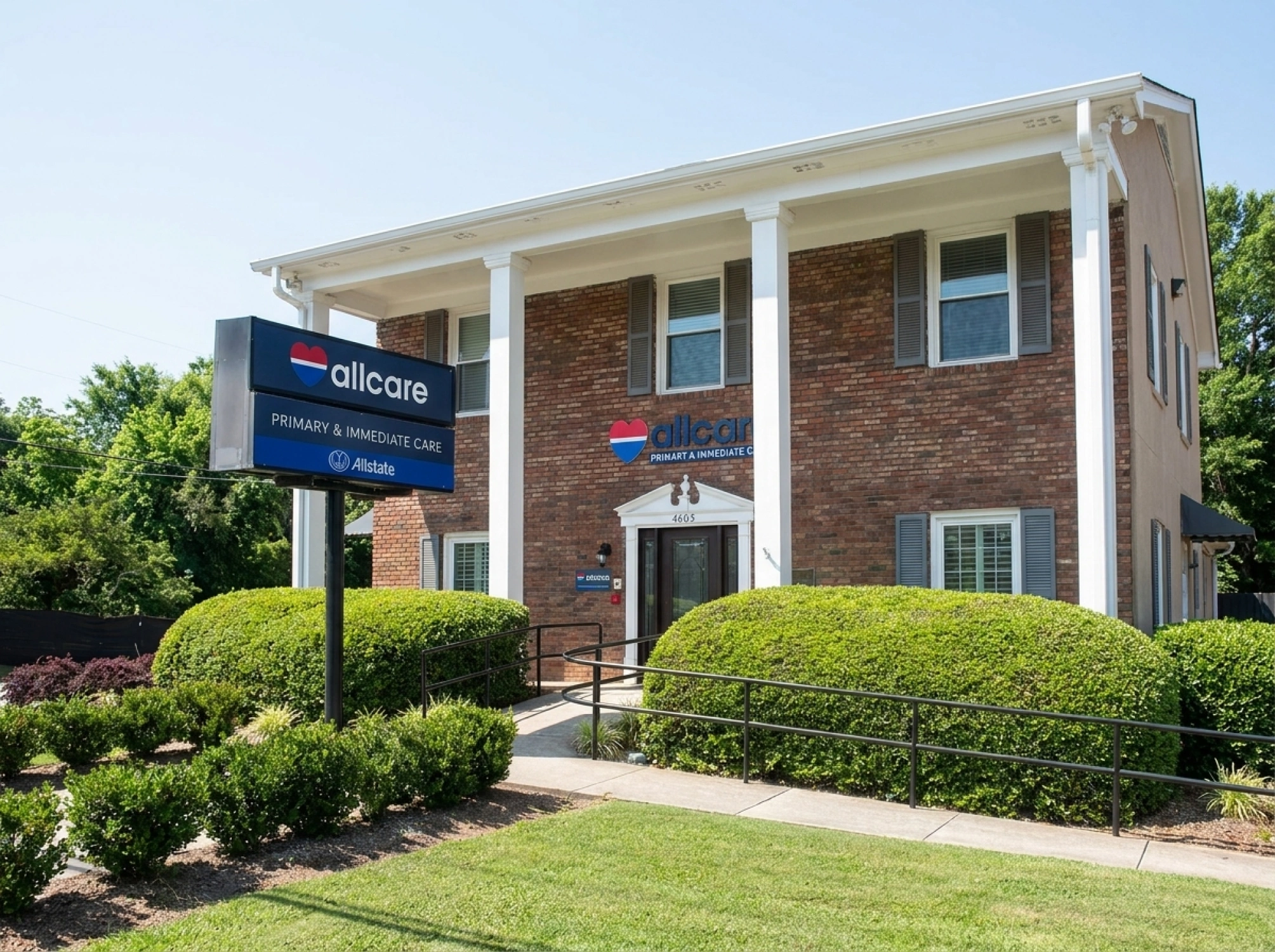
Buckhead

Midtown
Help from qualified providers & specialists
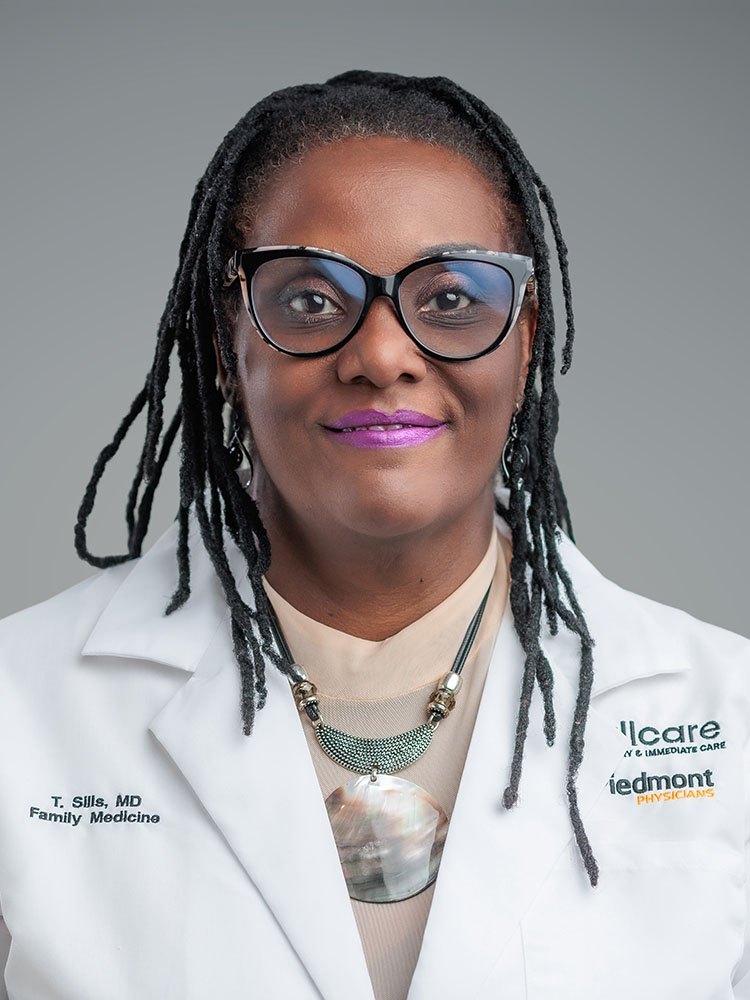
Tracey Sills
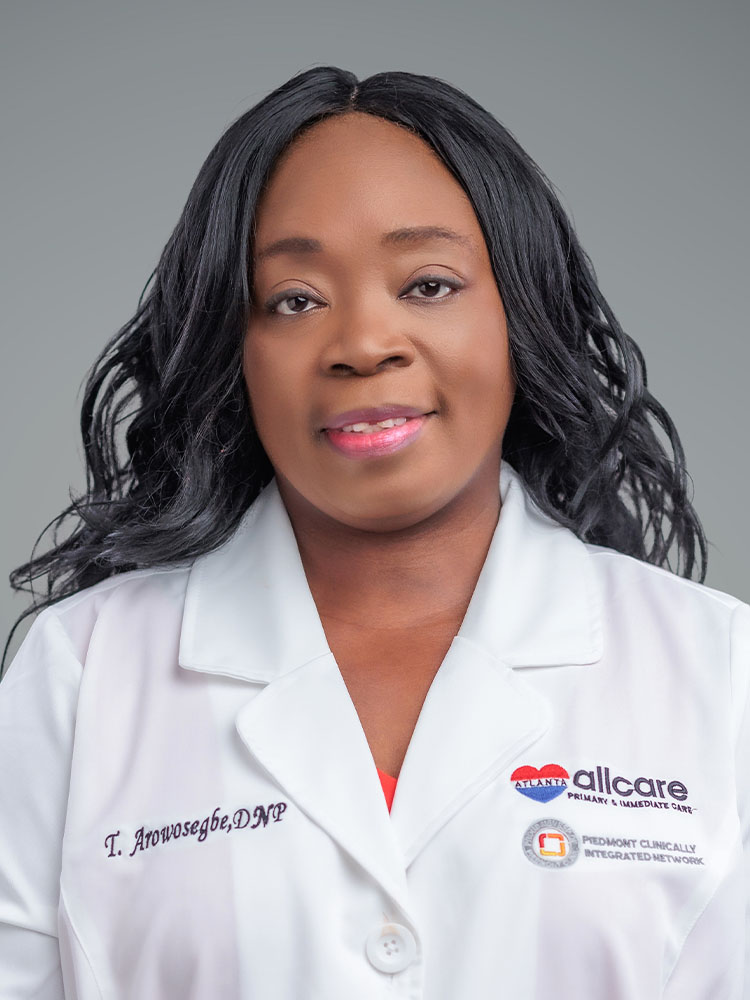
Tolu Arowosegbe
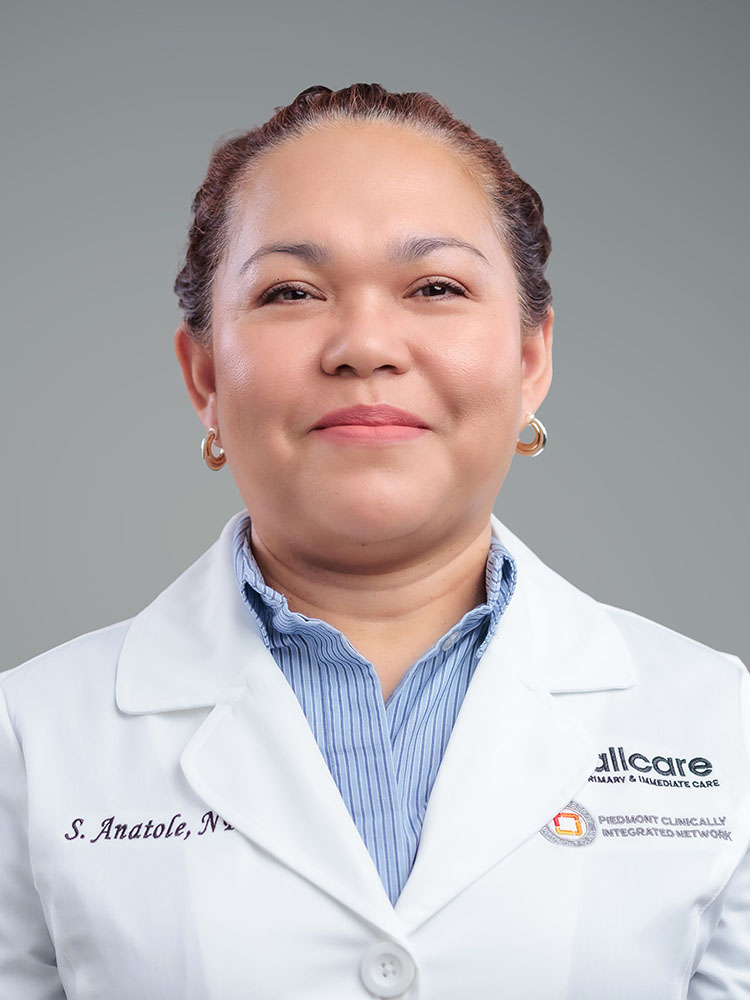
Sherlyne Anatole
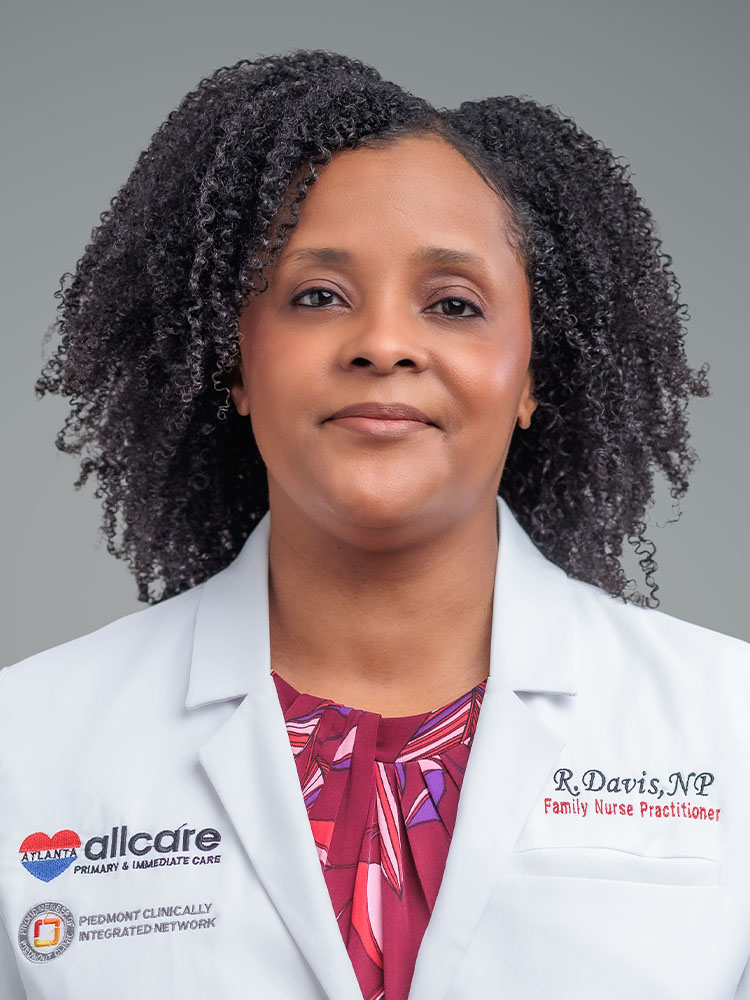
Regina Davis

FAQ
Common questions about PCOS
What causes PCOS?
The exact cause isn't fully understood, but a few factors play a role. Insulin resistance and excess androgens (male hormones) can throw off ovulation, and PCOS tends to run in families. Being overweight and low-grade inflammation can add to it. Together these create a cycle of hormonal imbalance that affects ovulation, metabolism, and overall health.
How can you get pregnant with PCOS?
Getting pregnant with PCOS can be challenging, but many people with PCOS successfully conceive with the right approach. Here are some common strategies to help manage fertility and improve the chances of pregnancy: Lifestyle Changes : Weight loss through diet and exercise can help regulate ovulation and boost fertility. Ovulation Tracking : Monitoring ovulation using predictor kits or ultrasounds can help time intercourse or treatments effectively. Fertility Treatments : Various assisted reproductive technologies can be considered if other methods don’t work. If you’re struggling with PCOS, schedule an appointment at AllCare Georgia to explore effective PCOS treatment for pregnancy built for your needs.
Can PCOS be cured?
No. Currently, there is no cure for PCOS. While PCOS cannot be completely cured, many individuals can alleviate symptoms and improve their quality of life with consistent management. Medications may help regulate menstrual cycles, reduce excessive hair growth, and address insulin resistance. Incorporating healthy dietary choices, regular physical activity, and stress management can also significantly impact symptom control and overall health. Regular check-ups with healthcare providers are essential for monitoring the condition and adjusting treatment plans as needed. With proper management, individuals with PCOS can lead healthy lives and minimize long-term health risks.
Can PCOS Cause Weight Gain?
Yes, Polycystic Ovary Syndrome (PCOS) can lead to weight gain due to hormonal imbalances, particularly elevated insulin levels, which can increase appetite and promote fat storage, especially around the abdomen. Individuals with PCOS may also experience changes in metabolism and fatigue, making it harder to maintain a healthy weight. Managing weight is crucial, as even a small weight loss can improve symptoms, regulate menstrual cycles, and enhance fertility.
How is PCOS diagnosed?
There is no single test that can diagnose PCOS. In fact, a diagnosis is often made by your medical history, including: Irregular menstrual cycles since puberty (while not on hormones, like birth control) Excessive hair growth or elevated testosterone blood levels Acne Sacs on your ovaries
Is PCOS an autoimmune disease?
No, Polycystic Ovary Syndrome (PCOS) is not classified as an autoimmune disease. PCOS is primarily a hormonal disorder that affects the ovaries and reproductive system. While it shares some symptoms with autoimmune conditions, such as chronic inflammation and insulin resistance, it does not involve the immune system attacking the body’s own tissues, which is the hallmark of autoimmune diseases. However, research suggests that people with PCOS may have an increased risk of developing certain autoimmune conditions, such as Hashimoto’s thyroiditis, but PCOS itself is not considered autoimmune in nature.
Always Nearby
15 Georgia clinics treating PCOS
Braselton
1070 Braselton Village Parkway, Suite 100, Braselton, GA 30517
Trusted by thousands of customers
After being in Atlanta for 6 years, I have a home!! Love LOVE LOVE 💕 Dr.
Monica
Peachtree Plaza
My online visits with the doctors at AllCare are always quick and easy. Just what I want when I don't feel well, so I can feel better soon.
Leigh
Buckhead
Fast forward a couple of days and unfortunately wasn't able to get the medicine, out of stock. He was very friendly, I didn't have to wait long and got fully diagnosed.
Chynna
Midtown
I made an appointment and showed up early, they took me in right away. I highly recommend this place!
Ryan
Midtown


Get care today
Same-day care at 15 Atlanta locations. Walk in, book online, or start a virtual visit.
Use most insurance, self-pay, HSA, or FSA
Board-certified MD, PA, or NP every visit
Follow-up care at any location, no wait
Most major plans accepted: BlueCross, Aetna, Cigna, UnitedHealthcare, Humana, Kaiser, and more.