
Athlete’s Foot Treatment in Georgia
Same-day athlete's foot diagnosis and antifungal treatment at 15 Georgia walk-in clinics. Get prescription relief before it spreads.
Most Insurance Accepted
FSA & HSA Accepted
Self-pay available





+ Others
Comprehensive athlete’s foot treatment nearby
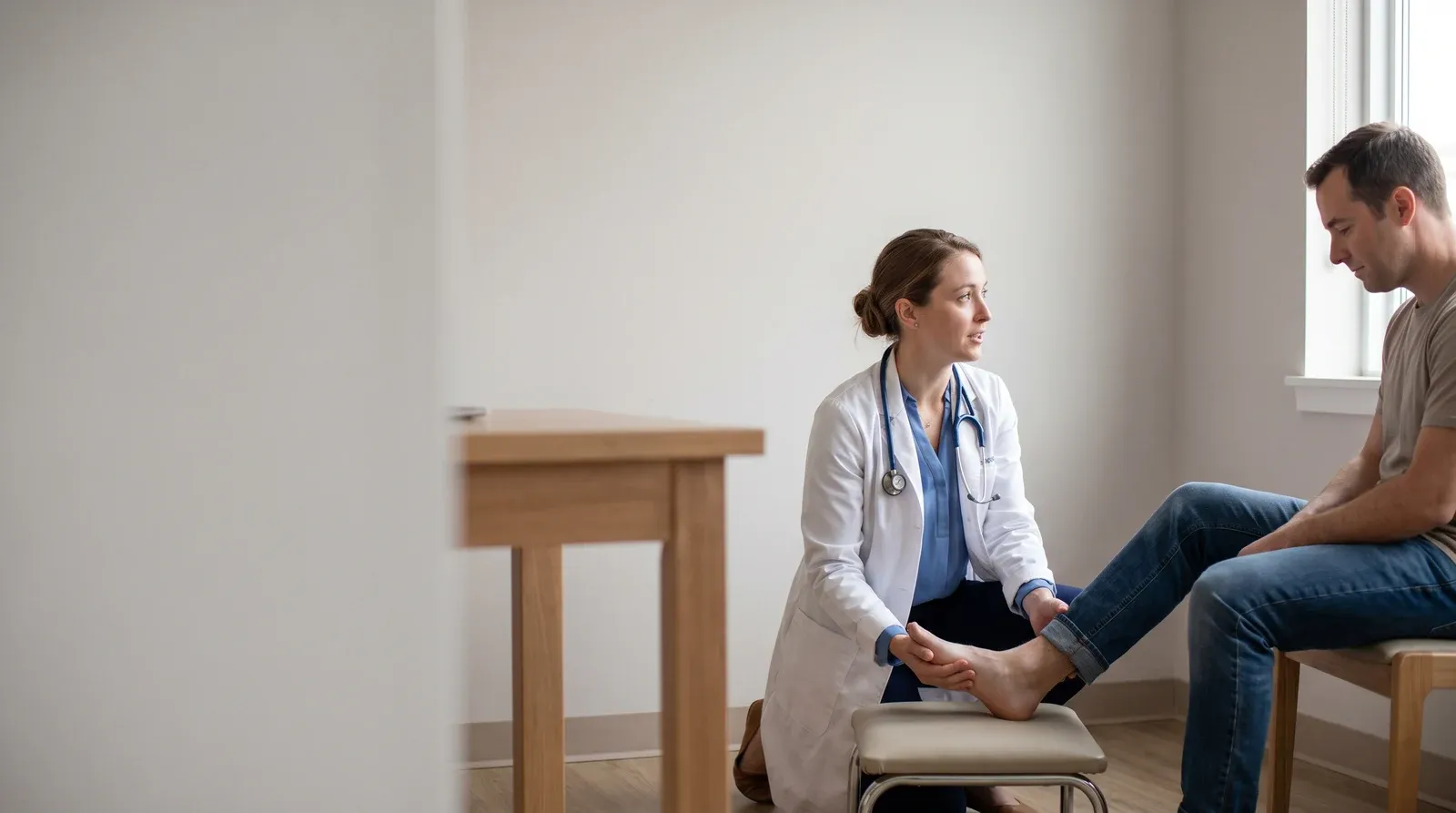
Athlete's foot is diagnosed and treated with prescription antifungal medication the same day at AllCare's 15 Georgia walk-in clinics when over-the-counter options are not working. Walk in with no appointment, and self-pay visits start at $140.

Athlete's Foot Medications
OTC or prescription antifungal creams, plus antibiotics if it's infected.
Athlete’s Foot Infection Education
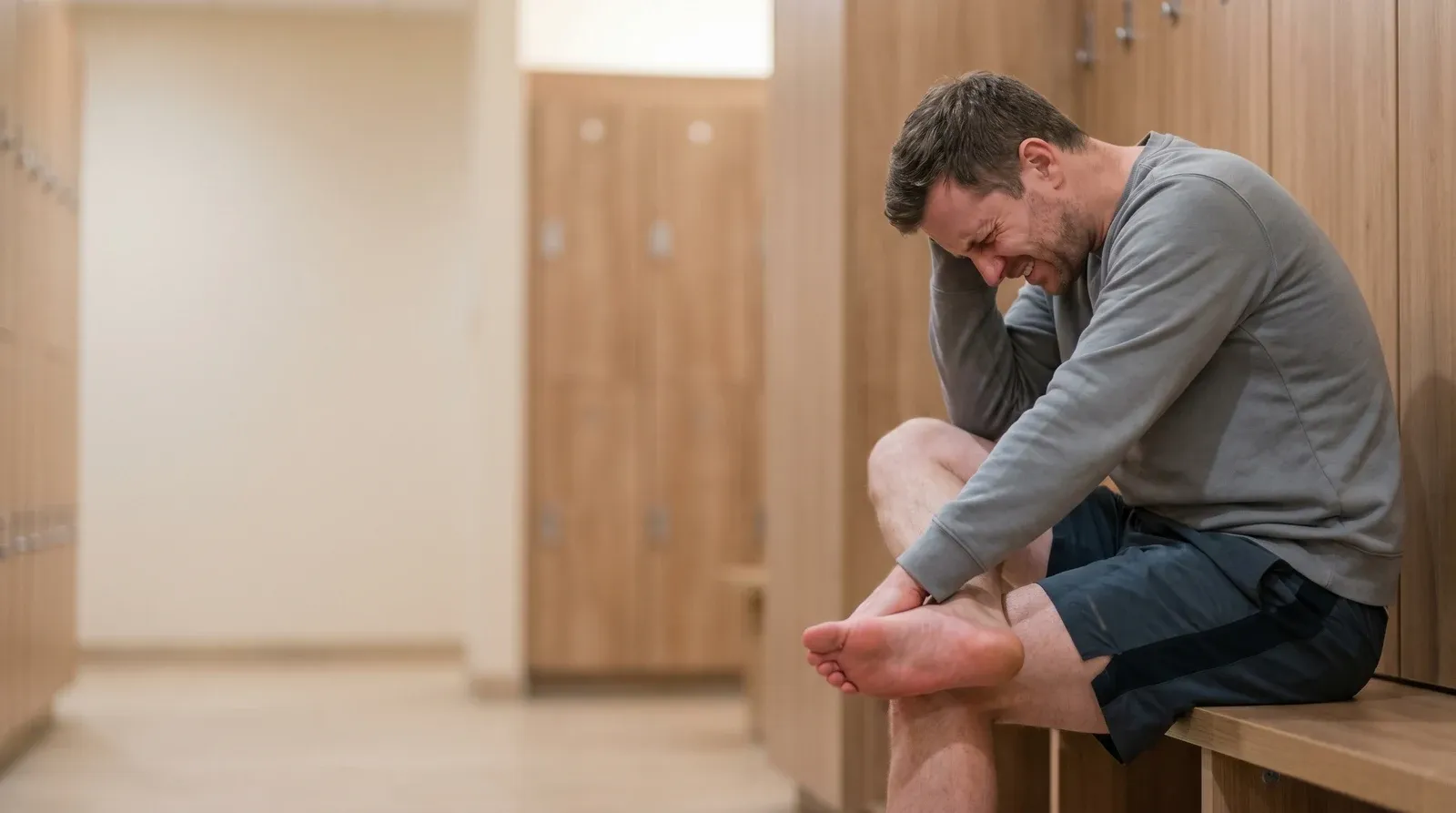
Self-care and hygiene tips to clear the infection and stop it coming back.
Laboratory Testing
A skin scraping, culture, or biopsy identifies the fungus behind your rash.
Medical Examination and Evaluation
We review your history and examine your foot to decide if testing is needed.
what to expect
Athlete’s foot treatment without the wait
Walk Right In
Confirm The Diagnosis
Get Treated
15 urgent care clinics treating athlete’s foot

Braselton
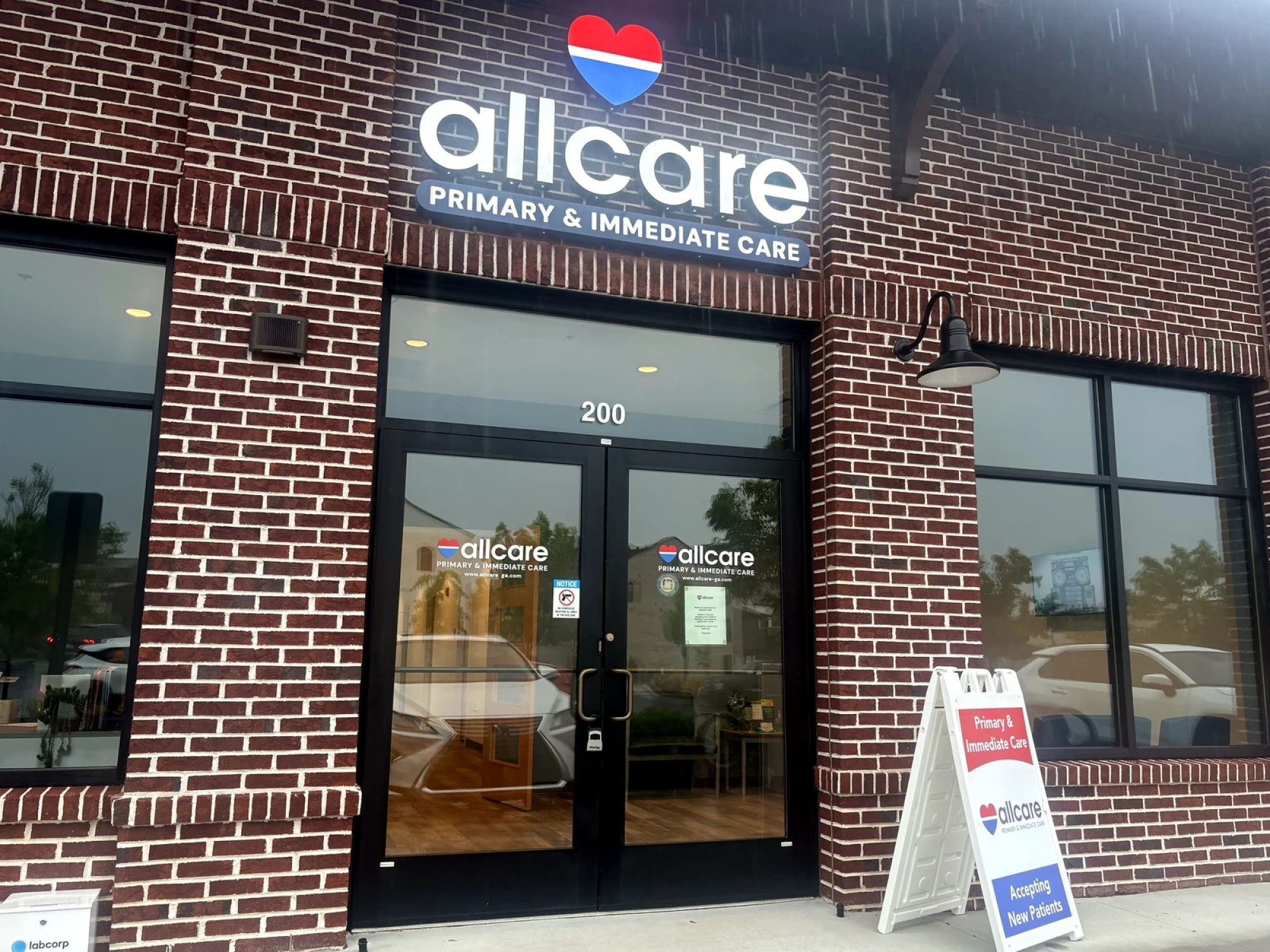
Halcyon

Duluth

Hamilton Ridge
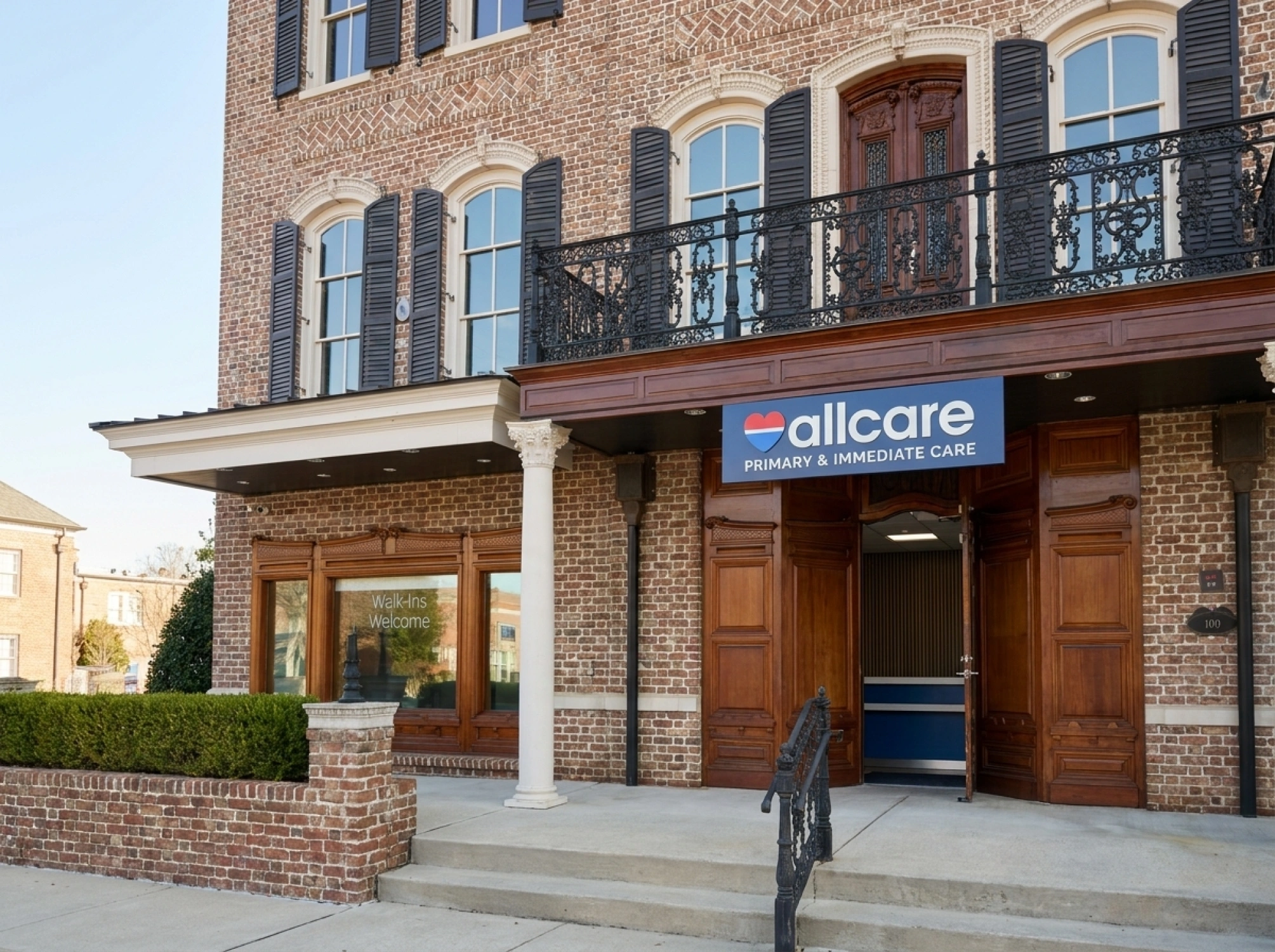
Ellard Village

Peachtree Plaza

Tyrone

Smyrna

Alpharetta

Decatur

Dallas
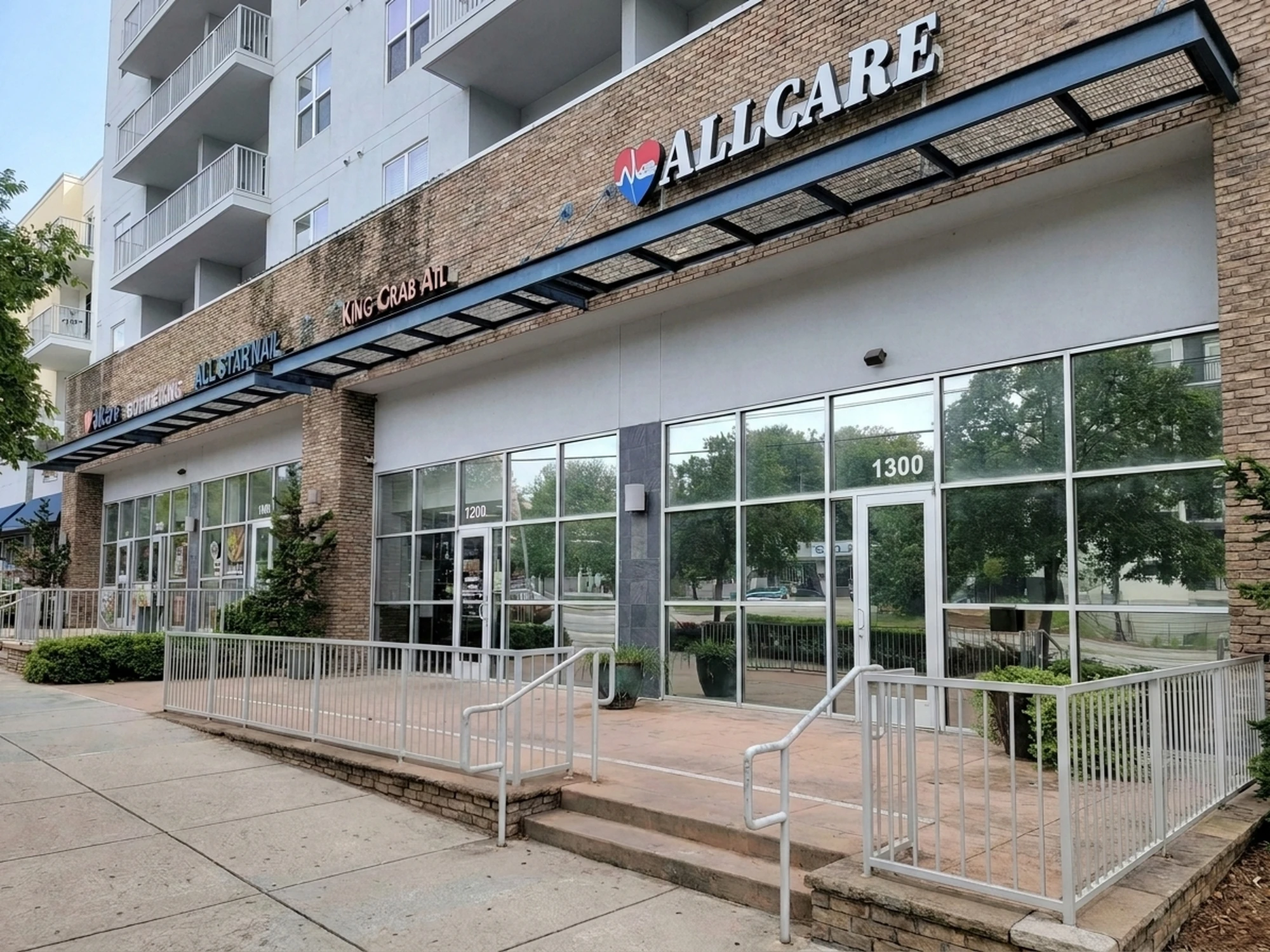
Northside
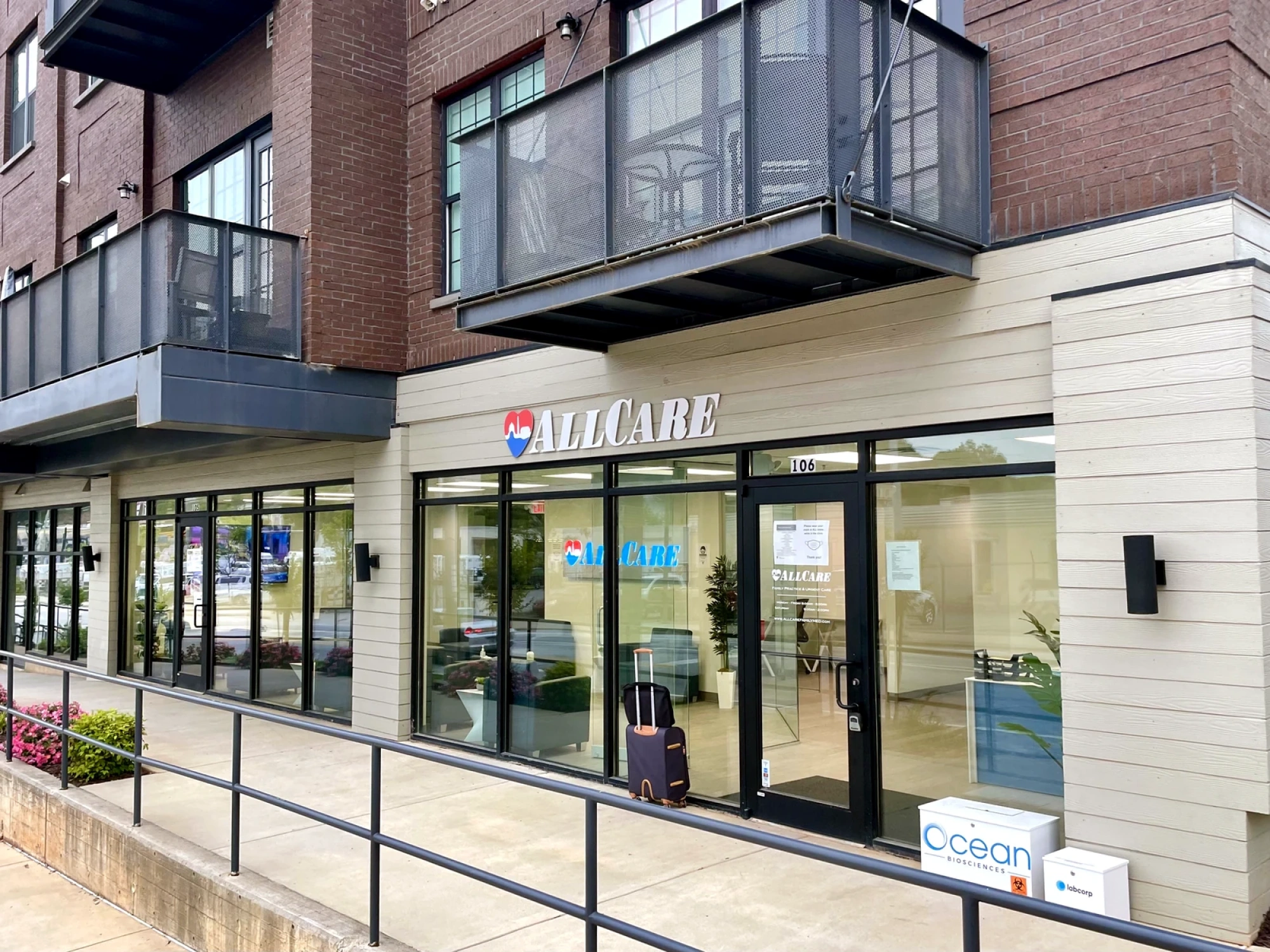
Reynoldstown
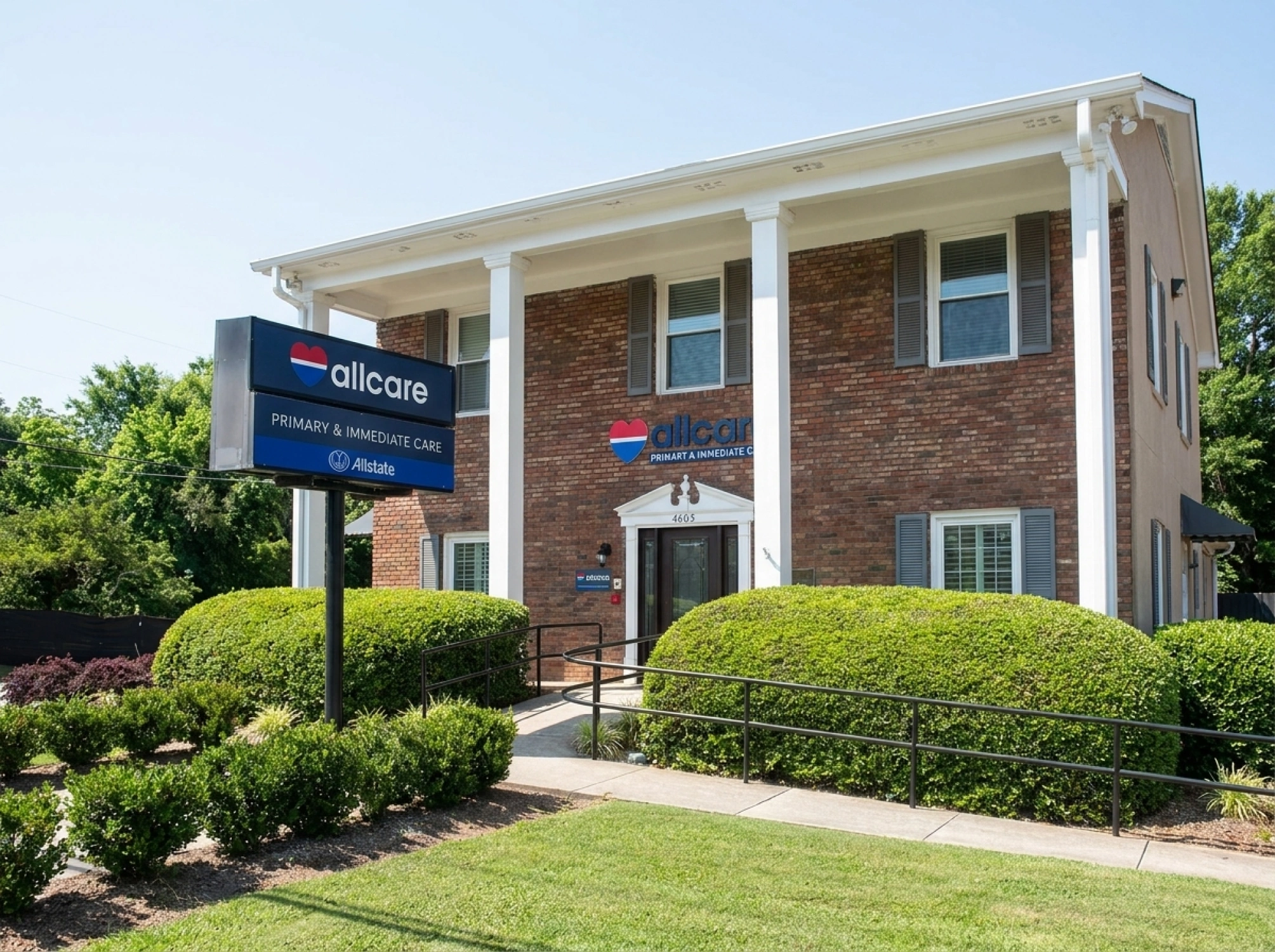
Buckhead

Midtown
Help from qualified providers & specialists

Tracey Sills

Tolu Arowosegbe

Sherlyne Anatole

Regina Davis

FAQ
Common questions about athlete’s foot
What causes athlete's foot?
Athlete's foot comes from a group of fungi that also cause ringworm and jock itch. You can pick it up in public places like locker rooms, or by sharing towels, socks, or shoes with someone who has it. The fungus thrives in warm, damp spots, so sweaty, closed-in shoes give it room to grow.
What are the types of athlete's foot?
Athlete's foot shows up in a few forms depending on where it sits. Toe web infection is the most common, between the toes with itching and scaly skin. Moccasin infection thickens and cracks the sole and heel, vesicular brings painful blisters, and ulcerative is the rarest and most severe with open, oozing blisters.
Can athlete’s foot be cured?
If you were wondering, yes, an athlete’s foot can be effectively cured with proper treatment. The condition is caused by a fungal infection, and several approaches can help eradicate it. By adhering to the mentioned treatments and preventive measures, athlete’s foot can be cured, and recurrence can be minimized. If over-the-counter treatments are ineffective or if the infection is severe, consult a healthcare provider for further evaluation and treatment.
Is there anything I can do to prevent athlete’s foot?
There are some steps to take to reduce your risk of getting athlete’s foot, including: Proper foot hygiene like washing your feet and the skin between your toes with an antibacterial soap. Drying your feet, and the skin between your toes after showering or swimming. Using talcum powder or an antifungal powder to absorb moisture. Let your shoes dry out at least 24 hours before wearing again Avoid wearing rubber or synthetic shoes and polyester socks for long periods of time. Wearing sandals or flip flops in communal areas like locker rooms, saunas, and showers Not sharing, towels, shoes, or socks Talk with your doctor if you are taking a antibiotics or other medications that might kill the good bacteria that normally control athlete’s foot fungus.
Can I still exercise or swim if I have athlete’s foot?
Athlete’s foot shouldn’t stop you from working out, but you should take precautions. Including wearing cotton socks or shoes in changing rooms and be sure to always clean and dry your feet afterward and wash your socks in hot water as an added precaution. You should avoid swimming until your infection is clear to reduce the risk of spreading it.
What happens if I don’t treat my athlete’s foot?
While athlete’s foot isn’t dangerous, it won’t go away unless it’s treated with an antifungal medication. Untreated, athlete’s foot has the potential to spread beyond your feet to other parts of your body, including your toenails, hands, and groin. This spread can result in more widespread infections, which might require more extensive foot fungus treatment and could complicate the healing process.
Do I need to see a doctor for athlete’s foot?
While some over-the-counter medicines may relieve your athlete’s foot symptoms, it’s always a good practice to see your doctor to ensure you actually have athlete’s foot and not another skin condition that may mimic the same symptoms. Be sure to seek medical attention if you experience any of the following: If you have diabetes or an autoimmune disease like HIV. Your skin is red, purple, grey, or white, or if you are showing signs of infection including. pus or fever. Spread to other parts of your body. Causes symptoms that don’t improve even with foot fungus treatments.
Is athlete’s foot contagious?
Yes, athlete’s foot is contagious and can spread from person to person through contact with an infected person or surface. It can also spread to other parts of the body if someone touches the affected foot and another part of their body, like the hands.
Always Nearby
15 urgent care clinics treating athlete’s foot
Braselton
1070 Braselton Village Parkway, Suite 100, Braselton, GA 30517
Trusted by thousands of customers
Have had a great experience so far with Dr Payal, she is very informative and friendly
Gavin
Duluth
Tara Brayboy is Wonderful! She is professional, thorough, kind, caring, and helpful.
Melinda
Northside
The staff was super sweet and very quick! She was super sweet and thorough.
Hayle
Dallas
Doctors are experienced and knowledgeable but I don't like to have to make appointments for required refills
Okeefe
Northside


Get care today
Same-day care at 15 Atlanta locations. Walk in, book online, or start a virtual visit.
Use most insurance, self-pay, HSA, or FSA
Board-certified MD, PA, or NP every visit
Follow-up care at any location, no wait
Most major plans accepted: BlueCross, Aetna, Cigna, UnitedHealthcare, Humana, Kaiser, and more.