
Cold Sore Treatment in Georgia
Same-day antiviral prescriptions for cold sore outbreaks at 15 Georgia walk-in clinics. Early treatment speeds healing and prevents recurrence.

Most Insurance Accepted
FSA & HSA Accepted
Self-pay available





+ Others
Comprehensive cold sore treatment nearby
Cold sores and fever blisters are evaluated and treated with same-day antiviral prescriptions that speed healing at AllCare's 15 Georgia walk-in clinics. Walk in with no appointment, and self-pay visits start at $140.

Cold Sore Swab Test
A fluid sample from the blister confirms an HSV infection.
Medical Exam and Evaluation
We review your symptoms and usually diagnose a cold sore on sight.
Blood Tests
Checks for the herpes simplex virus, often alongside other STD testing.
Cold Sore Medications
Antiviral or OTC options to speed healing and ease pain and swelling.
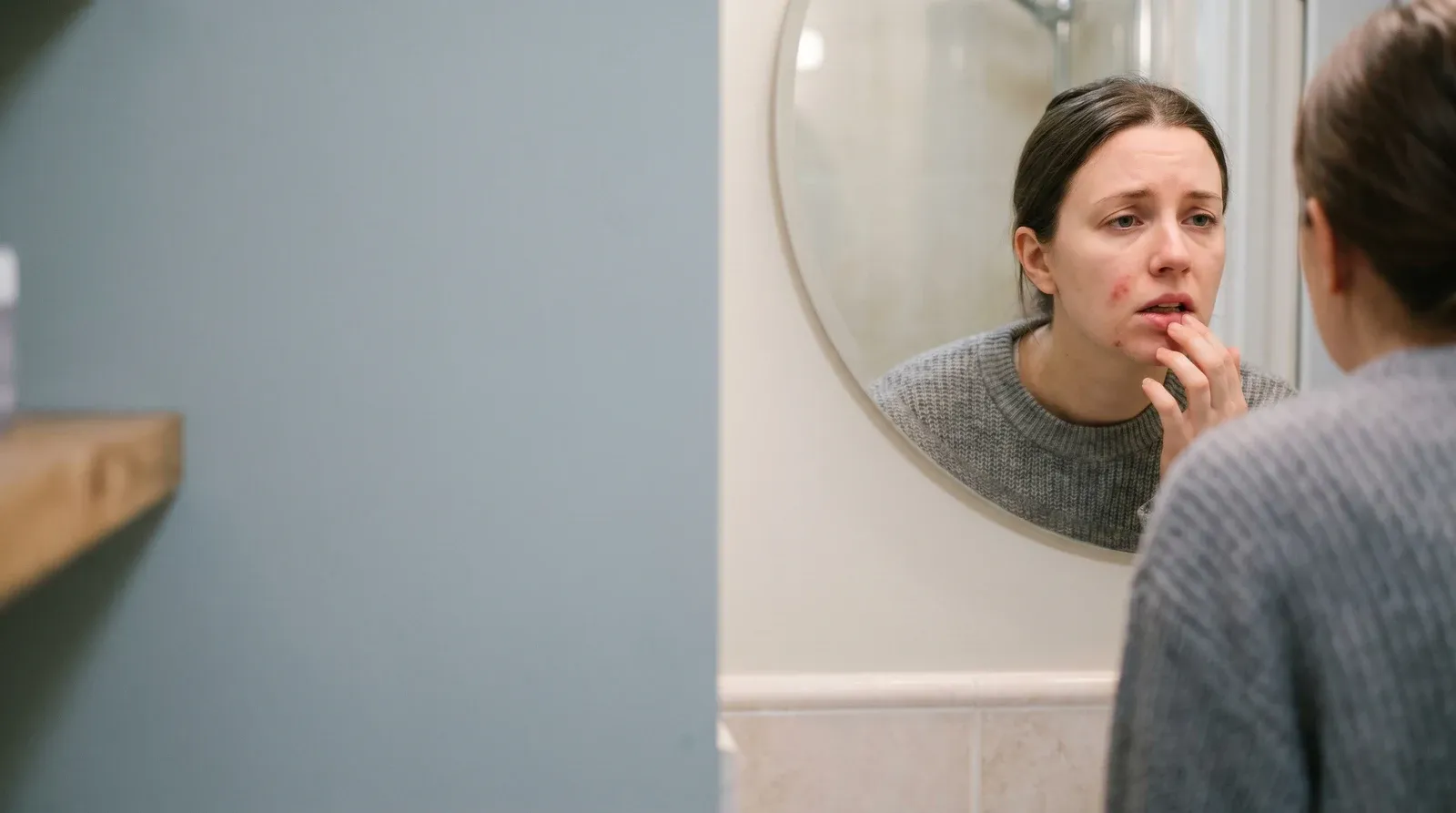
what to expect
Cold sore treatment without the wait
Walk Right In
Get Evaluated
Get The Antiviral
15 urgent care clinics treating cold sores
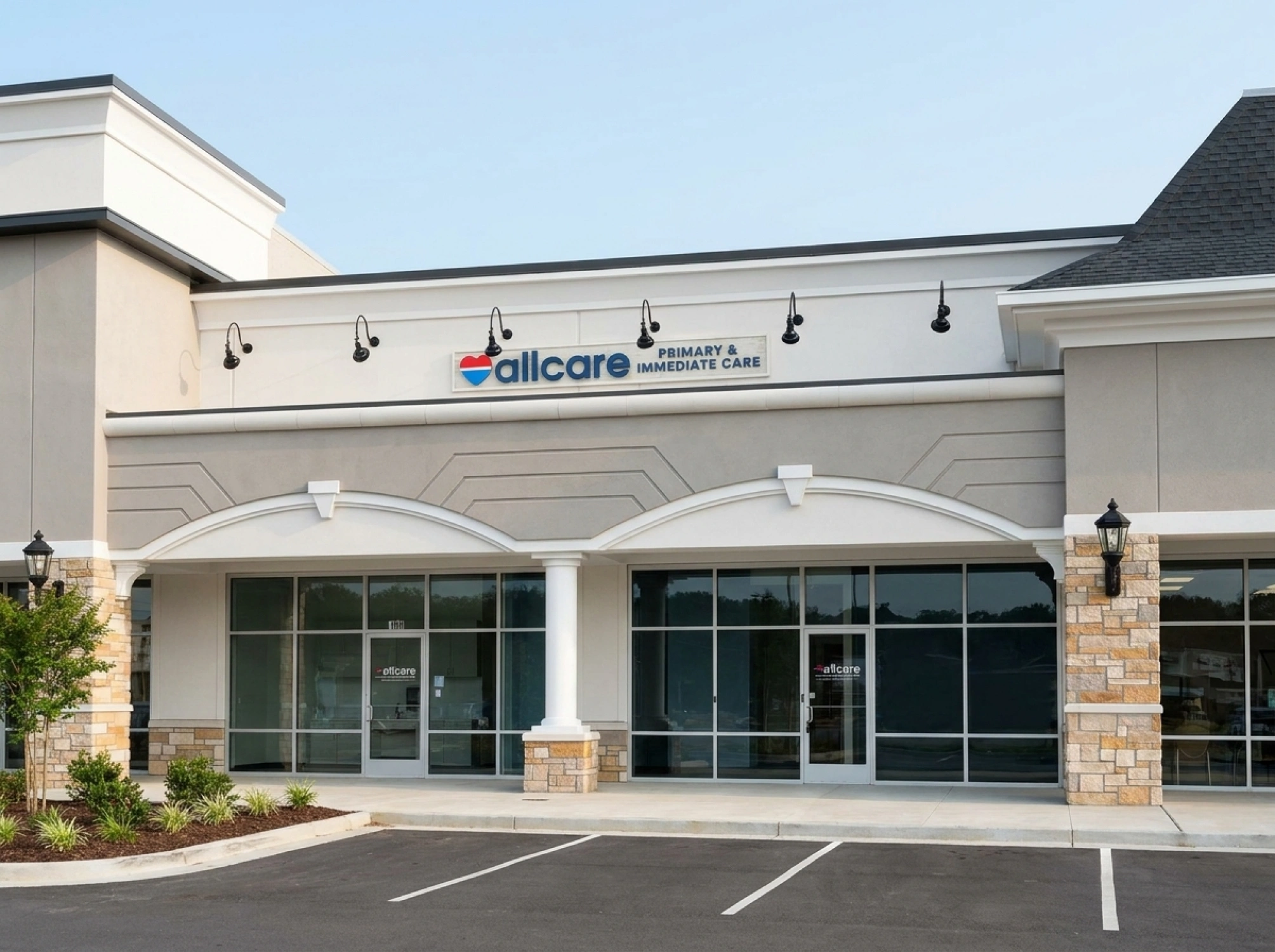
Braselton
Halcyon
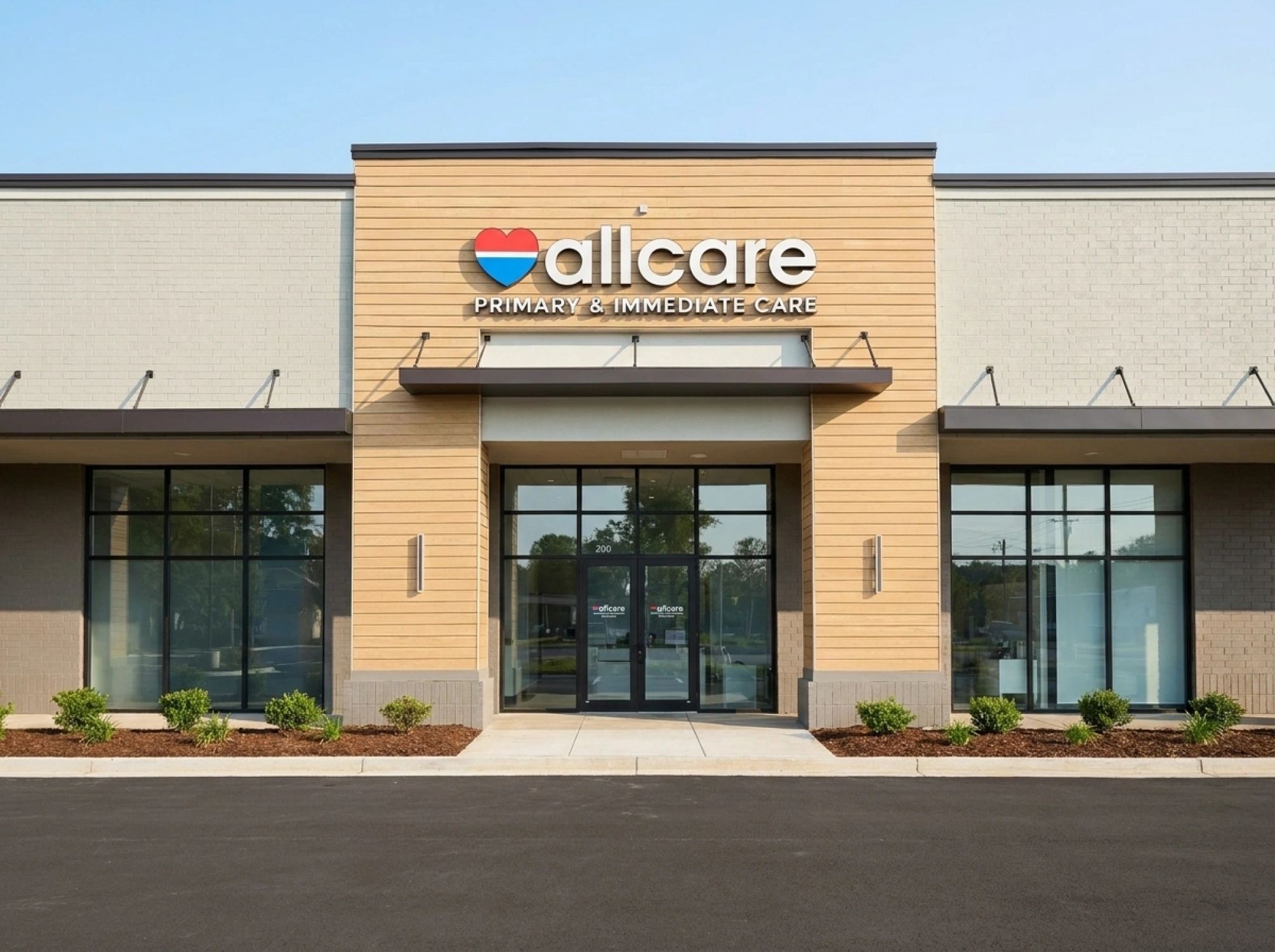
Duluth
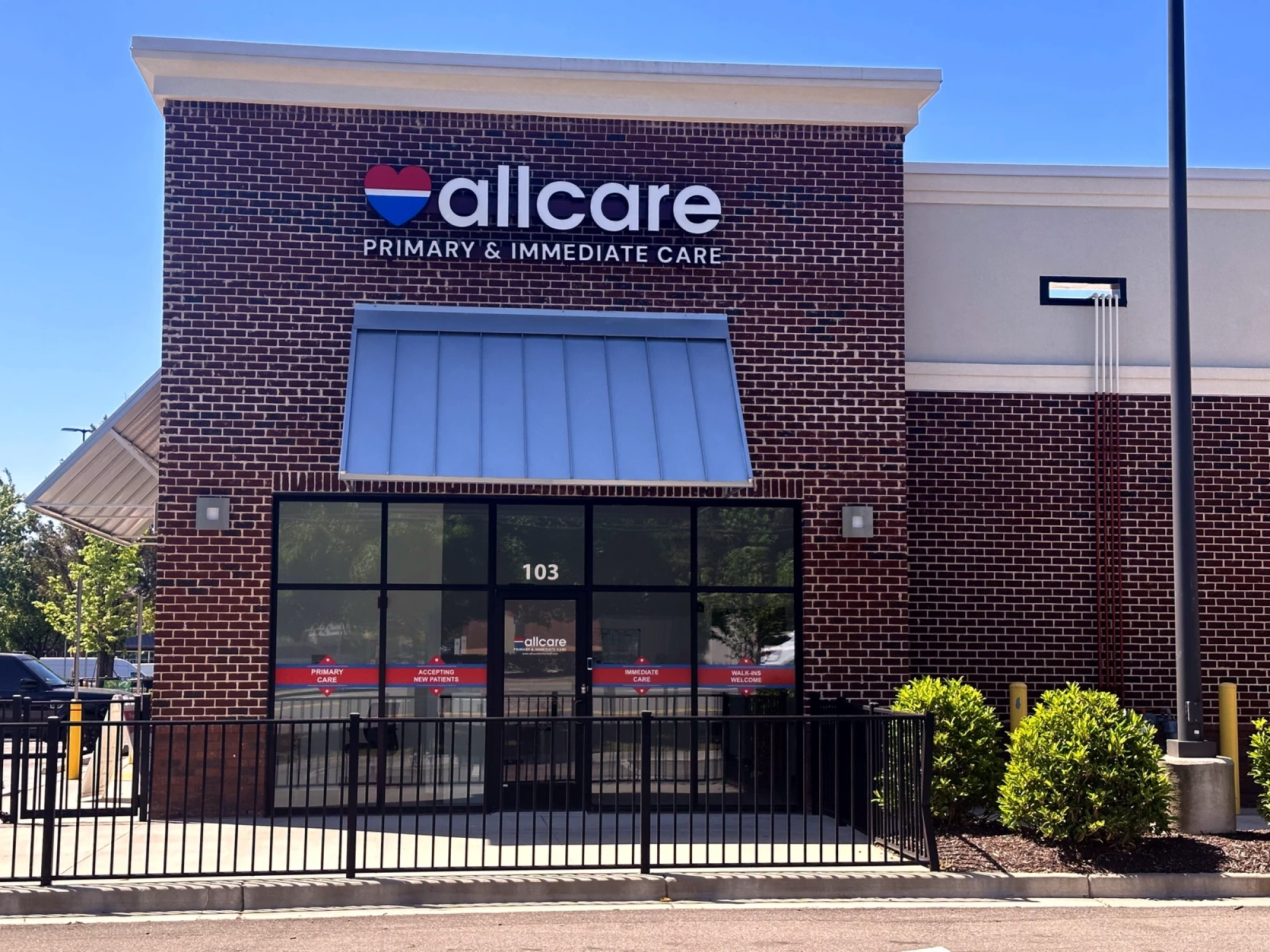
Hamilton Ridge
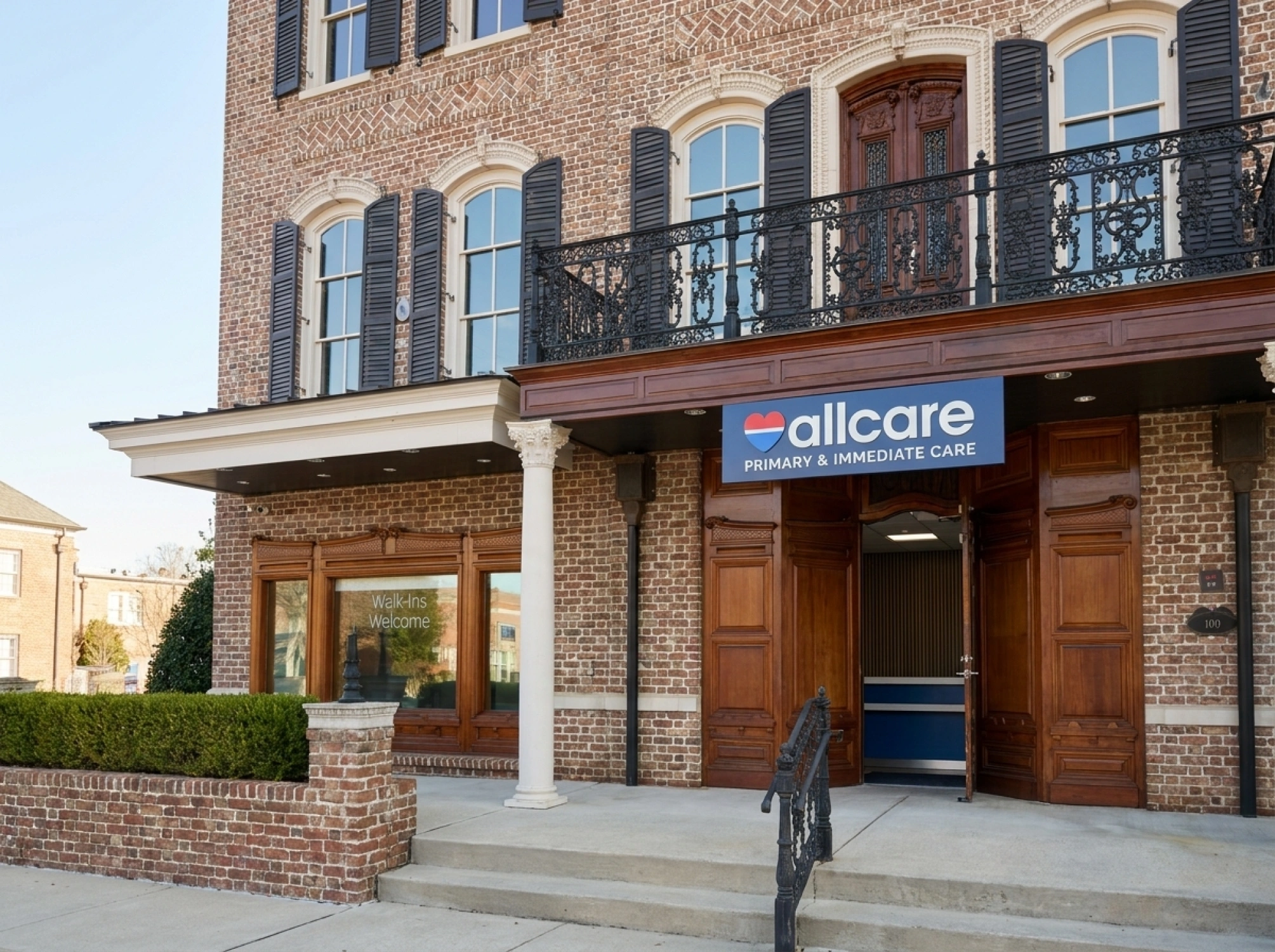
Ellard Village

Peachtree Plaza
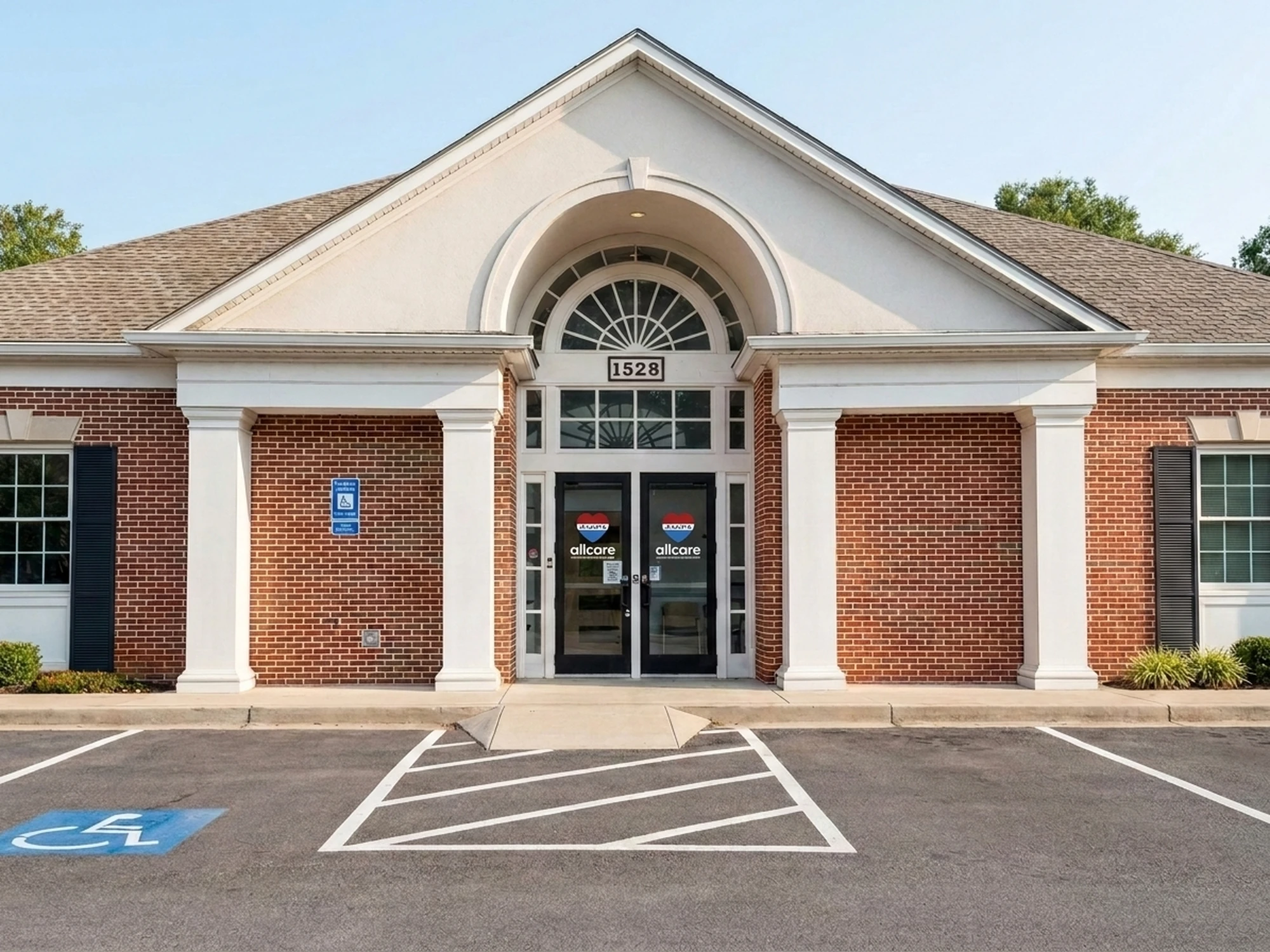
Tyrone
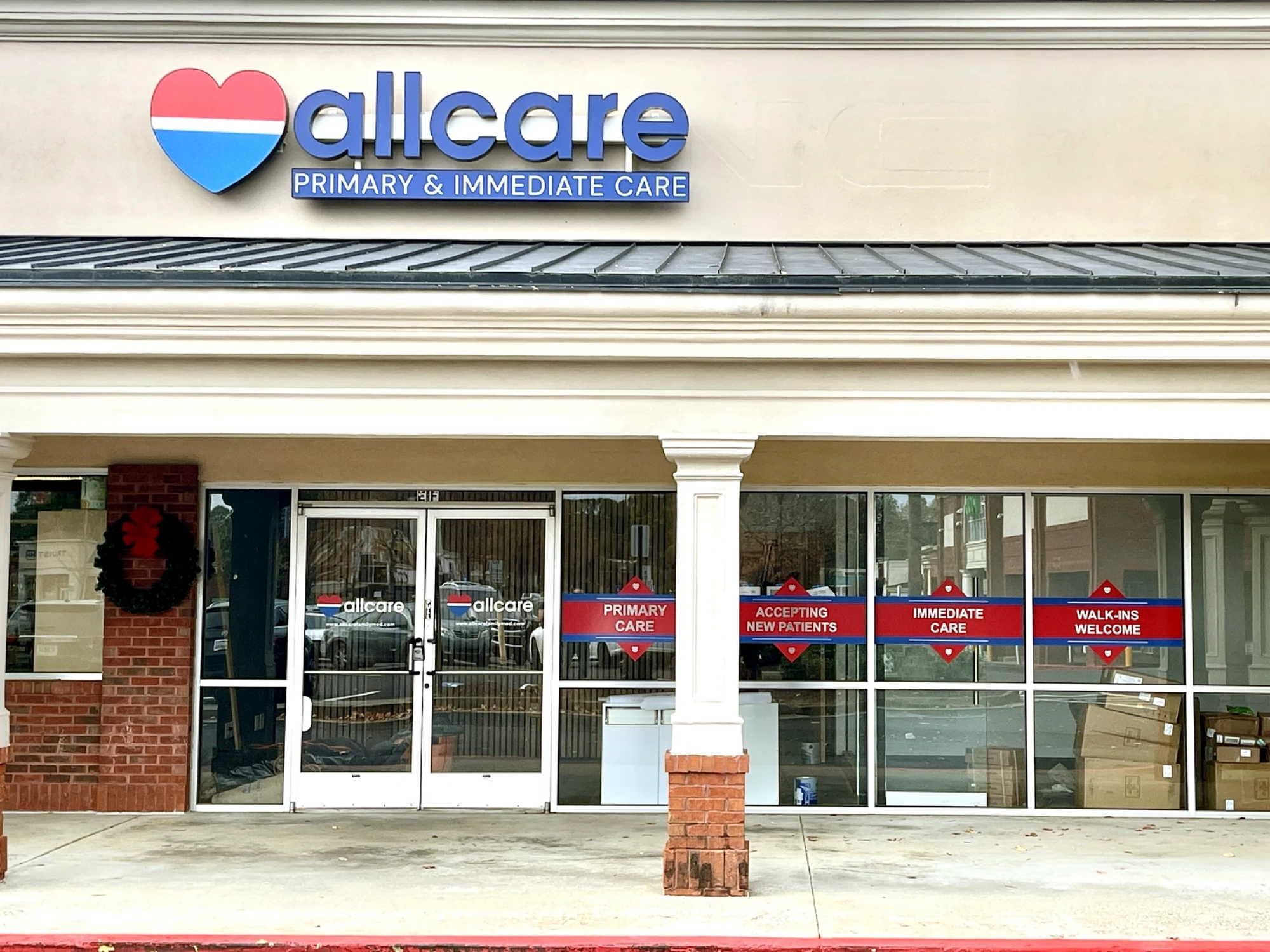
Smyrna

Alpharetta
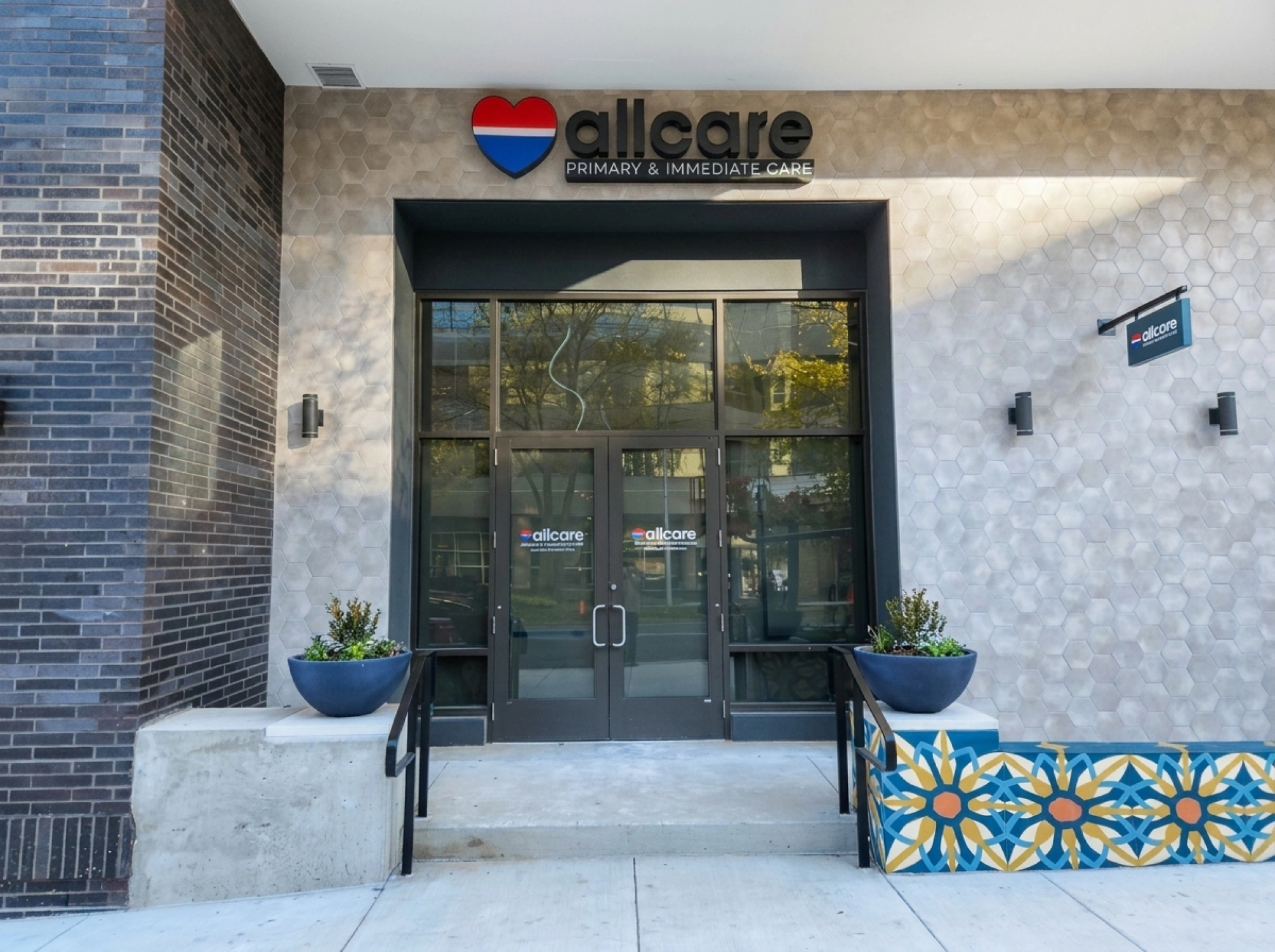
Decatur
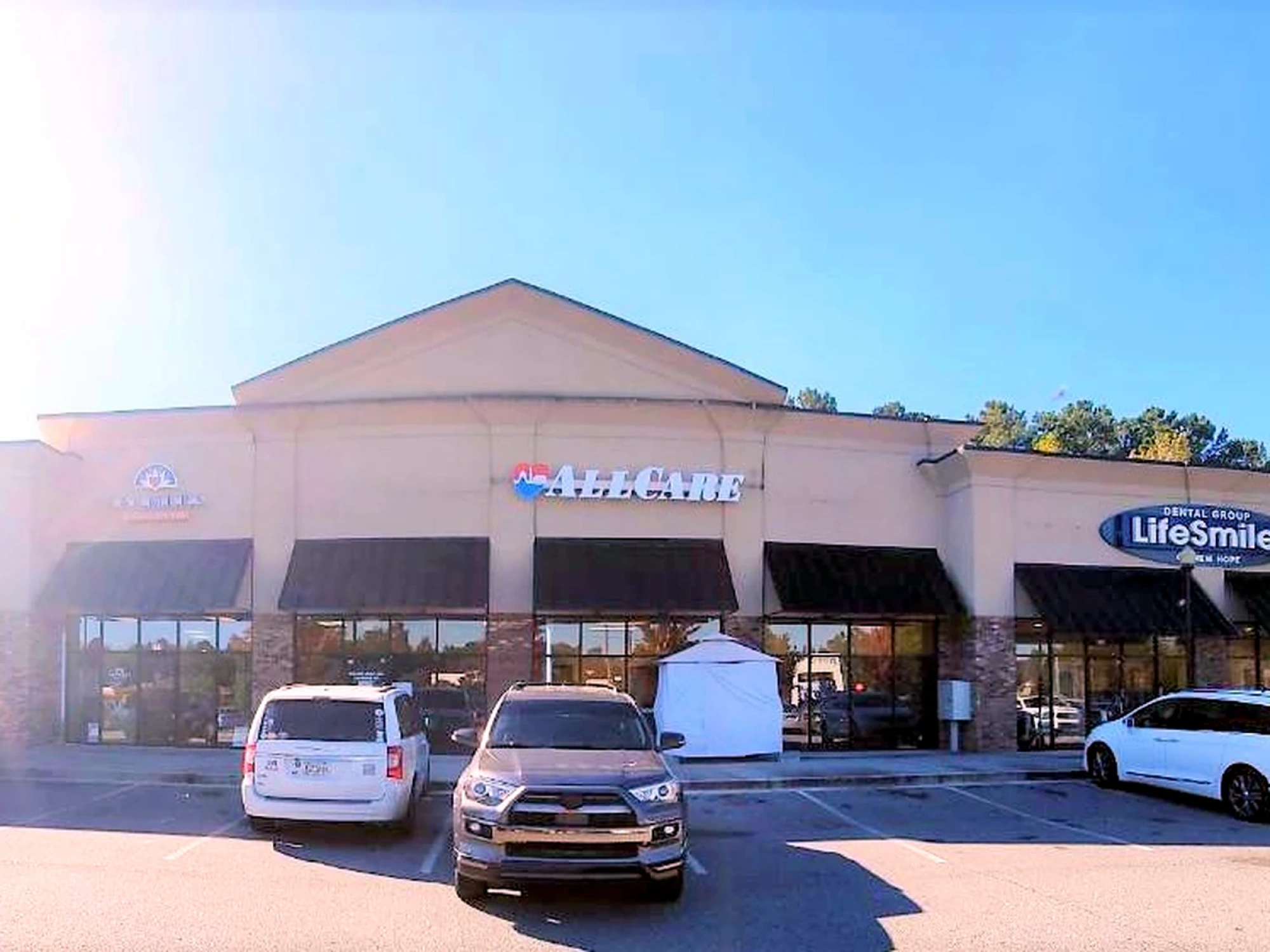
Dallas
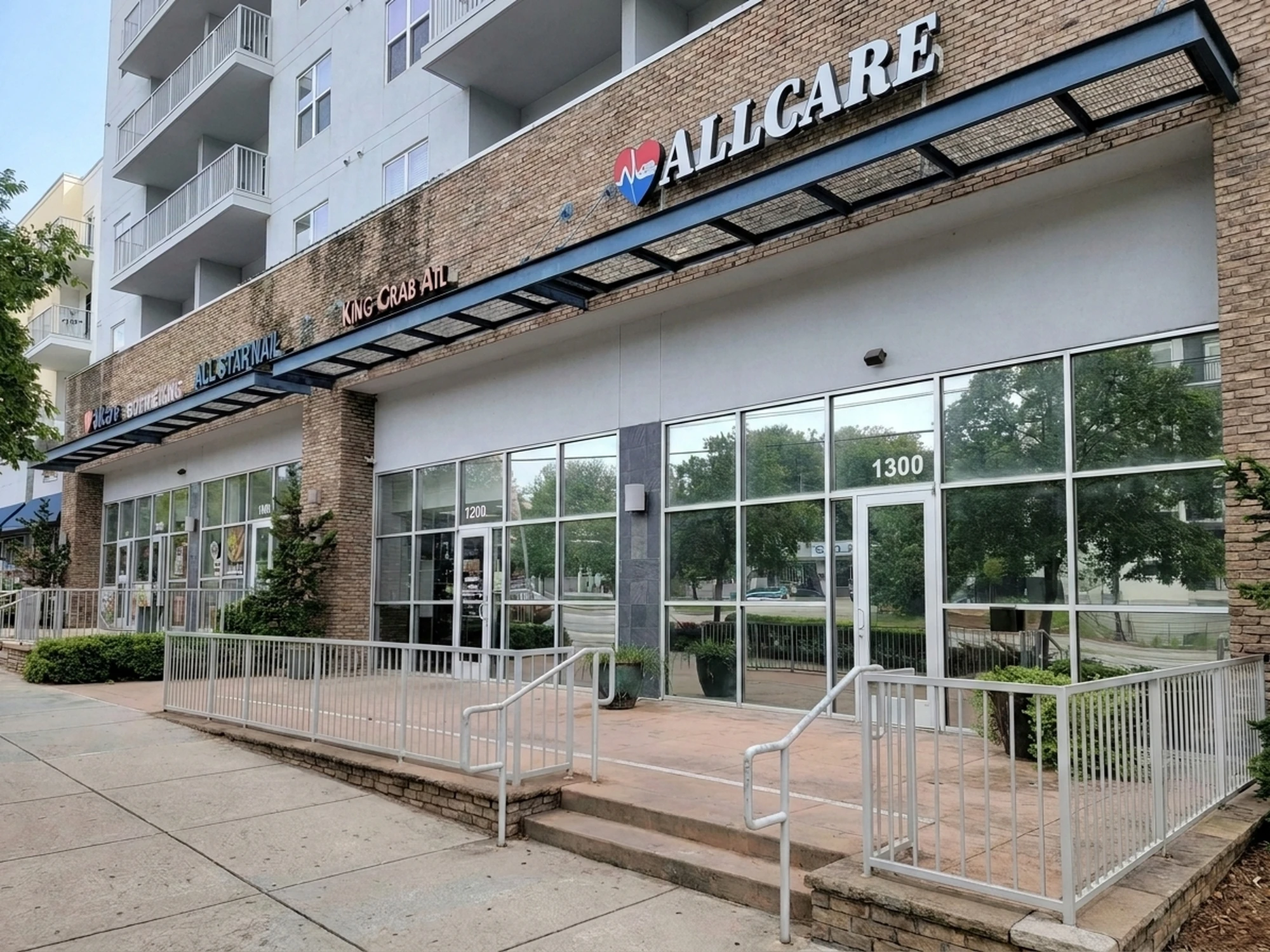
Northside
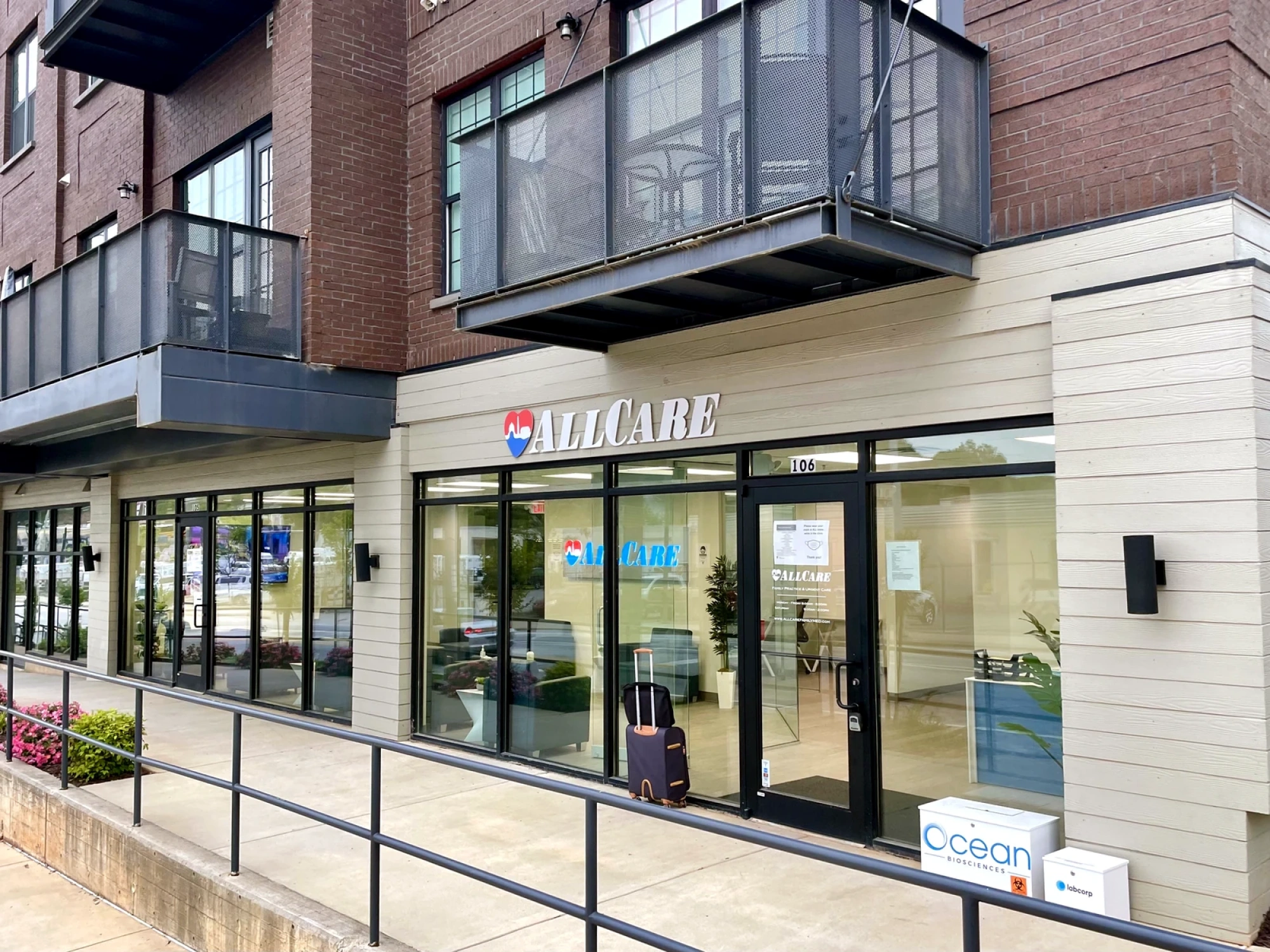
Reynoldstown
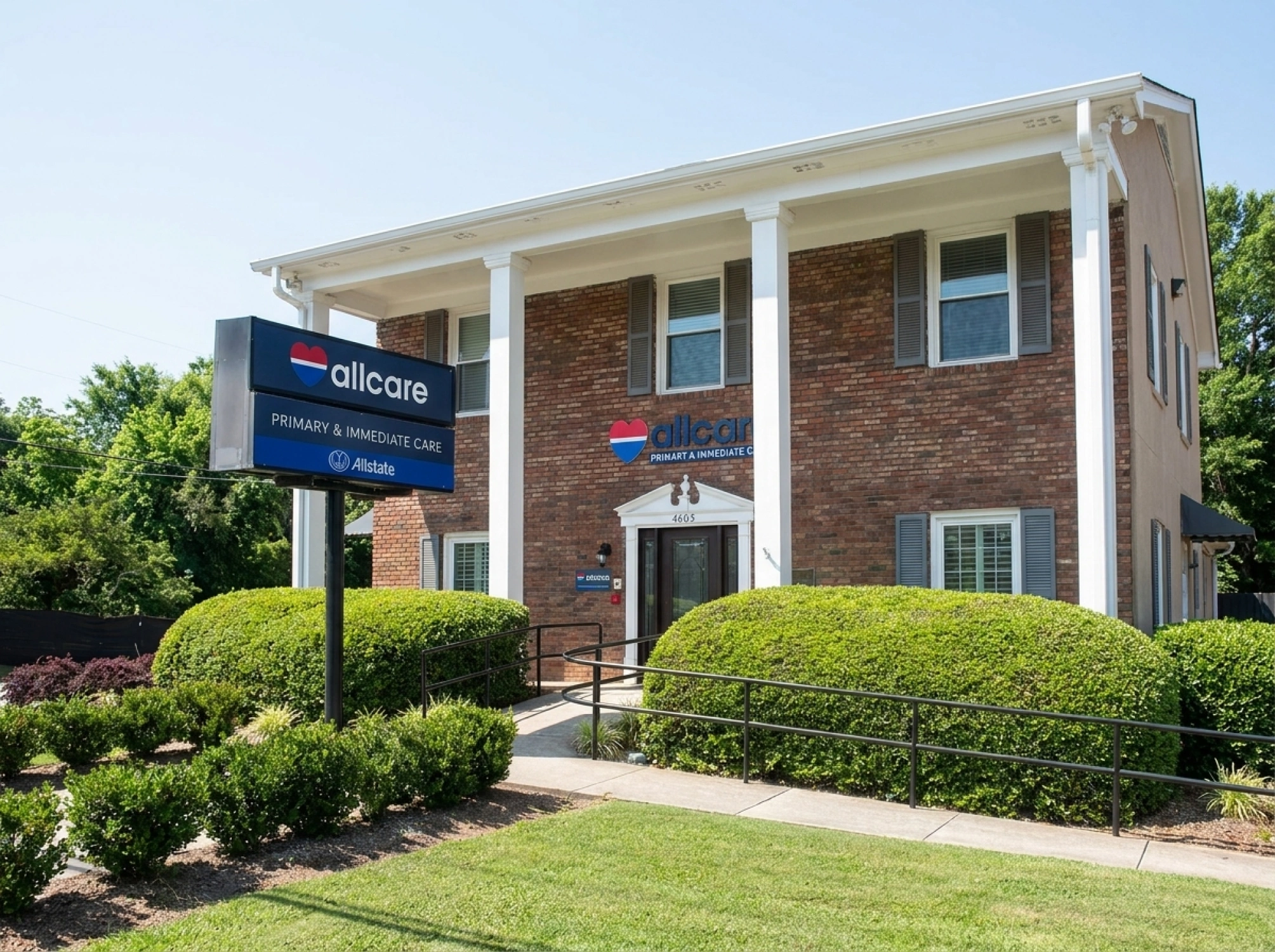
Buckhead

Midtown
Help from qualified providers & specialists
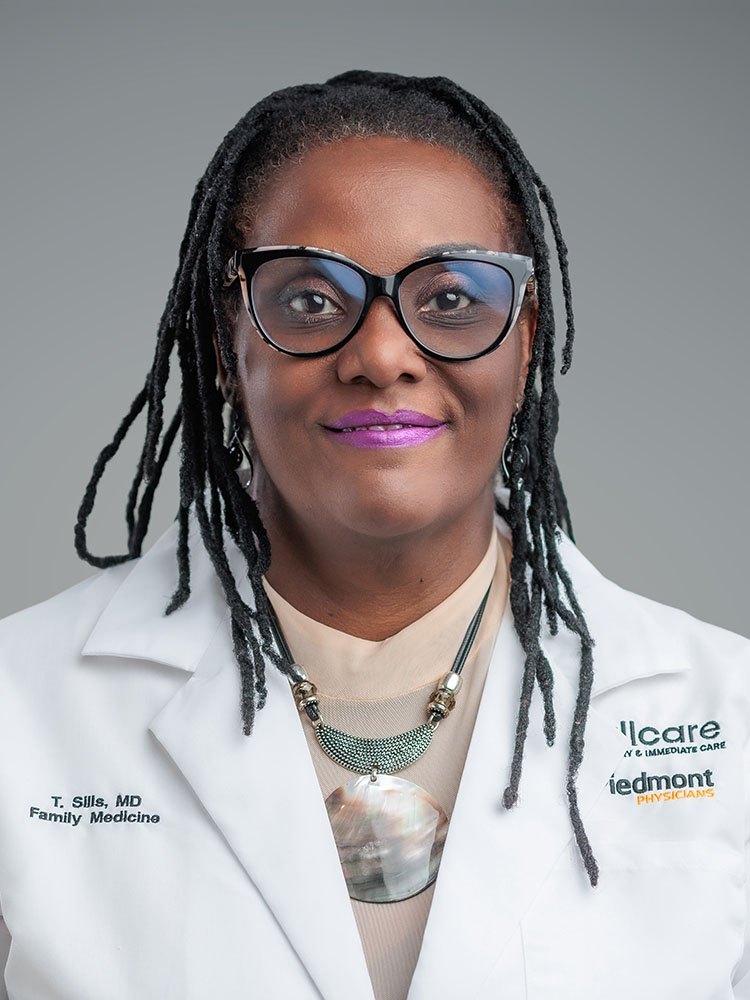
Tracey Sills
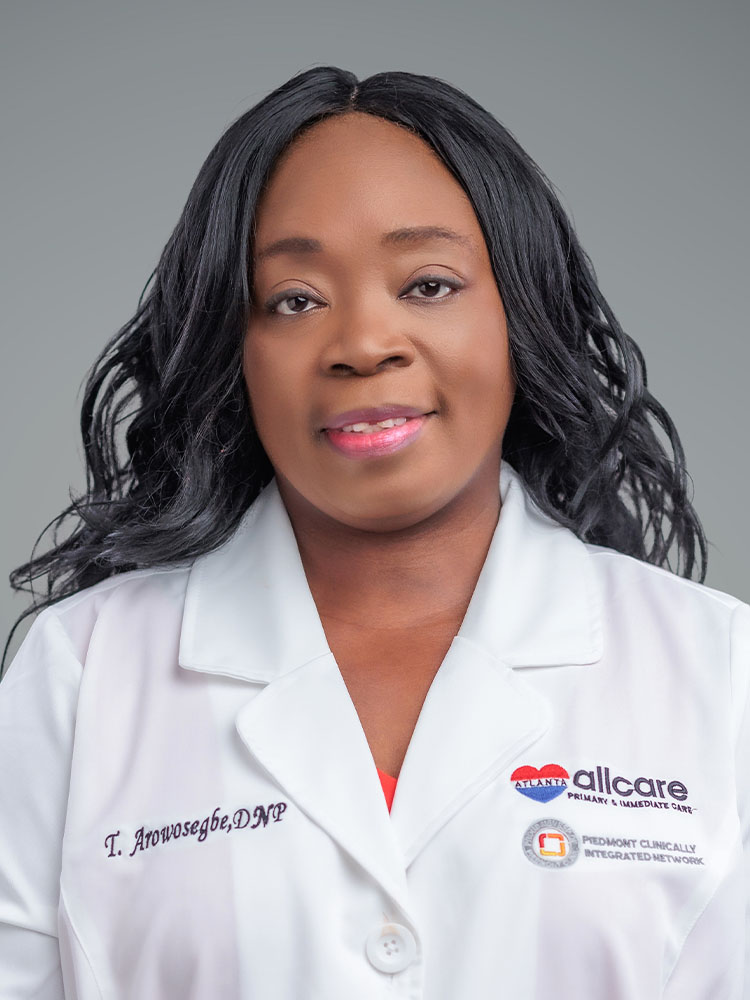
Tolu Arowosegbe
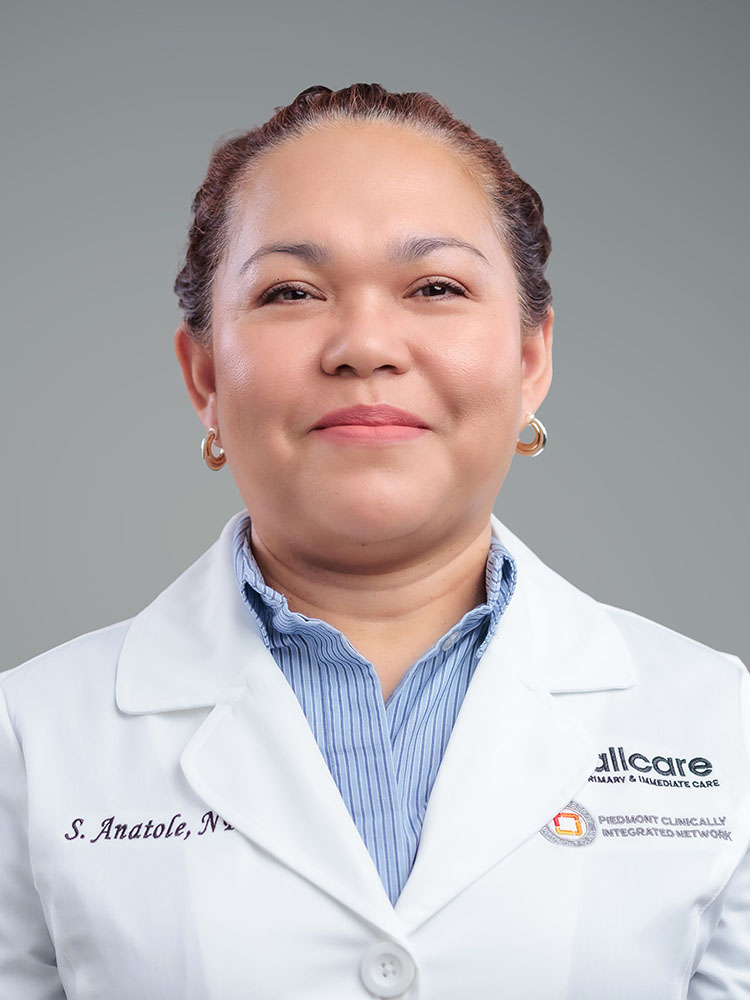
Sherlyne Anatole
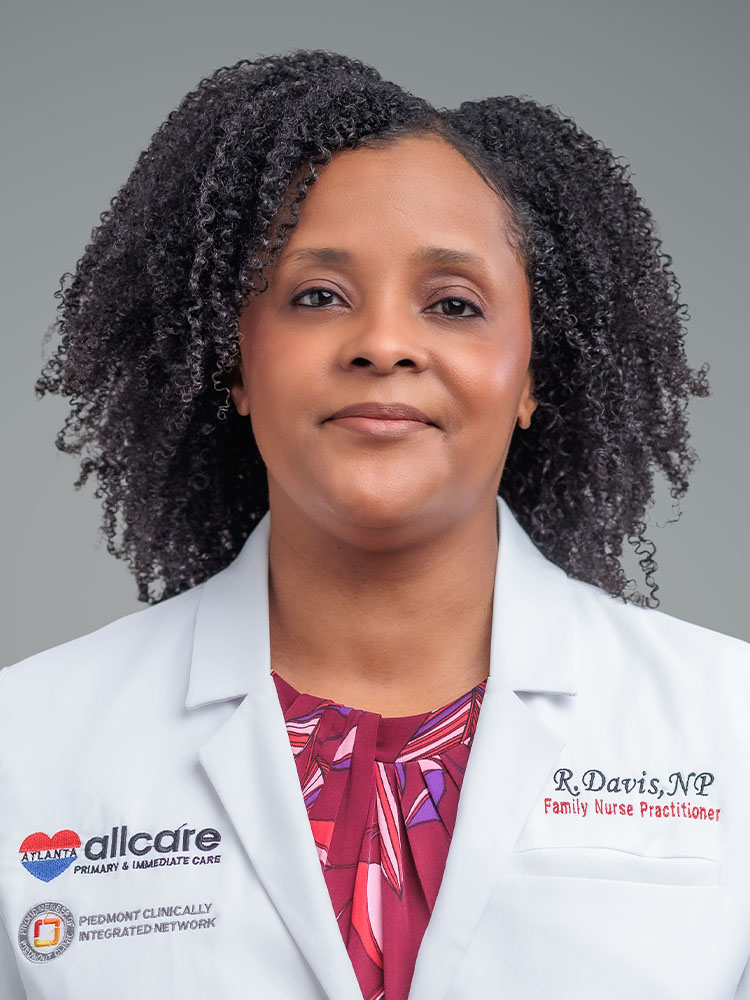
Regina Davis

FAQ
Common questions about cold sores
Should I go to the doctor for a cold sore?
Most cold sores clear up on their own, but some are worth getting checked. Come in if you have a fever of 100.4F or higher, pain that keeps you from eating or drinking, a sore near your eyes, blisters that spread, or a weakened immune system. No referral needed, and walk-ins are welcome.
What are the stages of a cold sore?
Cold sores move through predictable stages. They usually start with a day or two of tingling, itching, or pain before small blisters appear and fill with fluid. The blisters then break and weep, crust over into a golden-brown scab, and the scab typically falls off within six to 14 days.
What is a cold sore?
A cold sore, sometimes called a fever blister, is a small fluid-filled blister on or around your lips. It's caused by the herpes simplex virus, which stays dormant in your nerve cells and can flare up now and then. Stress, illness, or sun exposure often trigger an outbreak.
How do you prevent cold sores?
If you’re infected with the virus, it’s important to avoid triggers such as stress, fatigue, and excessive sun or wind exposure. You can also strengthen your immune system by getting enough sleep, regular exercise, and a balanced diet. If you’re prone to outbreaks from sun exposure, wear sunscreen and limit time in the sun. If you are not infected with the virus, protect yourself by avoiding skin-to-skin contact with someone who has a cold sore, washing your hands after contact, and not sharing utensils or personal items.
How do you get cold sores?
Cold sores are most commonly spread through direct contact with the fluid from an active blister, such as through kissing or touching the sore. The virus can also spread via contaminated surfaces, including shared utensils, towels, or lip products. Additionally, oral sex can transfer the virus between the mouth and genitals. Even when sores aren’t visible, HSV can sometimes shed from the skin, making it possible to contract the virus from someone who appears asymptomatic.
How common are cold sores?
Cold sores are extremely common, affecting a significant portion of the global population. According to the World Health Organization (WHO), an estimated 67% of people under the age of 50 worldwide are infected with the herpes simplex virus type 1 (HSV-1), which is the primary cause of cold sores. In the United States, it’s estimated that about 50% to 80% of adults carry the virus, although not everyone will experience visible outbreaks. Many people contract HSV-1 during childhood through nonsexual contact, such as being kissed by a relative with an active cold sore.
Are cold sores contagious?
Yes, cold sores are very contagious and most contagious when they burst. If you have a cold sore, you should avoid kissing, oral sex, or sharing eating or drinking utensils until your cold sore is completely healed.
What causes cold sores?
Cold sores are caused by the herpes simplex virus, a common virus that can remain inactive in the body. Cold sores are not directly linked to colds, fevers, or the flu; however, individuals with weakened immune systems may be more susceptible to outbreaks.
Always Nearby
15 urgent care clinics treating cold sores
Braselton
1070 Braselton Village Parkway, Suite 100, Braselton, GA 30517
Trusted by thousands of customers
As a new resident in the Alpharetta area, I felt immediately comfortable in the care of Nurse Practitioner Ancelle Jackson. She truly listened as I explained my symptoms and showed genuine interest in getting to the root cause rather than just treating the
Shasa
Alpharetta
Another great experience, my 3rd time here. Pervious nurse practitioner left, I was hesitant to continue with this location.
Lee
Dallas
Super quick and easy visit. They called me right back at my appointment time and saw me immediately.They didn't leave me sitting in the waiting room in an hour only to be called back to the room and wait another hour to be seen for 5 minutes, like many doc
Ryan
Dallas
Very caring and friendly staff.
Debra
Reynoldstown
Related care
Get care today
Same-day care at 15 Atlanta locations. Walk in, book online, or start a virtual visit.
Use most insurance, self-pay, HSA, or FSA
Board-certified MD, PA, or NP every visit
Follow-up care at any location, no wait
Most major plans accepted: BlueCross, Aetna, Cigna, UnitedHealthcare, Humana, Kaiser, and more.