
Food Poisoning Treatment in Georgia
Same-day food poisoning evaluation and rehydration support at 15 Georgia walk-in clinics. Anti-nausea treatment available immediately.

Most Insurance Accepted
FSA & HSA Accepted
Self-pay available





+ Others
Comprehensive food poisoning treatment nearby
Food poisoning is evaluated and treated the same day at AllCare's 15 Georgia walk-in clinics, including anti-nausea medication and rehydration support for severe cases. Walk in with no appointment, and self-pay visits start at $140.

Stool Culture
A stool sample is tested for the bacteria or virus behind your symptoms.
Fluid Replacement Therapy
Restores fluids and electrolytes lost to vomiting or diarrhea.
Medical Examination
We review symptoms, diet, and recent travel for a full picture.
Blood Food Poisoning Tests
Detects bloodstream infections like Listeria or hepatitis A.
Food Poisoning Medications
Antibiotics, antiparasitics, or probiotics depending on the cause.
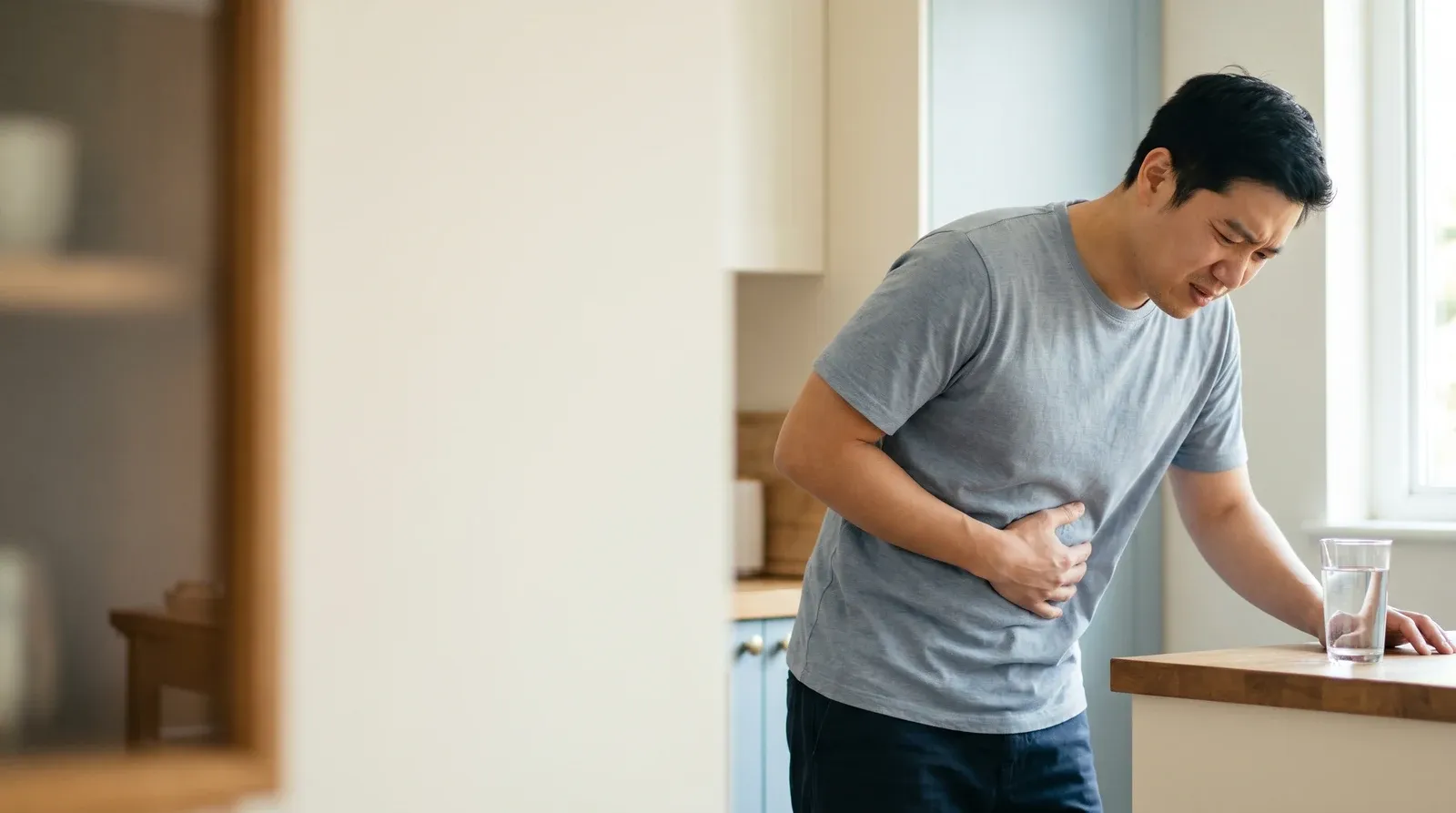
what to expect
Food poisoning relief without the wait
Walk Right In
Get Evaluated
Start Feeling Better
15 urgent care clinics treating food poisoning
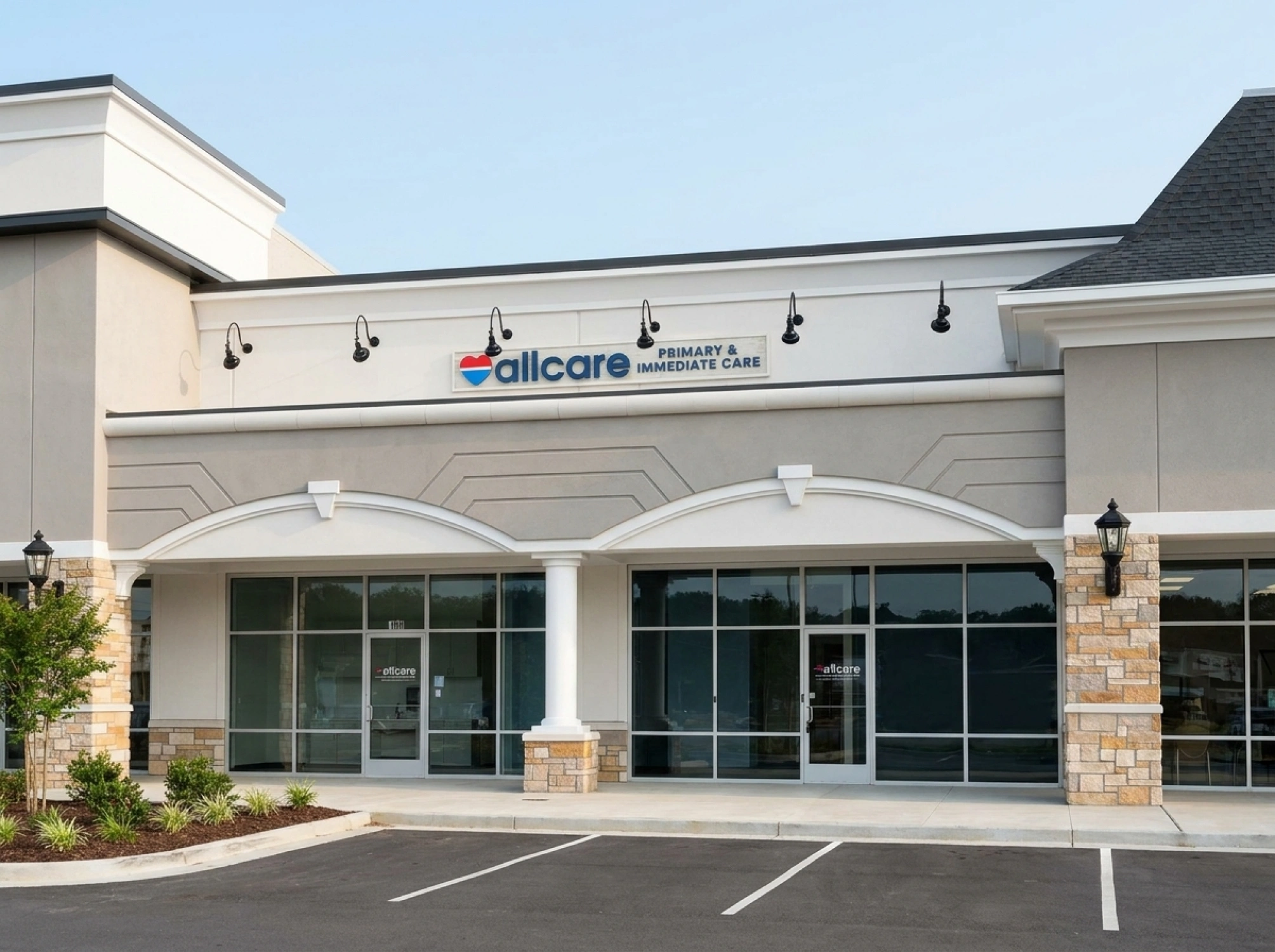
Braselton
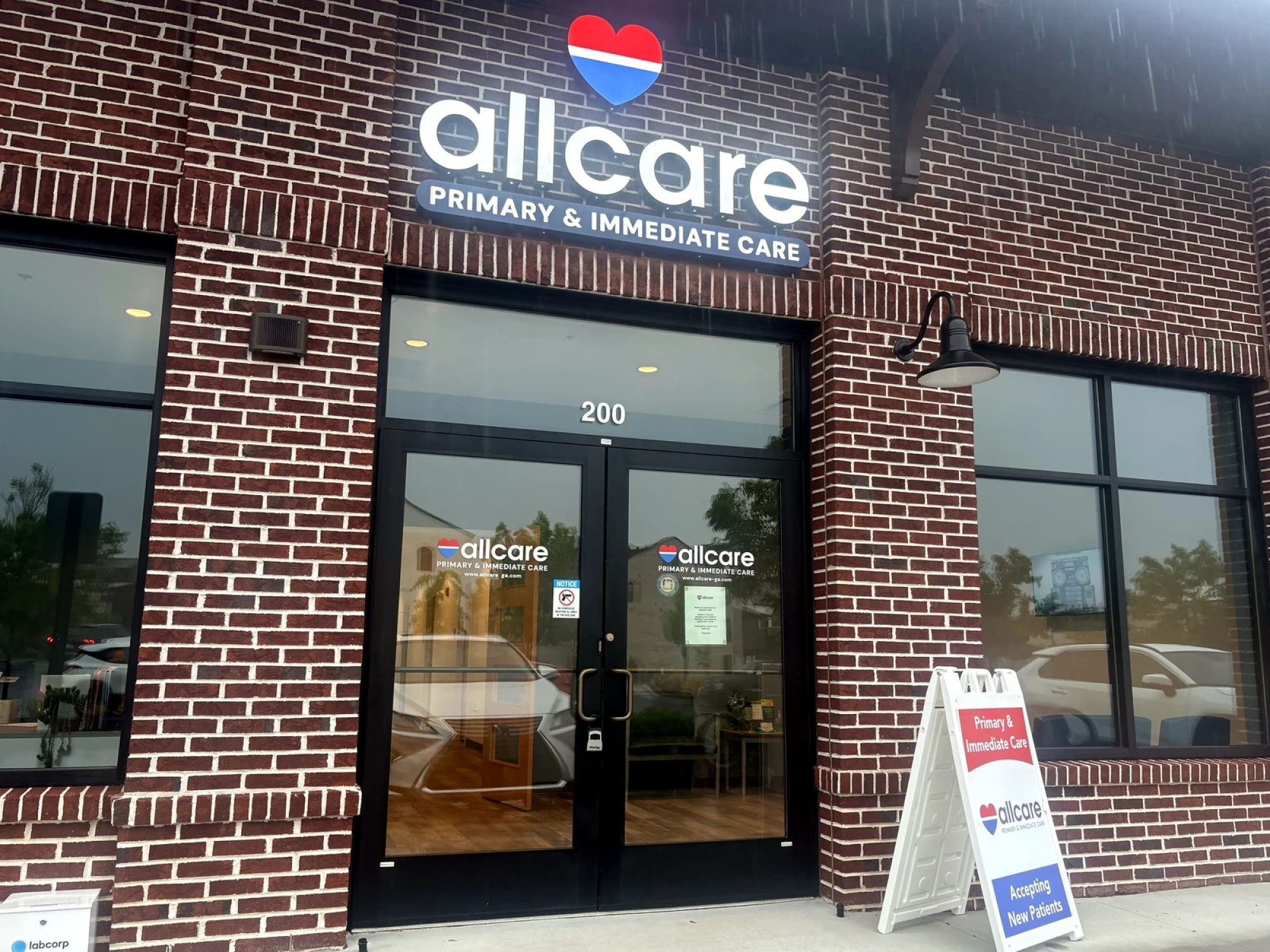
Halcyon
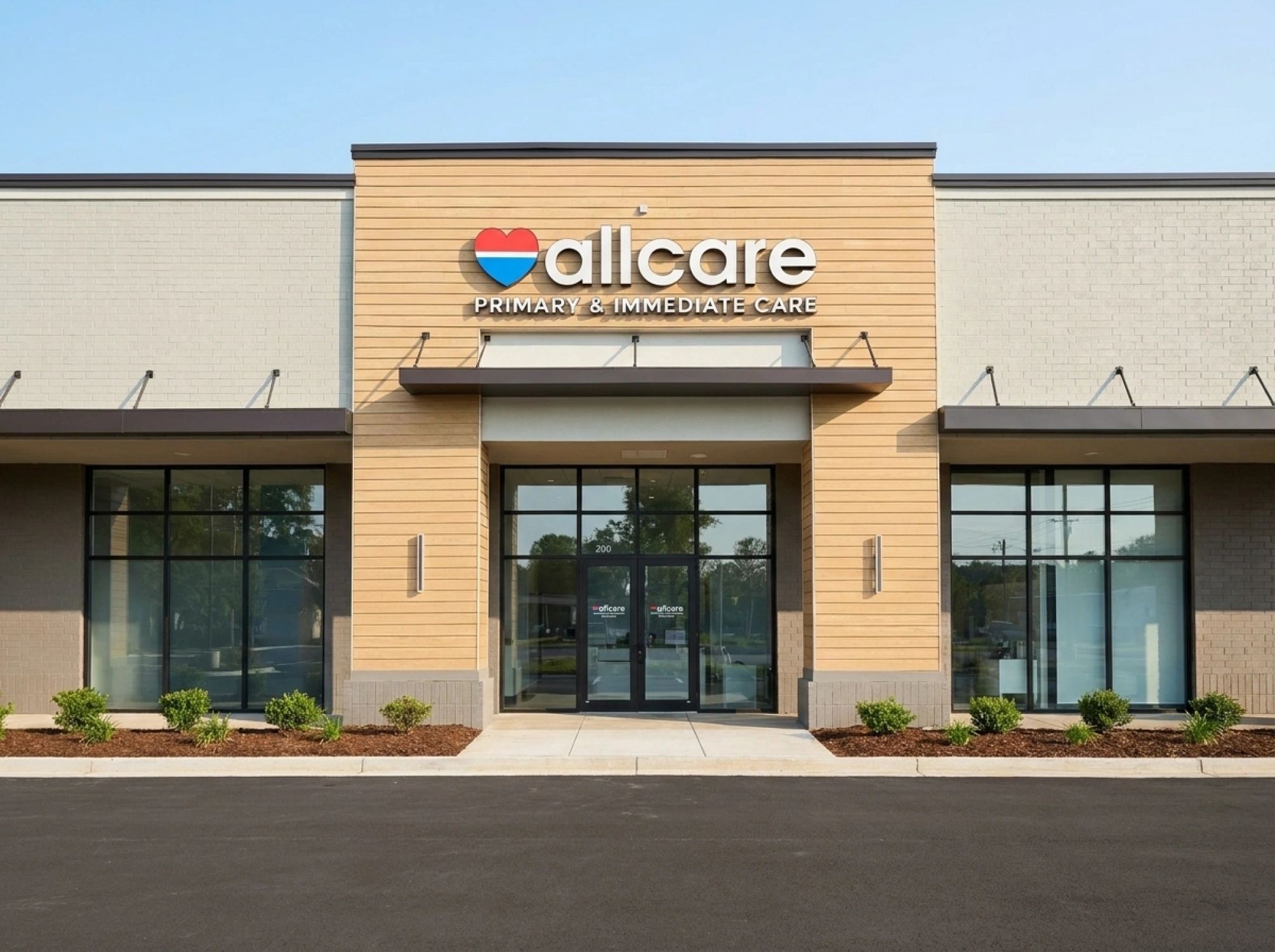
Duluth
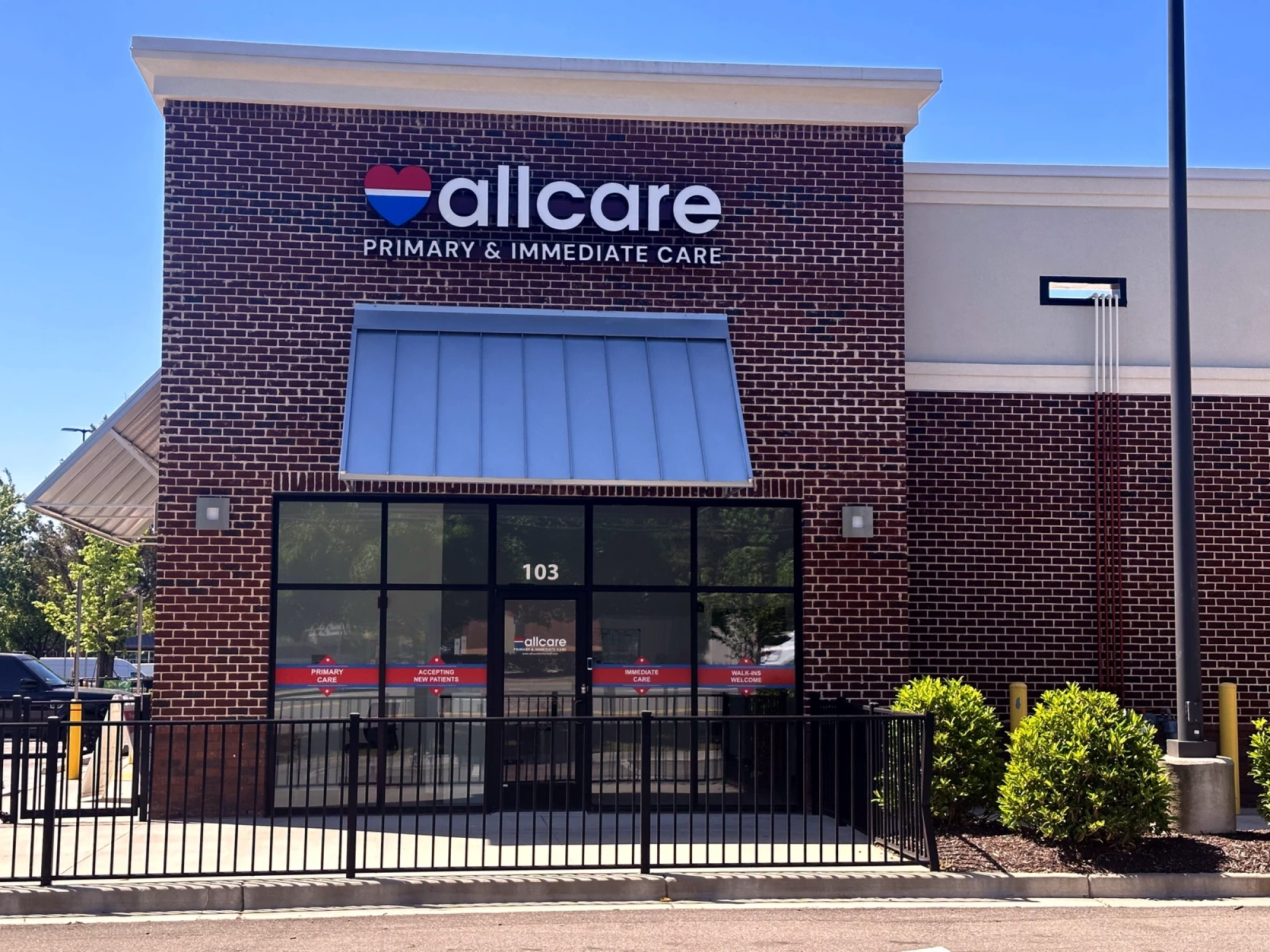
Hamilton Ridge
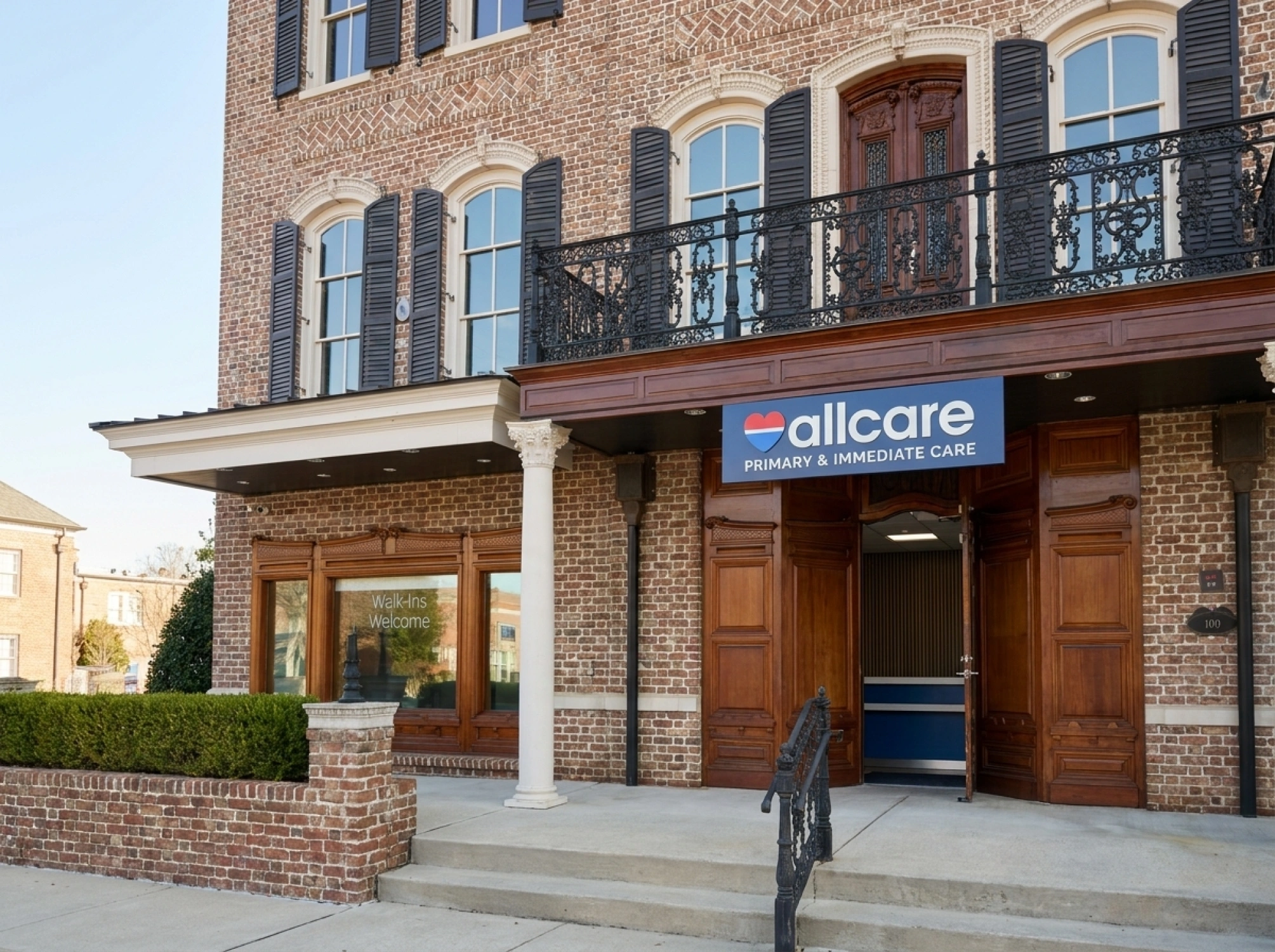
Ellard Village

Peachtree Plaza
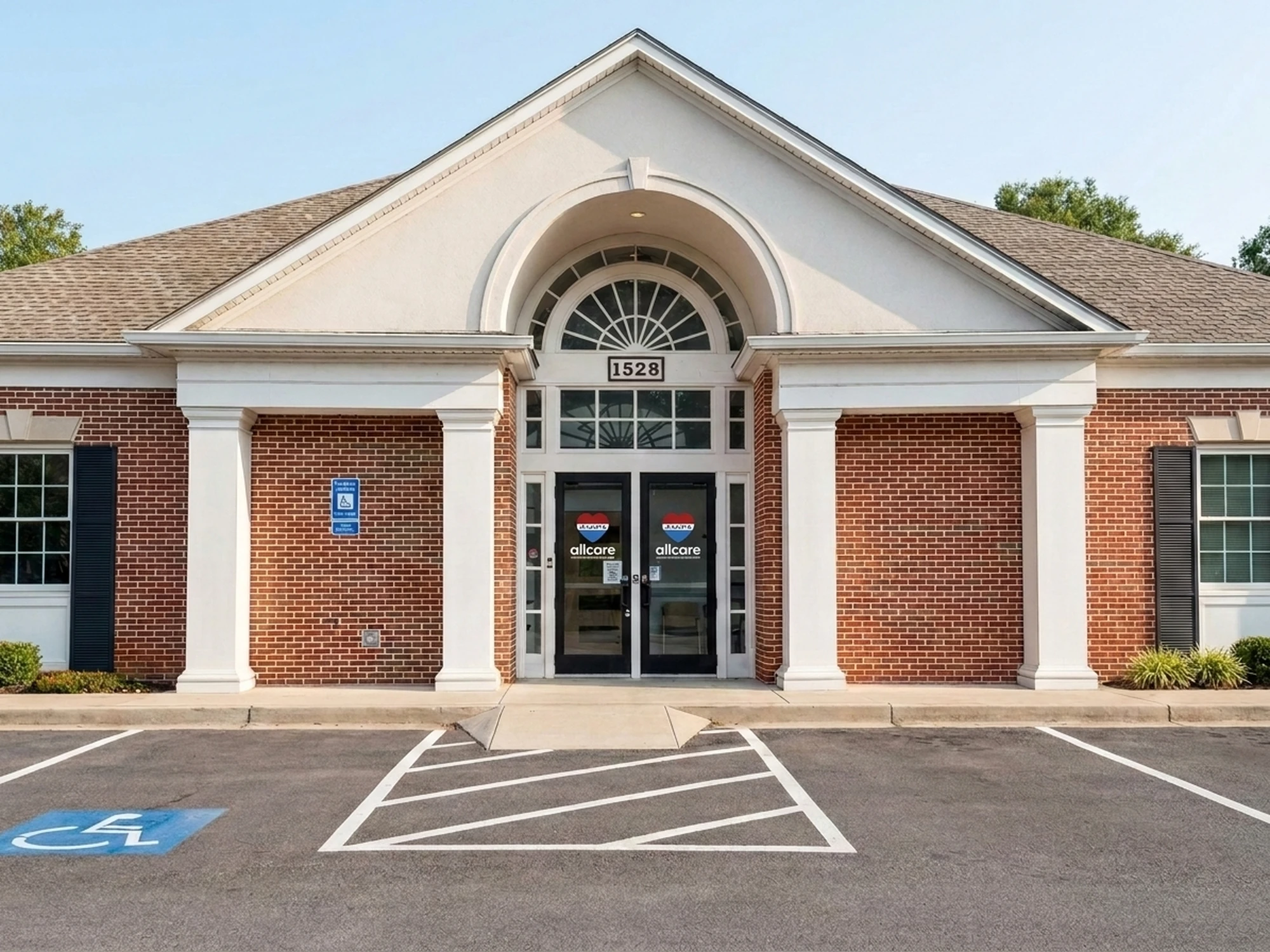
Tyrone
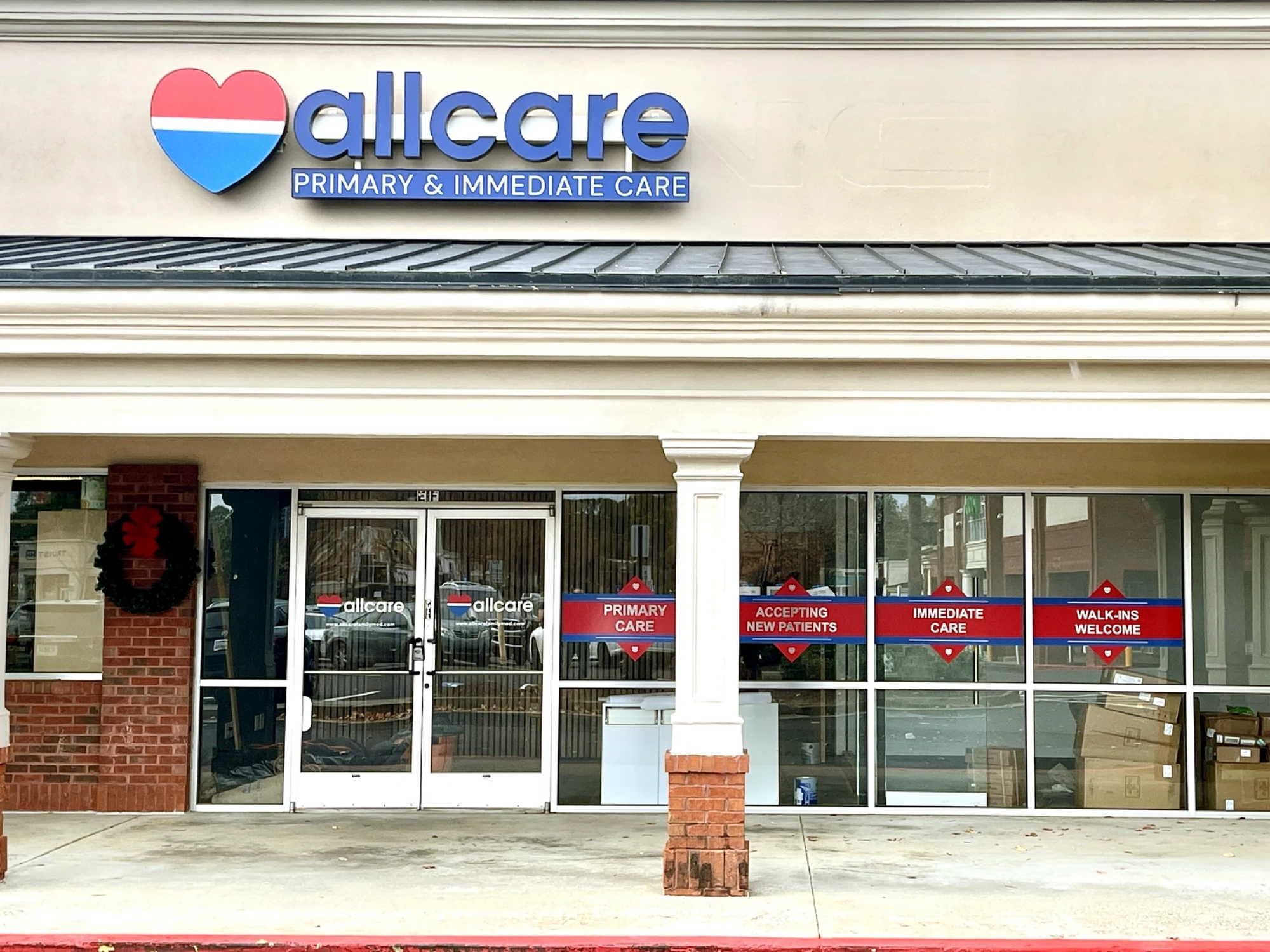
Smyrna

Alpharetta
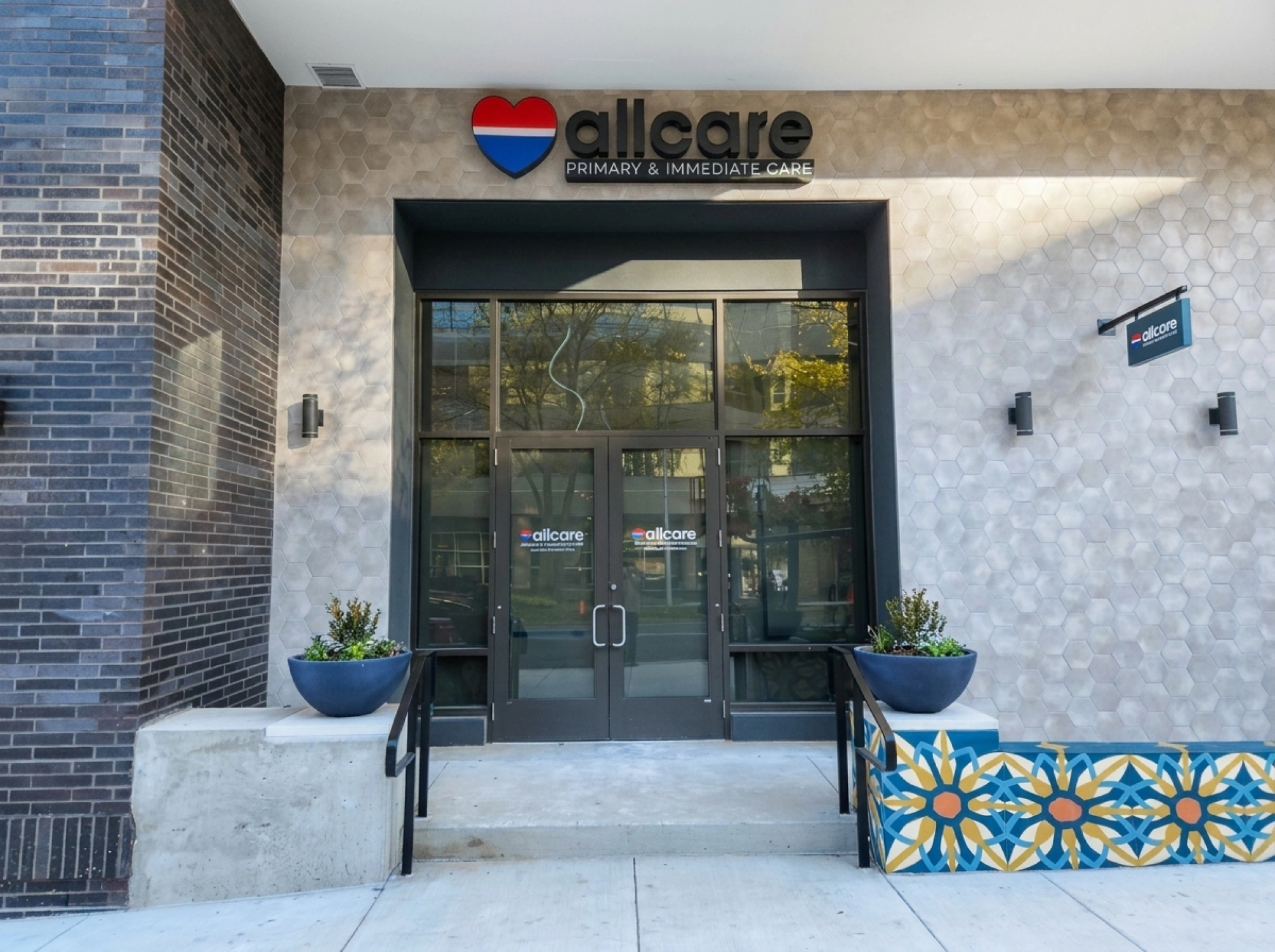
Decatur
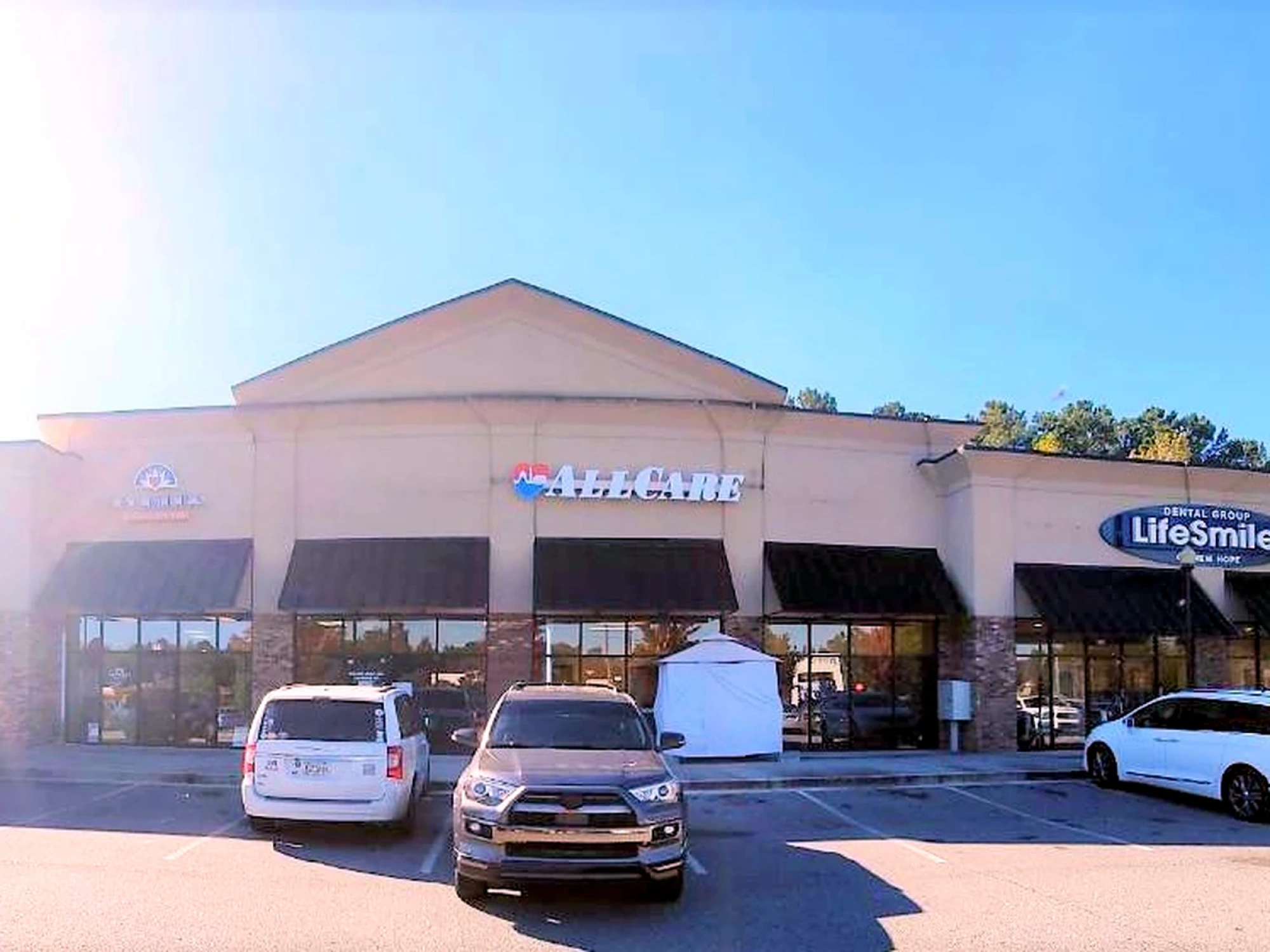
Dallas
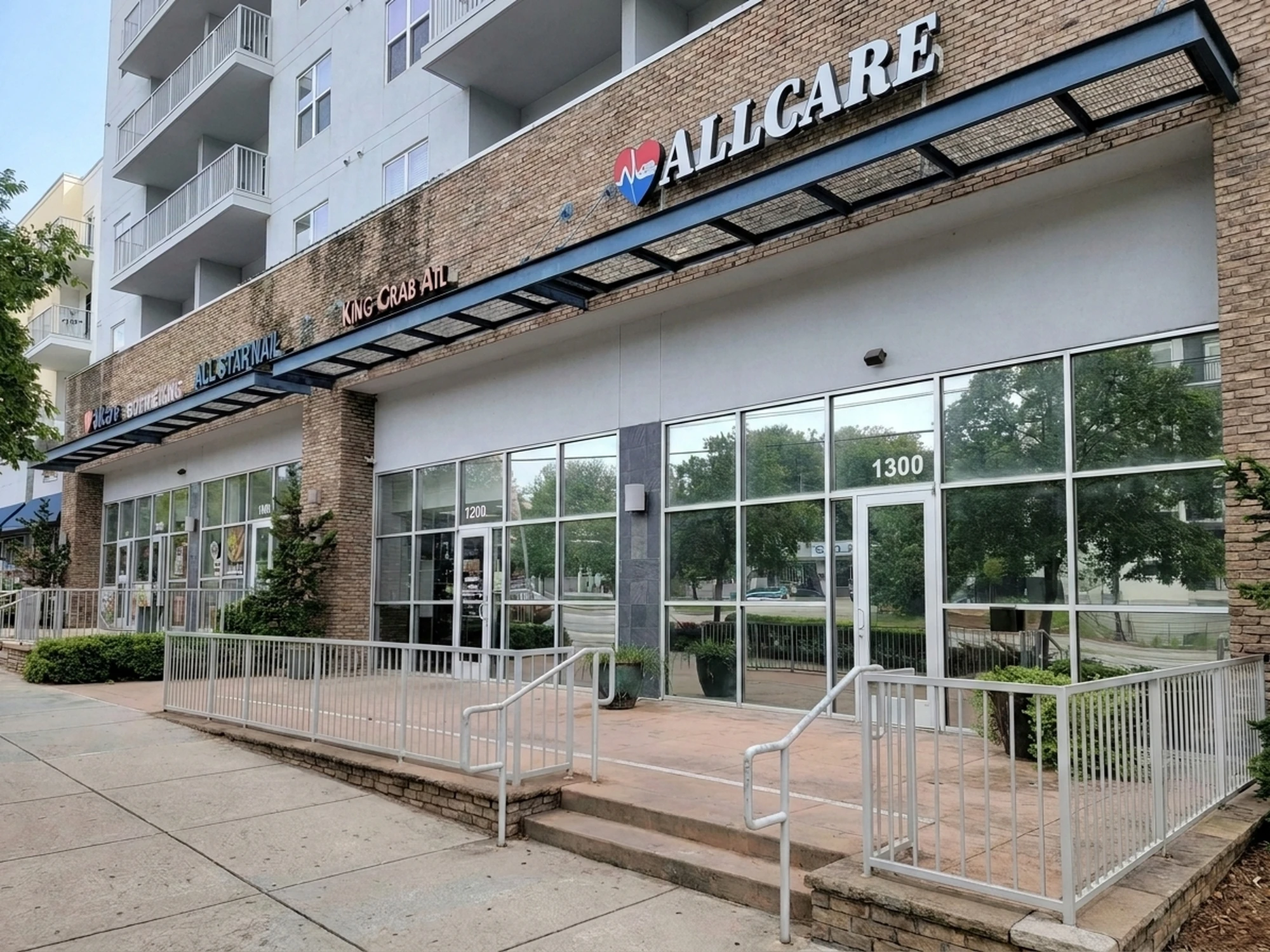
Northside
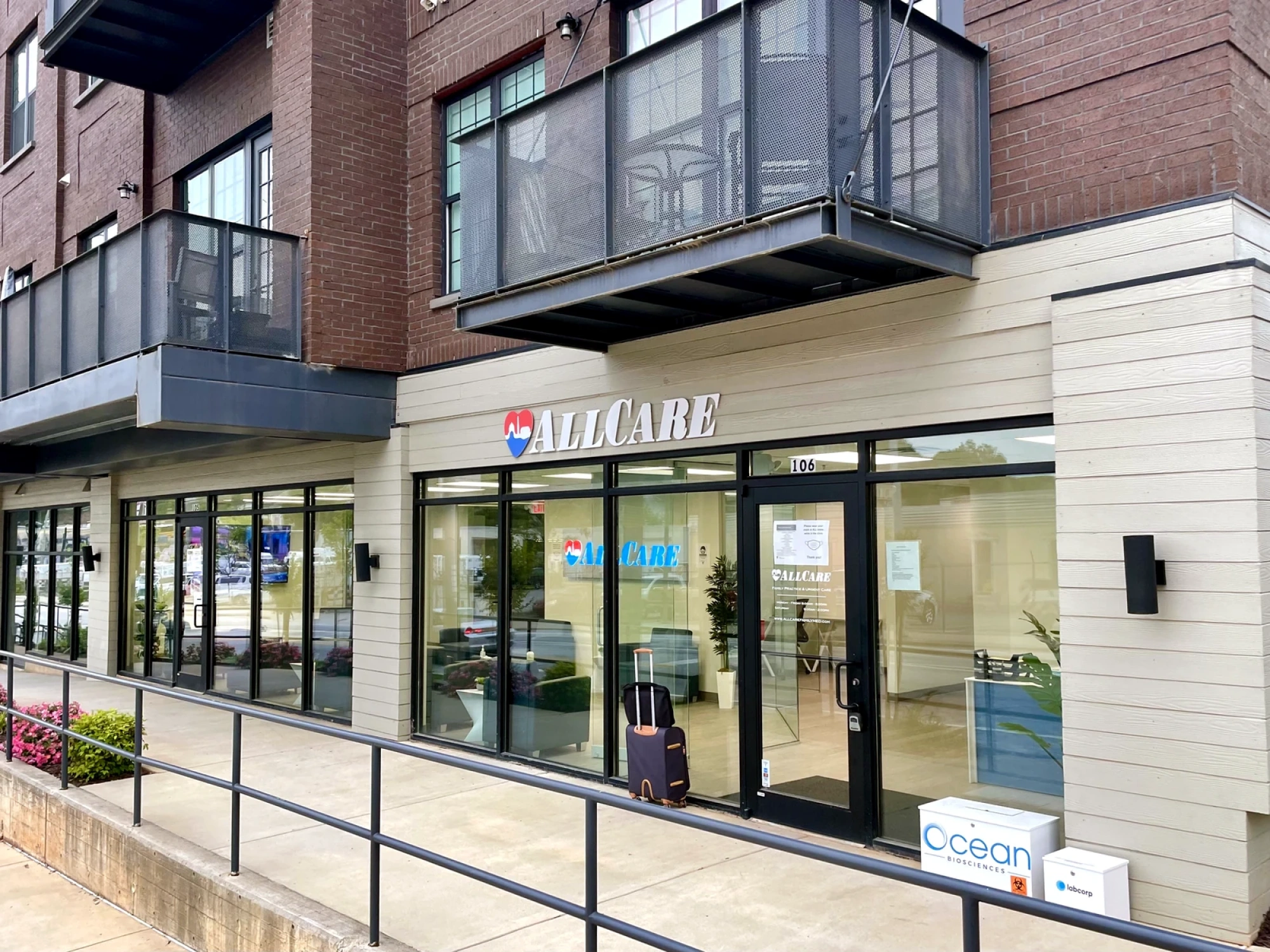
Reynoldstown
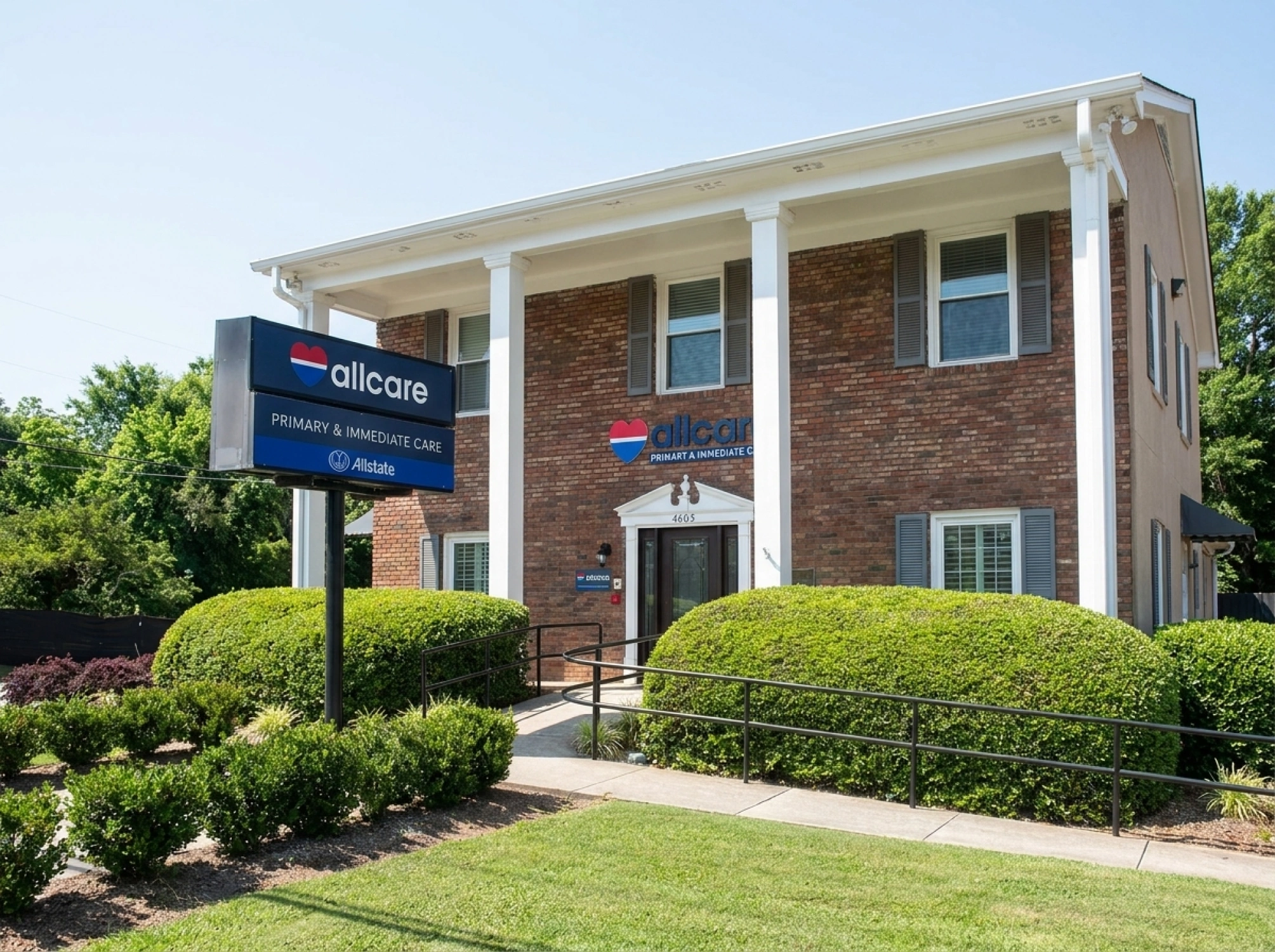
Buckhead
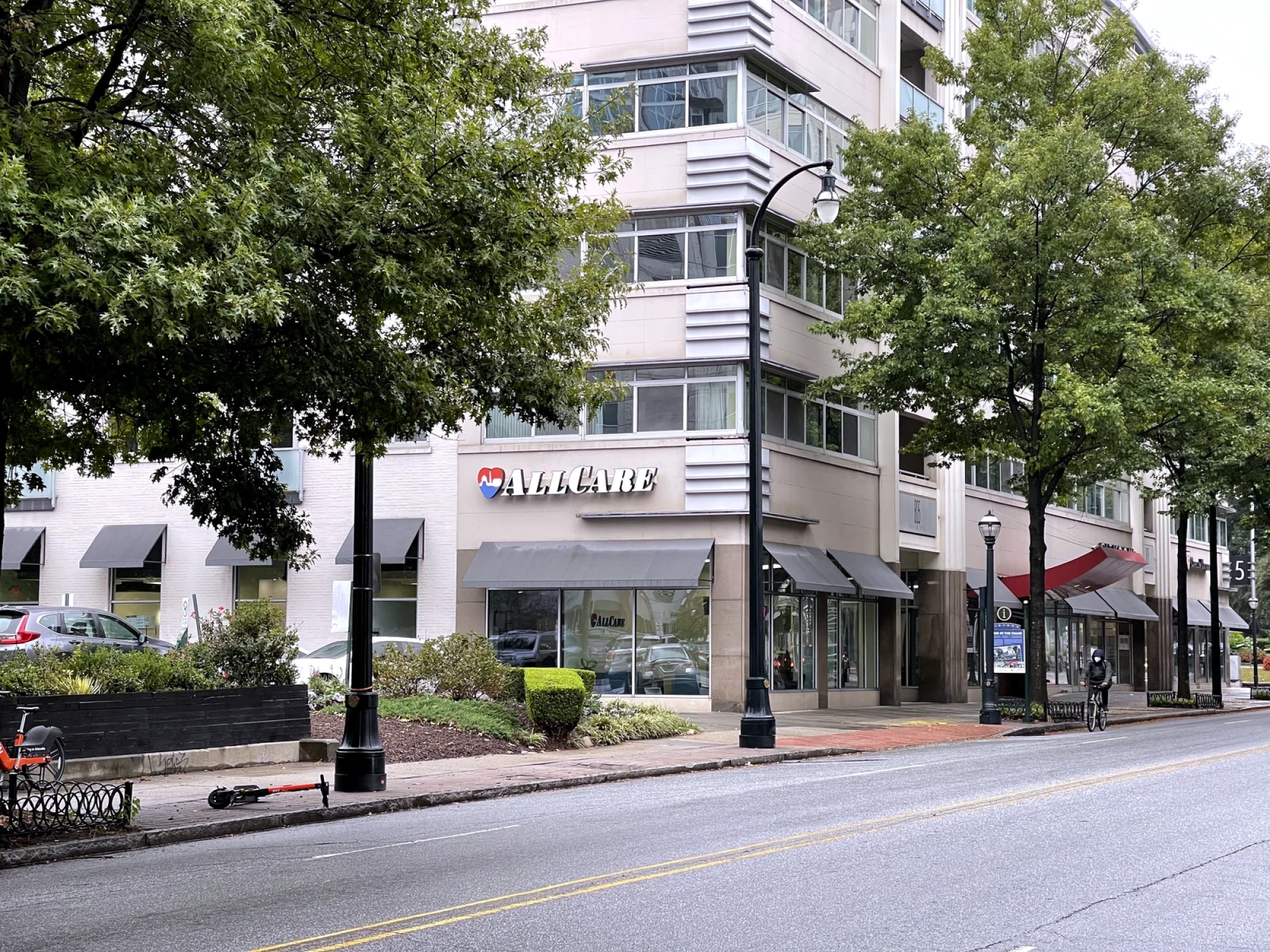
Midtown
Help from qualified providers & specialists
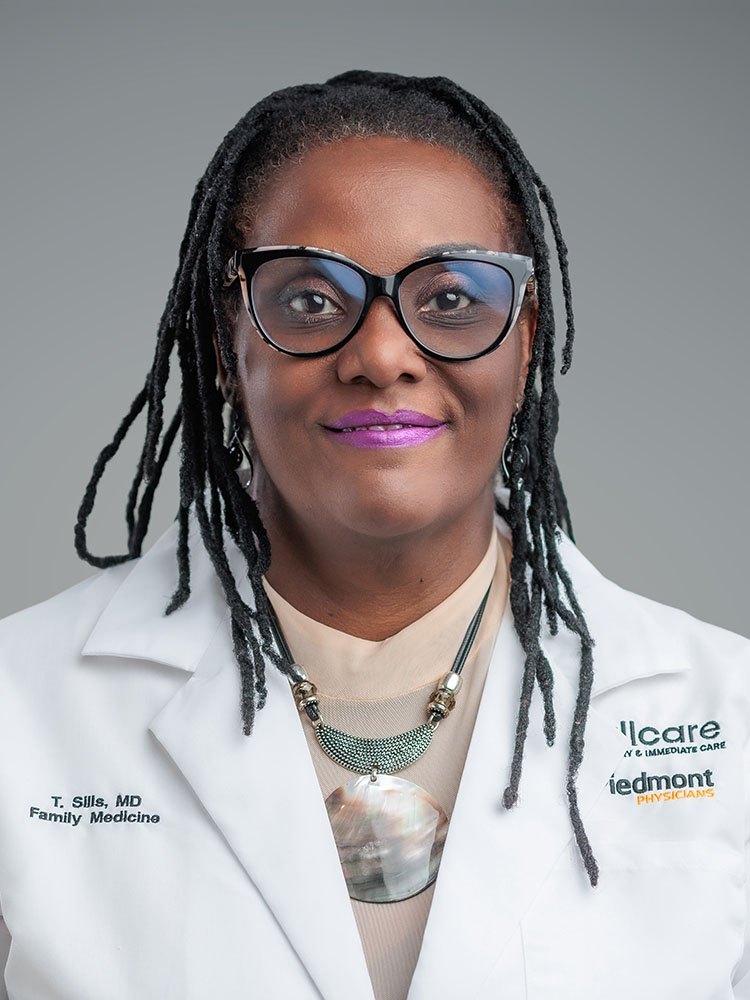
Tracey Sills
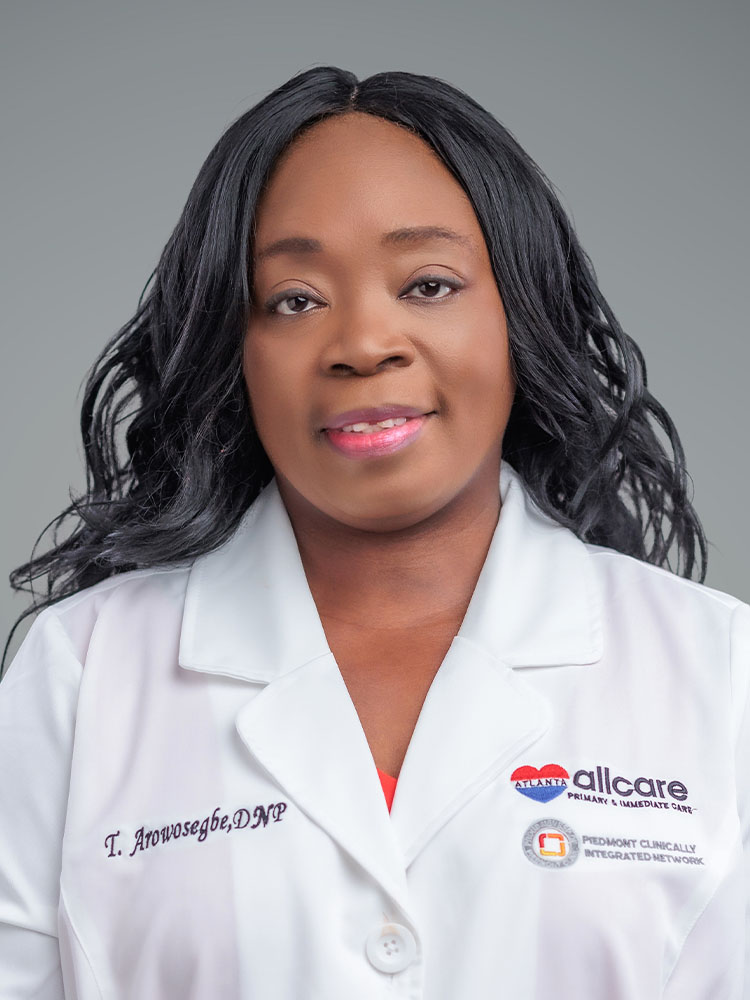
Tolu Arowosegbe
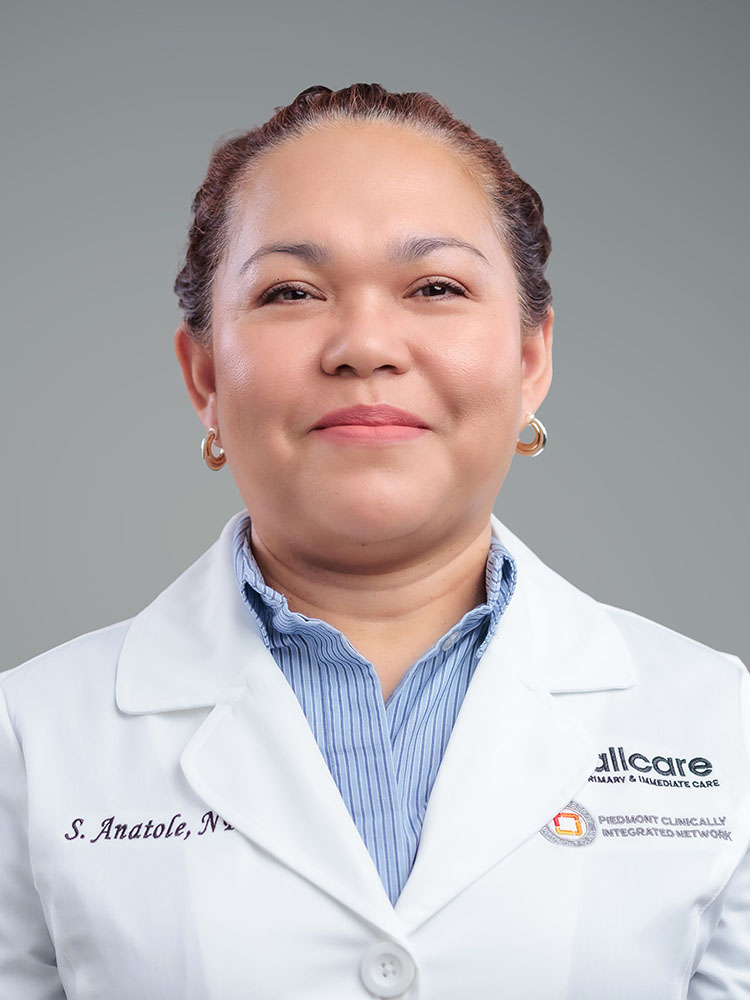
Sherlyne Anatole
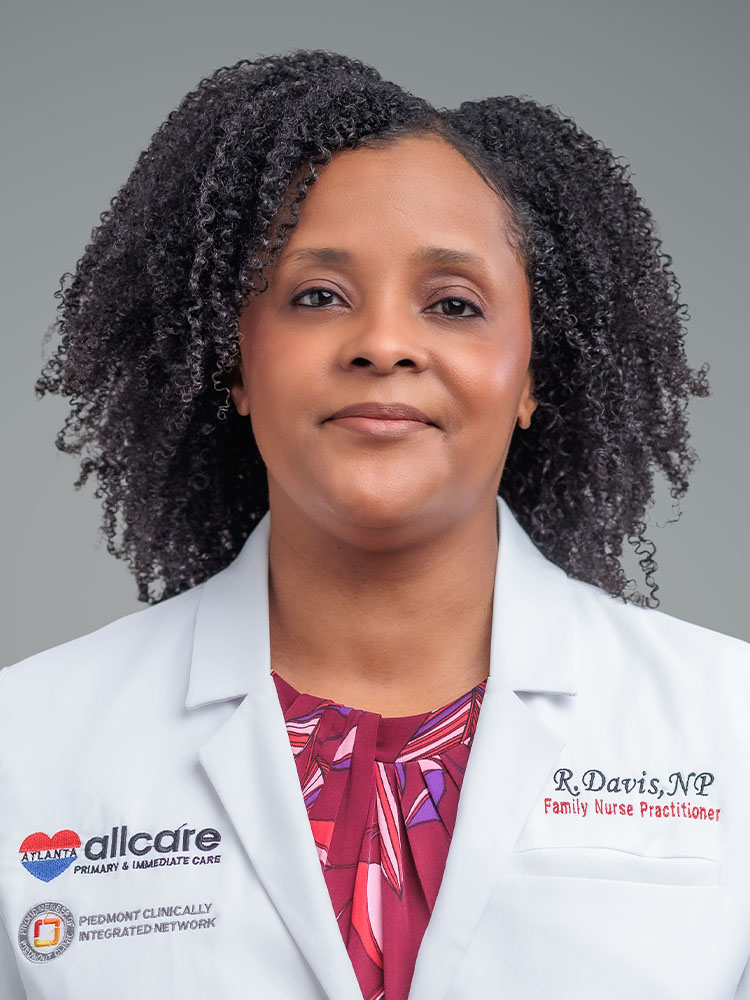
Regina Davis

FAQ
Common questions about food poisoning
How soon after food poisoning do you get sick?
It depends on the type of infection. Some bacterial toxins make you sick within a few hours, while others need time to grow in your system first. In some cases symptoms show up within a few days, and certain infections can take weeks to appear.
What are the symptoms of food poisoning?
Food poisoning usually brings on diarrhea, nausea and vomiting, and stomach cramps, sometimes with fever, headache, or weakness. How bad it gets depends on what caused it. If your symptoms are severe or stick around for several days, testing can pinpoint the bug behind it so you get the right treatment.
When to See a Doctor for Food Poisoning?
Seek medical attention if you experience any of the following: Dark urine, dry mouth, extreme thirst, or dizziness. A temperature above 101.5°F (38.6°C) could indicate a serious infection. Persistent vomiting or diarrhea lasting longer than 3 days. Bloody stool or vomit. Blurred vision, difficulty speaking, or muscle weakness. If you are pregnant, elderly, or have a weakened immune system, complications from food poisoning can escalate more quickly. Early diagnosis and treatment can prevent complications and promote a faster recovery.
What to Eat After Food Poisoning?
Recovering from food poisoning requires a gentle approach to eating to avoid further irritation. Start by staying hydrated with plenty of water, oral rehydration solutions, or clear broths to replace fluids lost from vomiting or diarrhea. Gradually introduce easily digestible foods such as plain rice, bananas, applesauce, toast, and crackers. Avoid spicy, fatty, or dairy-heavy foods until your symptoms have fully subsided. To help restore gut health, consider incorporating yogurt with live cultures or other probiotic-rich foods into your diet.
How Long Does Food Poisoning Last?
The duration of food poisoning depends on the contaminant. Mild cases, like those caused by Staphylococcus, may resolve within 24-48 hours. Moderate cases, such as Salmonella or E. coli infections, can last 4-7 days. Severe cases, including Listeria or parasitic infections, may persist for weeks or even longer , especially if untreated.
Is Food Poisoning Contagious?
Yes, some types of food poisoning can be highly contagious. Norovirus, for example, is easily spread through direct contact, touching contaminated surfaces, or consuming food prepared by an infected person. Practicing good hygiene, like washing hands thoroughly and cleaning surfaces, helps reduce the risk of spreading foodborne illnesses.
What Foods Are the Most Common Culprits for Food Poisoning?
Certain foods are more prone to contamination due to how they are grown, processed, or prepared. Common culprits include: Leafy Vegetables : Contaminated during growing or handling, often by waterborne bacteria like E. coli or Salmonella. Dairy Products : Raw or unpasteurized milk and cheese can harbor Listeria or Salmonella. Fruits and Nuts : Contamination can occur from improper washing or handling during processing. Poultry : A leading source of Campylobacter and Salmonella, especially when undercooked or mishandled. Vine/Stock Vegetables (e.g., tomatoes, cucumbers): These can be contaminated during irrigation or through improper washing. Beef and Pork: Undercooked meat may harbor E. coli or Salmonella. Eggs : Raw or improperly cooked eggs can carry Salmonella. Grains and Beans: Poor storage can lead to mold or toxin formation, such as aflatoxins. Root Vegetables (e.g., potatoes, carrots): Contamination often occurs from soil or handling during processing.
Always Nearby
15 urgent care clinics treating food poisoning
Braselton
1070 Braselton Village Parkway, Suite 100, Braselton, GA 30517
Trusted by thousands of customers
100% Everyone was amazing, friendly, professional, and generous with their time. like, old-fashioned house-call care...
Kelly
Northside
Fernando is extremely kind and asks all the questions. His staff is pleasant and thorough.
Austin
Midtown
Dr Dawson is amazing! Baker and staff are wonderful!
Rebecca
Dallas
Shay and Dr. Fernando were great, best urgent care experience I've had!
Grayson
Midtown

Get care today
Same-day care at 15 Atlanta locations. Walk in, book online, or start a virtual visit.
Use most insurance, self-pay, HSA, or FSA
Board-certified MD, PA, or NP every visit
Follow-up care at any location, no wait
Most major plans accepted: BlueCross, Aetna, Cigna, UnitedHealthcare, Humana, Kaiser, and more.