
Laryngitis Treatment in Georgia
Voice loss and hoarseness evaluated and treated at 15 Georgia clinics. Same-day appointments, no long specialist wait.
Most Insurance Accepted
FSA & HSA Accepted
Self-pay available





+ Others
Comprehensive laryngitis treatment nearby
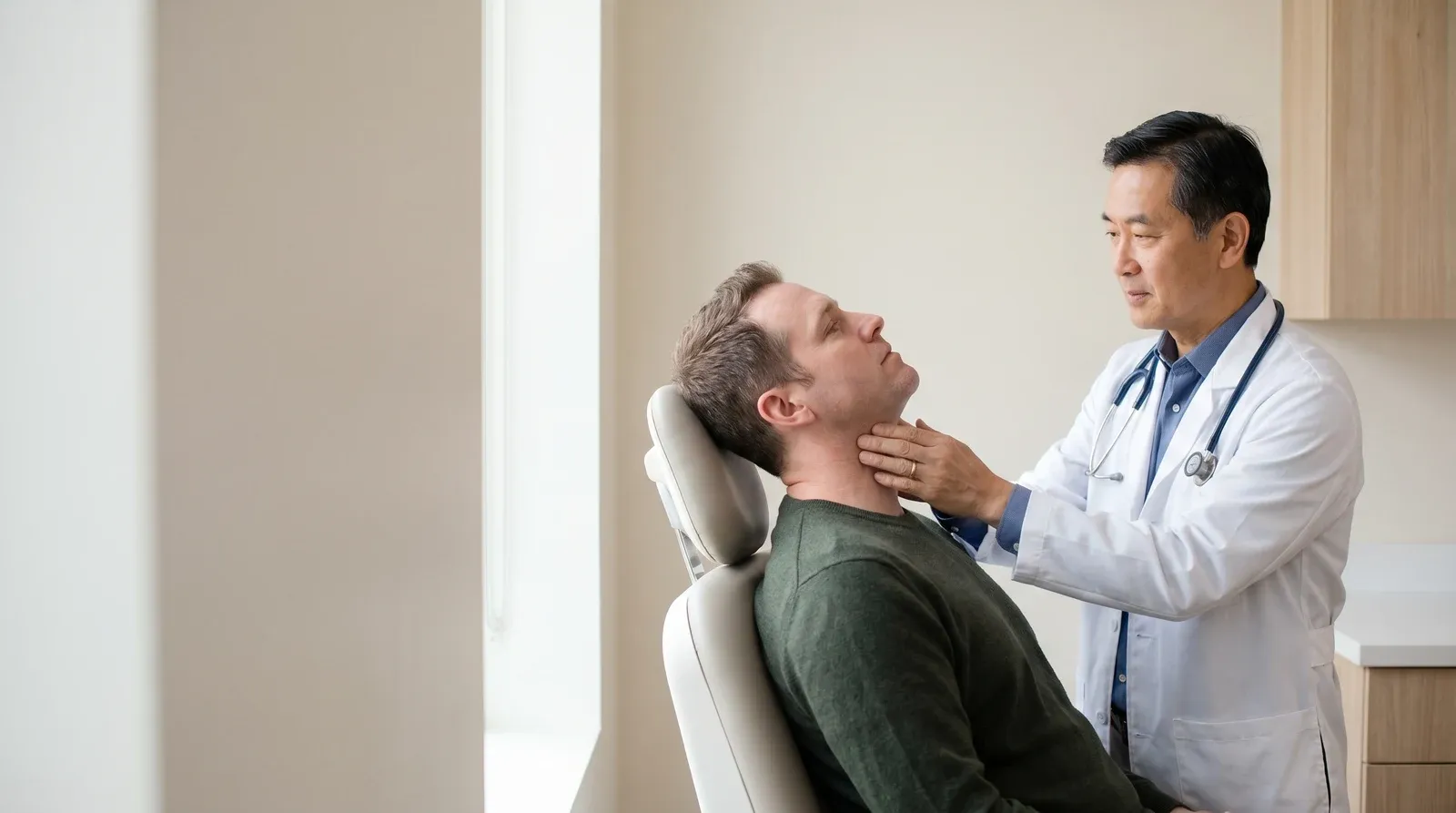
Laryngitis, including hoarseness and loss of voice, is evaluated and treated at AllCare's 15 Georgia clinics with same-day appointments and no long specialist wait. Self-pay starts at $140.

Throat Culture
A quick, painless swab checks for bacteria, with results in 2 to 3 days.
Throat Sprays and Gargles
Soothe irritation and reduce throat inflammation for temporary relief.
Antihistamines
Relieve laryngitis triggered by allergies.
Pain Relief Medications
Lozenges, pain relievers, and anti-inflammatories to ease discomfort.
Antifungal Medications
Treats fungal laryngitis, most often candida in immunocompromised patients.
Antibiotic Treatment
Clears bacterial laryngitis from a cold, flu, or COVID-19.

what to expect
Laryngitis treatment without the wait
Describe Your Symptoms
Get Examined
Start Treatment
15 Georgia clinics treating laryngitis

Braselton
Halcyon

Duluth
Hamilton Ridge

Ellard Village

Peachtree Plaza

Tyrone

Smyrna

Alpharetta

Decatur

Dallas
Northside

Reynoldstown
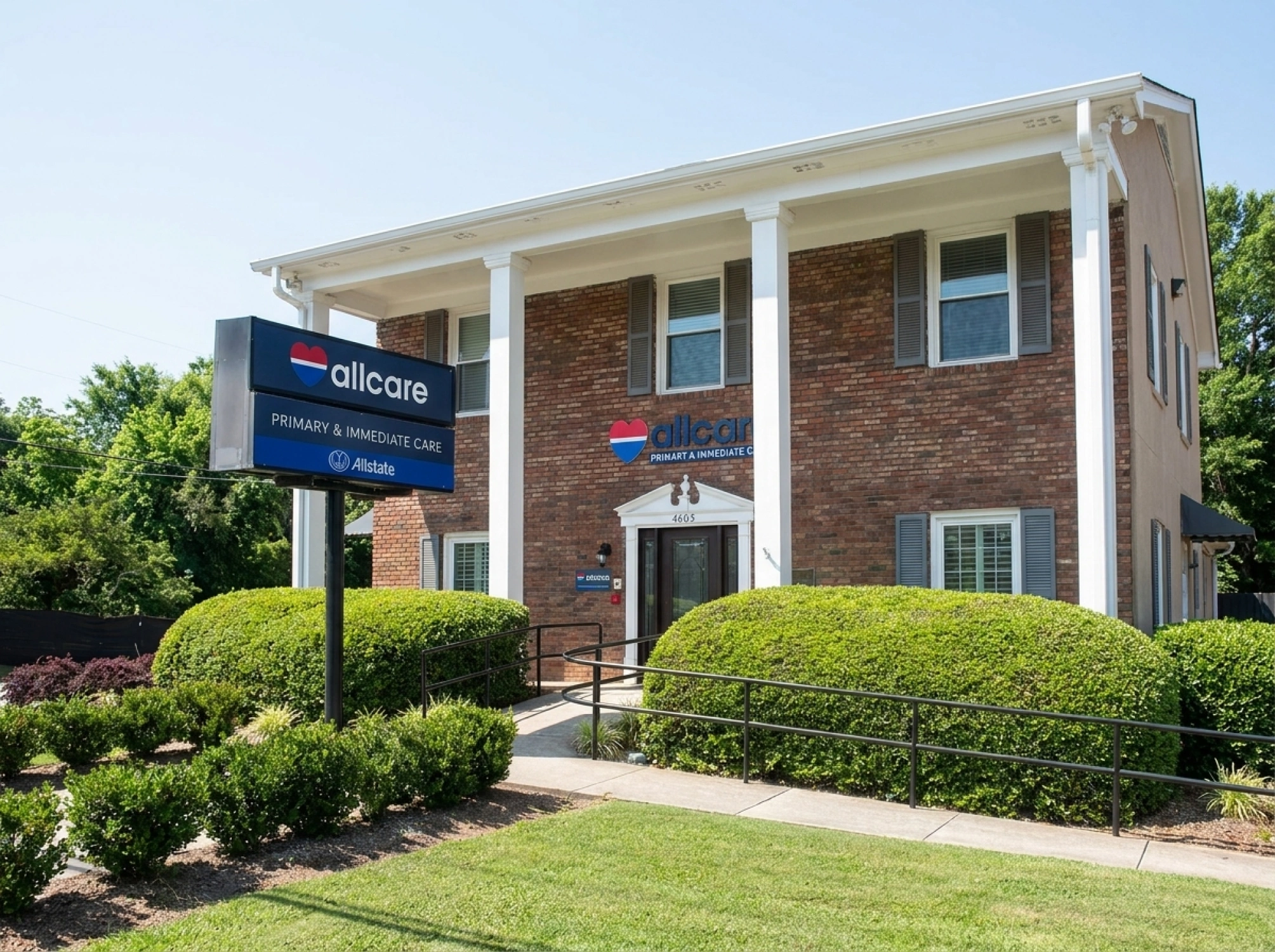
Buckhead

Midtown
Help from qualified providers & specialists

Tracey Sills

Tolu Arowosegbe
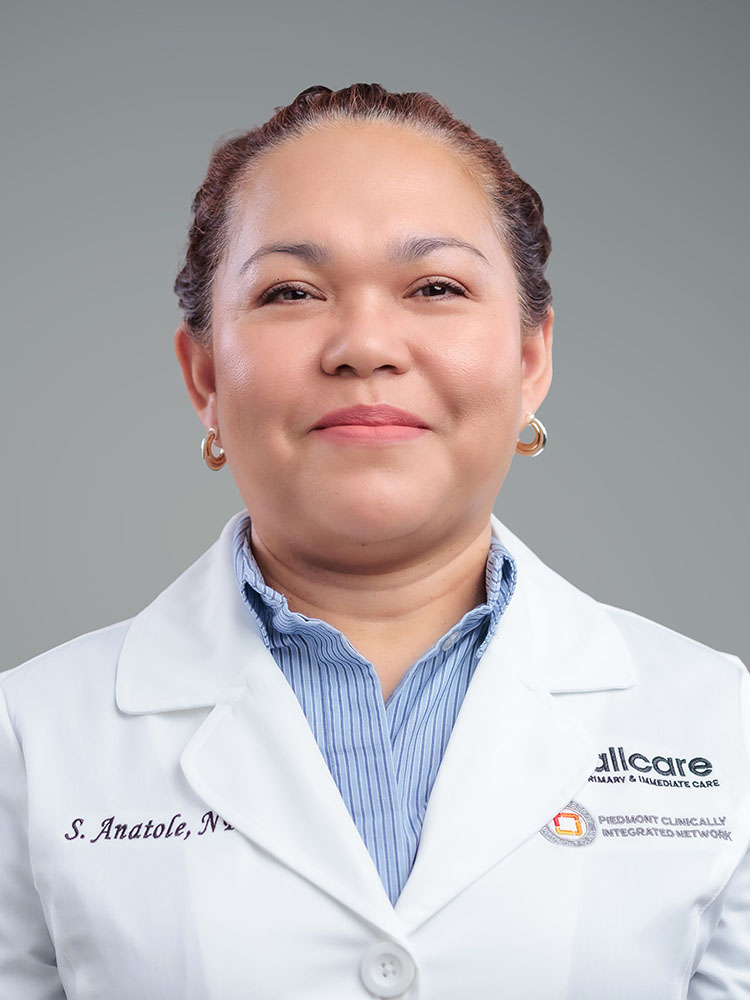
Sherlyne Anatole
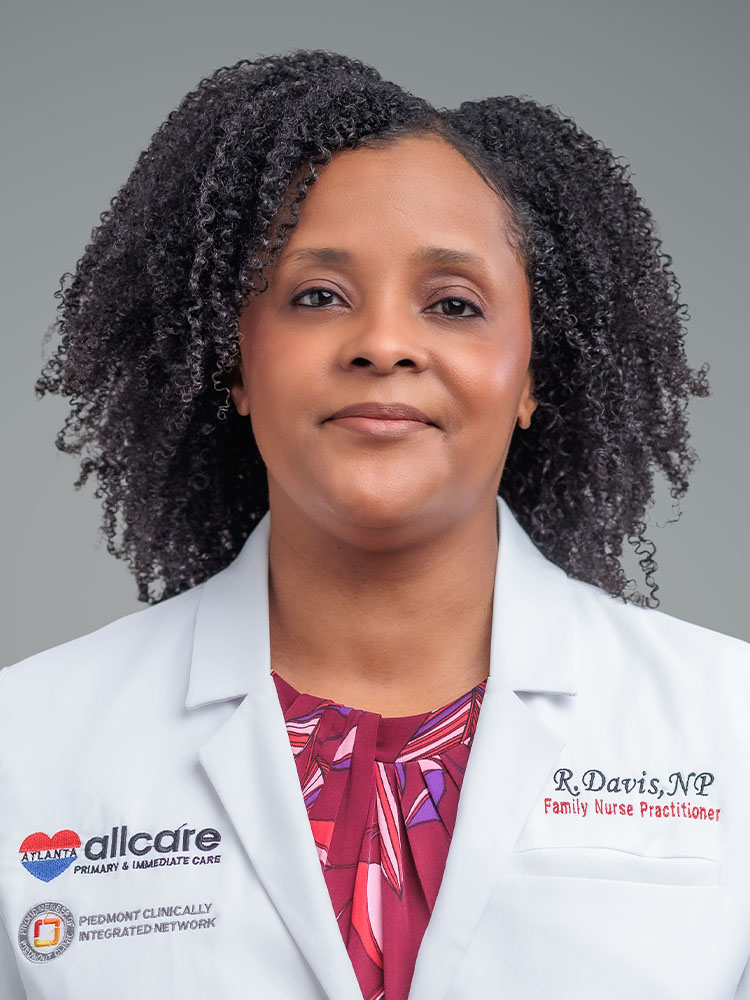
Regina Davis

FAQ
Common questions about laryngitis
How long does laryngitis last?
It depends on the type and how well your vocal cords get to heal. Acute laryngitis usually clears in a few days to a week, and resting your voice and staying hydrated speeds it along. Chronic laryngitis sticks around for weeks to months, often tied to ongoing irritants or another health issue worth getting checked.
What causes laryngitis?
Laryngitis is most often caused by a viral infection like a cold or flu that inflames your vocal cords and changes your voice. It can also come from overusing your voice or breathing in irritants like smoke, dust, or fumes. Acid reflux, inhaled medications, and smoking or vaping can play a part too.
How can I be sure it’s laryngitis and not something else?
Laryngitis can sometimes be mistaken for other conditions, as symptoms such as voice loss and hoarseness can overlap with various issues. Conditions like allergies, acid reflux, and vocal cord polyps can mimic laryngitis symptoms and lead to similar discomfort. To ensure an accurate diagnosis, it’s essential to consult with your healthcare provider. They can evaluate your symptoms, take your medical history, and perform a physical examination. In some cases, additional tests may be needed to determine if laryngitis is the underlying cause of your voice loss and hoarseness or if another condition may be at play. A proper diagnosis is key to receiving appropriate treatment and managing your symptoms effectively.
What should I do at home to treat laryngitis?
To alleviate the discomfort of laryngitis, there are several effective at-home treatments you can try. First and foremost, resting your voice is crucial, as this allows your vocal cords to heal properly. Aim to minimize talking, and when you do speak, try to do so softly. Staying hydrated is also vital; drinking plenty of water helps keep your throat moist and can soothe irritation. Additionally, using a humidifier in your home can add moisture to the air, which is especially helpful in dry environments or during winter months when indoor air tends to be drier. This moisture can ease throat discomfort and help reduce inflammation.
Are there different types of laryngitis?
There are two common types of laryngitis: acute and chronic. Acute laryngitis is often caused by a viral infection or temporary vocal strain. It usually resolves on its own and only lasts about three to seven days. Chronic laryngitis is a long-term condition that lasts more than three weeks. It can be caused by smoking, overuse of your voice, alcohol overindulgence, allergies, or autoimmune disorders. To treat chronic laryngitis, you need to address and treat the underlying cause.
Can sleeping with your mouth open cause laryngitis?
Yes, sleeping with your mouth open can contribute to laryngitis. Here’s how it happens: Dryness : When you sleep with your mouth open, the air can dry out your throat and vocal cords. This dryness can lead to irritation and inflammation, increasing the risk of laryngitis. Increased Irritation : Open-mouth breathing can expose the larynx to irritants such as dust, allergens, or pollutants in the air, which can exacerbate or lead to inflammation. Mouth Breathing and Sleep Apnea : Individuals who breathe through their mouths while sleeping, especially those with sleep apnea, may experience repeated interruptions in breathing that can irritate the throat and contribute to laryngeal inflammation. Dehydration : Mouth breathing can lead to dehydration, which further aggravates throat irritation and may make the vocal cords more susceptible to inflammation. To mitigate these risks, consider using a humidifier in your bedroom, staying well-hydrated, and practicing nasal breathing techniques if possible. If you regularly sleep with your mouth open, it might be beneficial to consult a healthcare provider to explore potential underlying issues, such as nasal congestion or sleep apnea.
How do you diagnose laryngitis?
During your visit, your doctor will begin by conducting a physical examination to assess your overall health. This exam will typically include an assessment of your throat, neck, and possibly other areas relevant to your symptoms. To gain a more detailed view of your larynx, your doctor may perform a procedure known as laryngoscopy. This procedure involves using a laryngoscope, which is a small, flexible tube equipped with a light and camera. The laryngoscope allows the doctor to examine the back of your throat and the vocal cords directly, identifying any signs of swelling, redness, or lesions. This examination can help in diagnosing the specific cause of your laryngitis, whether it be viral or bacterial infection, irritants, or other underlying health conditions.
Always Nearby
15 Georgia clinics treating laryngitis
Braselton
1070 Braselton Village Parkway, Suite 100, Braselton, GA 30517
Trusted by thousands of customers
After being in Atlanta for 6 years, I have a home!! Love LOVE LOVE 💕 Dr.
Monica
Peachtree Plaza
My online visits with the doctors at AllCare are always quick and easy. Just what I want when I don't feel well, so I can feel better soon.
Leigh
Buckhead
Fast forward a couple of days and unfortunately wasn't able to get the medicine, out of stock. He was very friendly, I didn't have to wait long and got fully diagnosed.
Chynna
Midtown
I made an appointment and showed up early, they took me in right away. I highly recommend this place!
Ryan
Midtown
Related care

Get care today
Same-day care at 15 Atlanta locations. Walk in, book online, or start a virtual visit.
Use most insurance, self-pay, HSA, or FSA
Board-certified MD, PA, or NP every visit
Follow-up care at any location, no wait
Most major plans accepted: BlueCross, Aetna, Cigna, UnitedHealthcare, Humana, Kaiser, and more.