
Menopause Management in Georgia
Hot flashes, night sweats, mood changes, and sleep issues treated at 15 Georgia clinics. Hormone and non-hormone options available.

Most Insurance Accepted
FSA & HSA Accepted
Self-pay available





+ Others
Comprehensive menopause care nearby
Menopause symptoms, including hot flashes, night sweats, and mood and sleep changes, are managed with hormone and non-hormone options at AllCare's 15 Georgia clinics. Book an appointment; self-pay starts at $140.

Menopause Supplements & Menopause Medication
Hormone therapy, vaginal estrogen, and vitamins to ease symptoms.
Osteoporosis
Bone density screening and steps to reduce fracture risk.
Perimenopause Treatment
Bone screenings, hormone therapy, and lifestyle support for relief.
Blood Tests
Detect hormone shifts and rule out conditions like an overactive thyroid.
Menopause Test
Testing to confirm menopause and rule out conditions with similar symptoms.
Menopause Treatment
Personalized care for hot flashes, mood changes, and hormonal shifts.

what to expect
Menopause treatment without the wait
Map Your Symptoms
Weigh Your Options
Adjust Over Time
15 Georgia clinics treating menopause symptoms

Braselton

Halcyon

Duluth

Hamilton Ridge
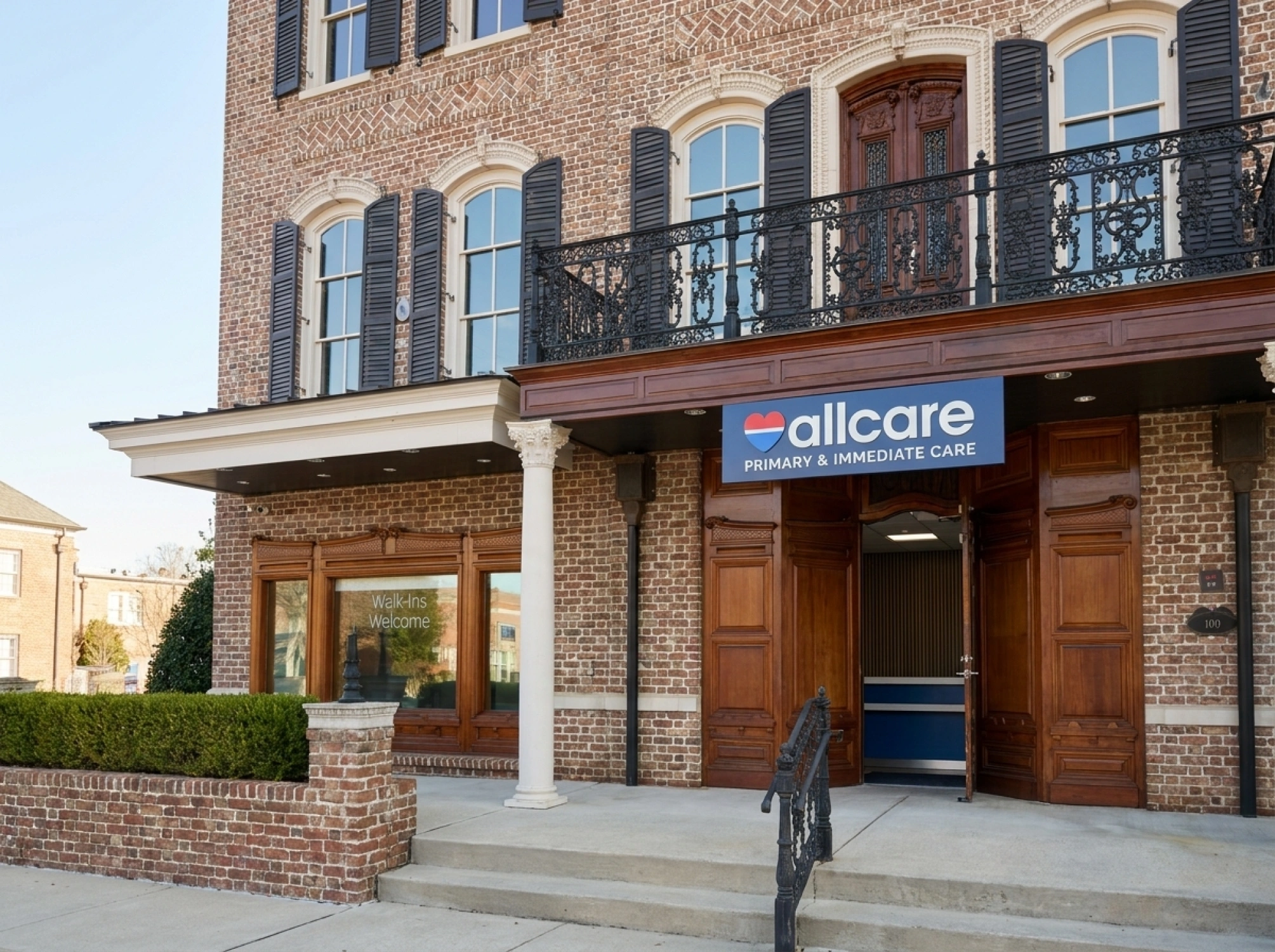
Ellard Village

Peachtree Plaza
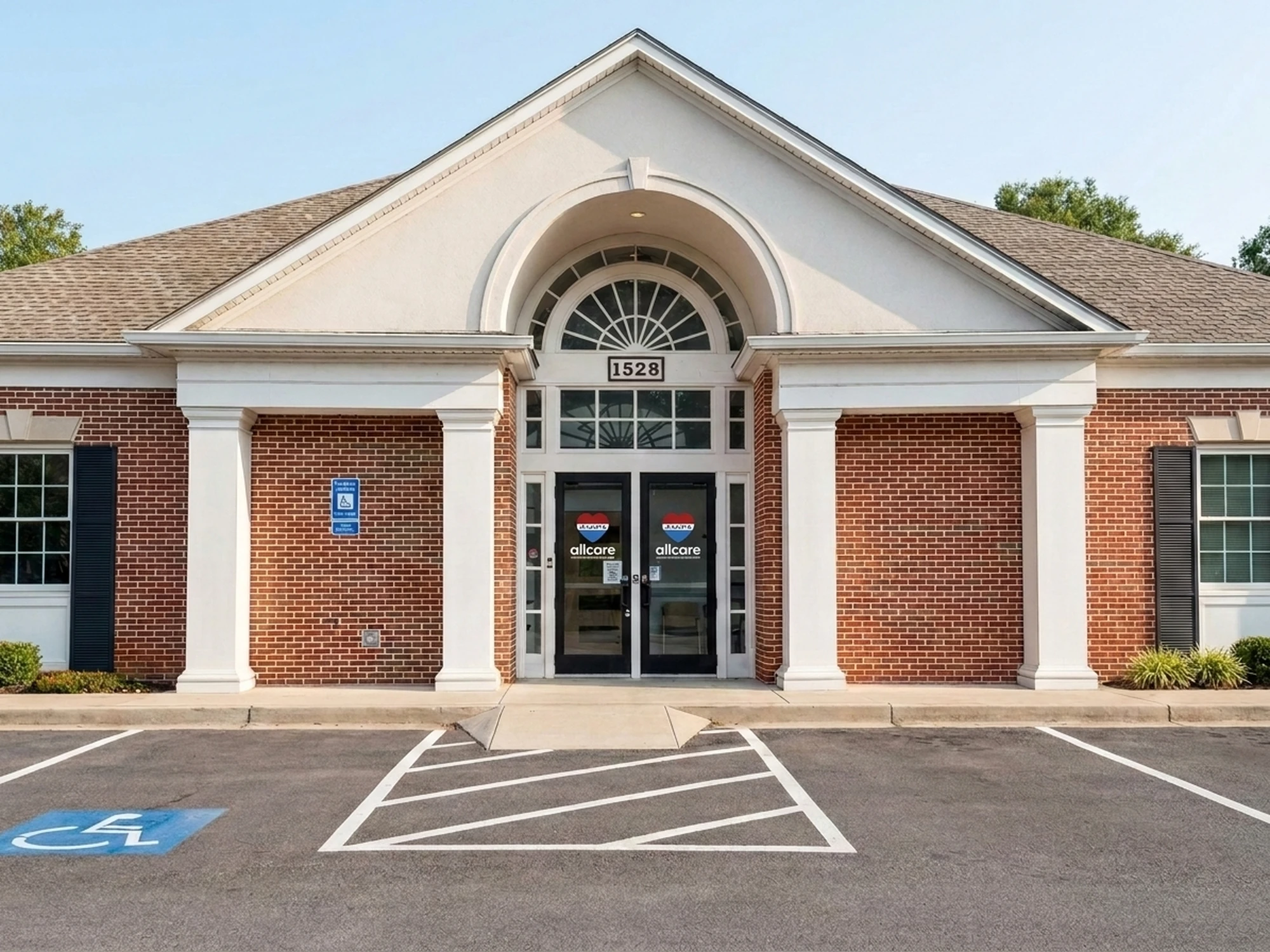
Tyrone

Smyrna

Alpharetta

Decatur

Dallas
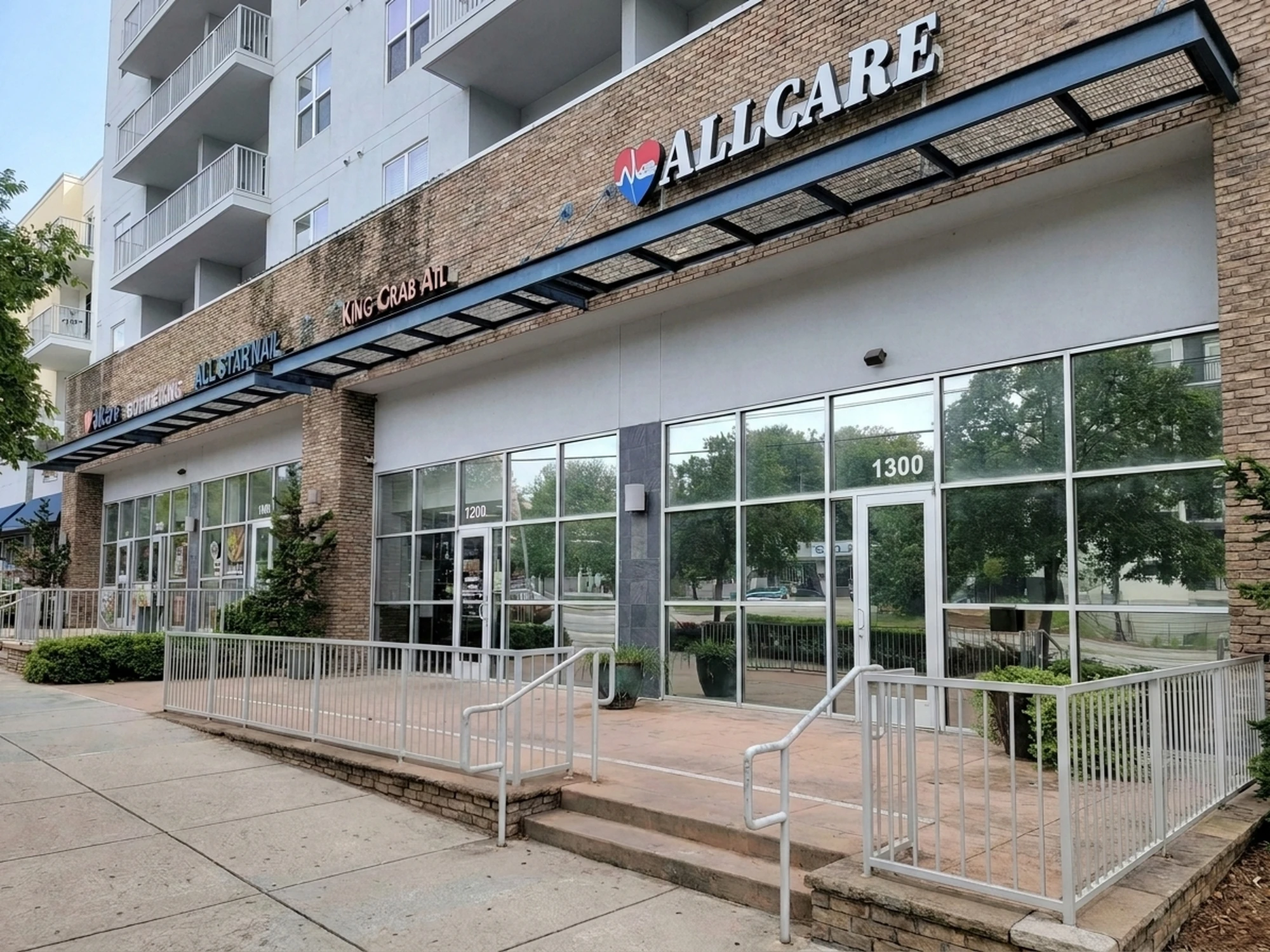
Northside
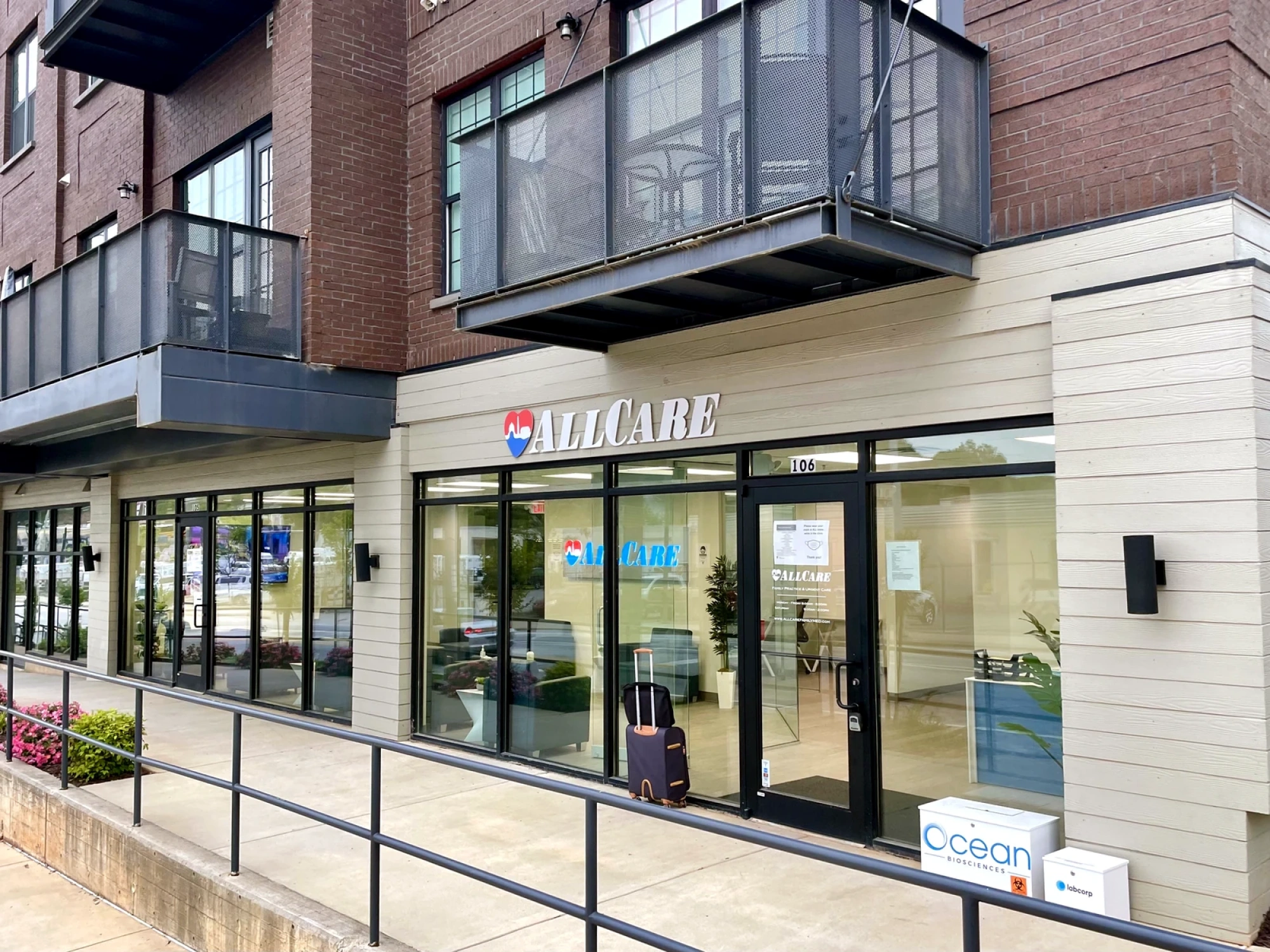
Reynoldstown
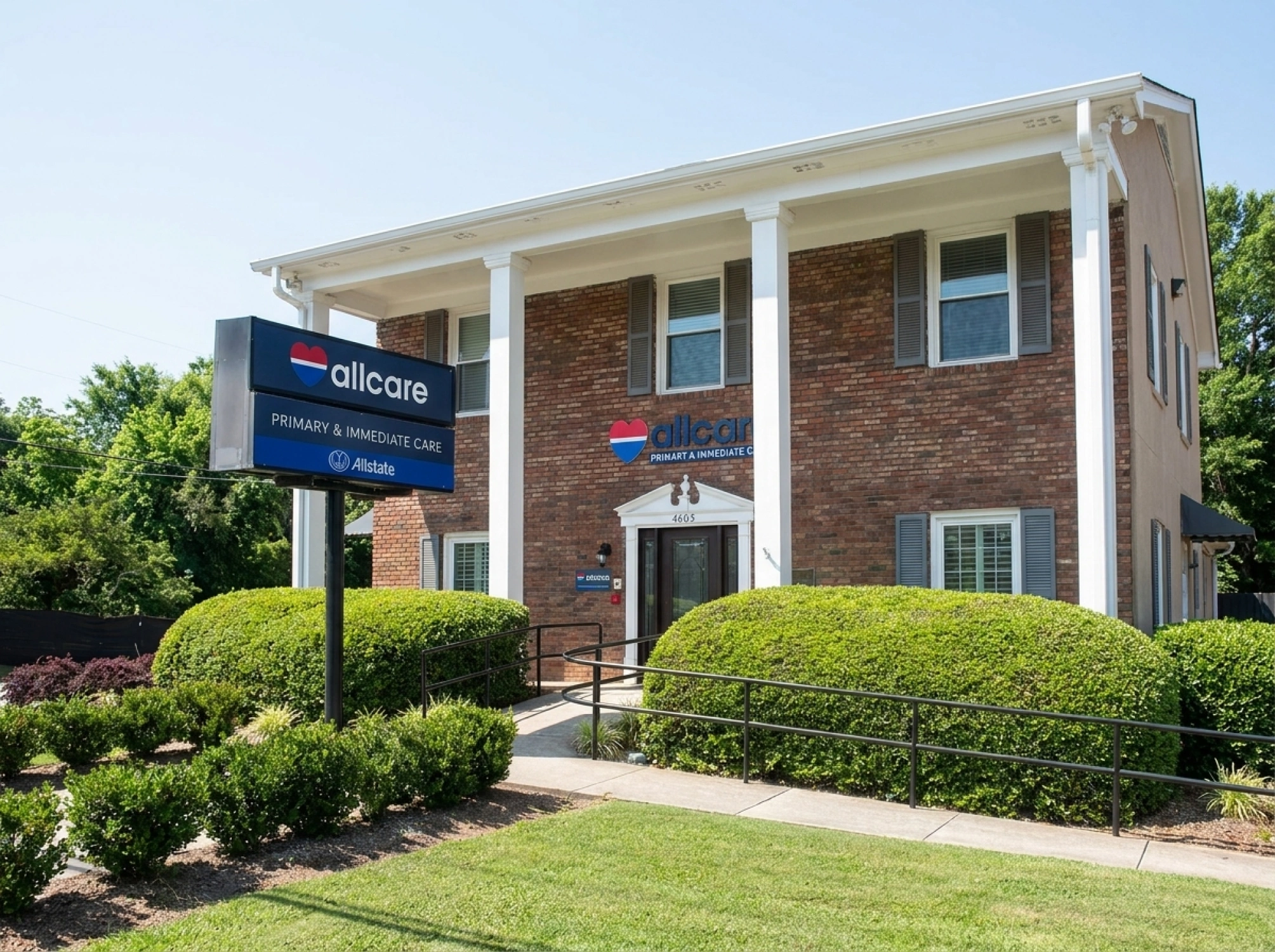
Buckhead

Midtown
Help from qualified providers & specialists
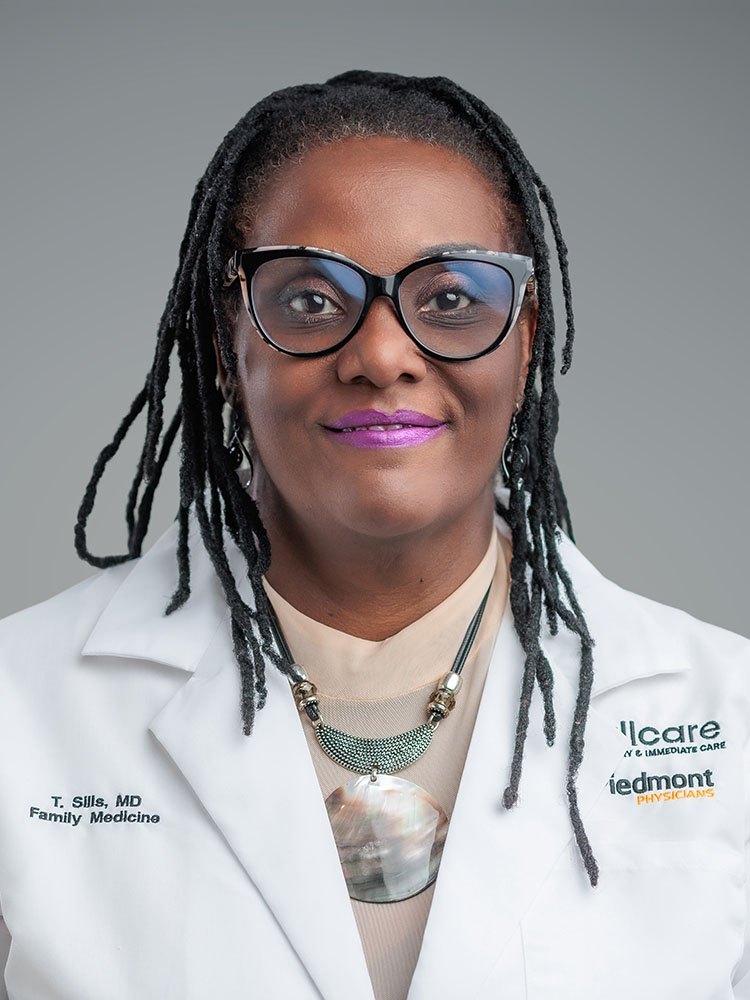
Tracey Sills
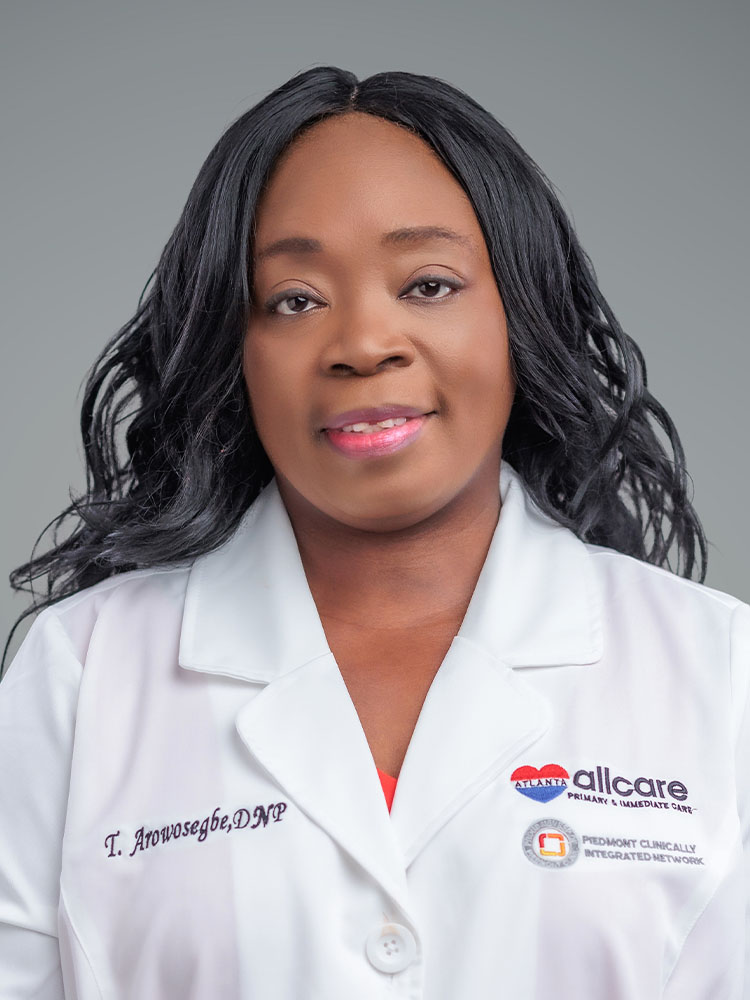
Tolu Arowosegbe
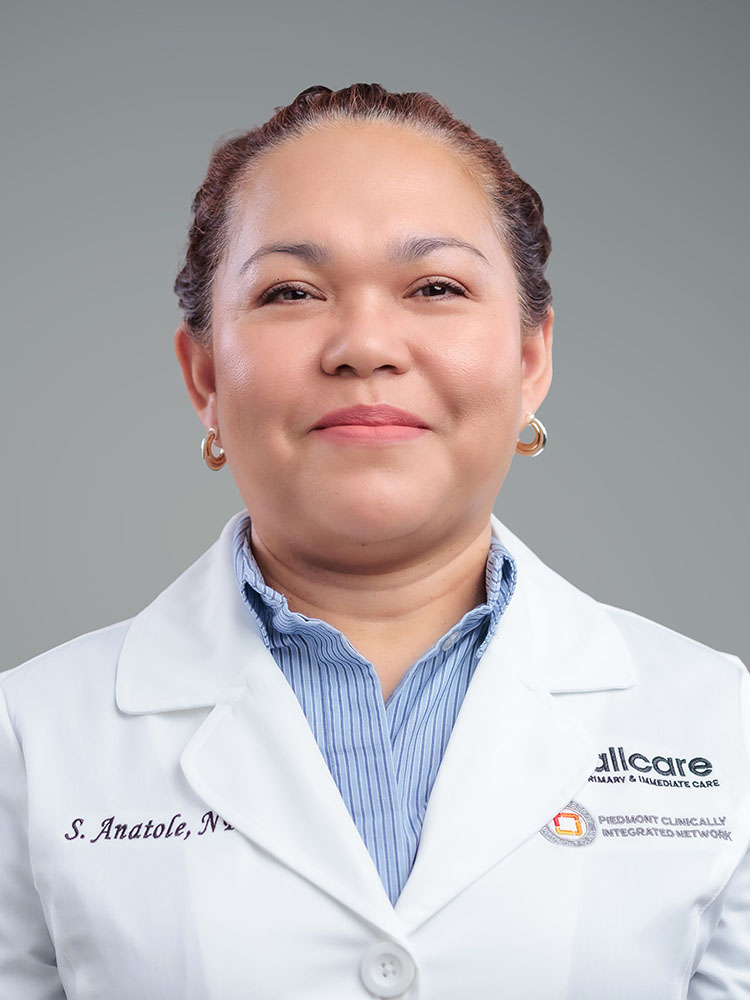
Sherlyne Anatole
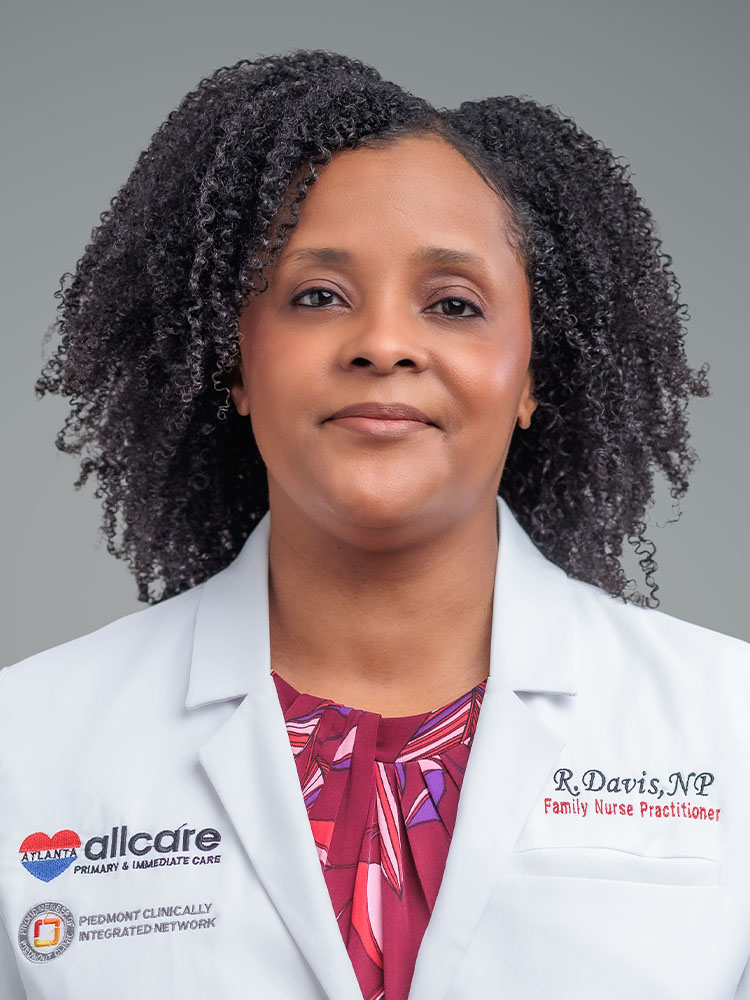
Regina Davis

FAQ
Common questions about menopause
What are the stages of menopause?
Menopause unfolds in three stages. Perimenopause is the transition, often starting in your 40s, with irregular periods and hot flashes. Menopause is marked by 12 months without a period, usually around age 51. Postmenopause is the years after, when hormone levels stay low and bone and heart health matter more.
When should I see a doctor to help manage my menopause symptoms?
It’s important to talk with your doctor if you have any questions about the symptoms you may be having, especially if they are affecting your ability to do everyday activities. You should also contact your doctor if you experience bleeding after menopause, which could have many causes, including vaginal atrophy, fibroids, a thickening of the uterine lining, also known as endometrial hyperplasia, or certain types of cancer.
How long does menopause last?
More intense symptoms, especially during perimenopause, can last six months to two years. Even after you have not had a period for 12 months, you may still experience symptoms, although they should be milder.
How can I get relief from hot flashes?
A decrease in estrogen causes your body temperature to fluctuate—sometimes wildly. For some, hormone therapy can provide relief, but it’s important to speak with your doctor to determine if the benefits outweigh the risks. You can also try some practical ways to reduce your hot flashes, like: Dressing in layers so you can easily remove clothing when a hot flash begins Avoiding spicy foods, caffeine, alcohol, and other foods and beverages that may raise your body temperature Reducing stress levels Drinking cold water or fruit juice when a hot flash starts Keep an ice pack or a thermos of ice water next to your bed at night Wear cotton clothing and use cotton sheets or other materials that allow your skin to breathe Keep a journal of your symptoms to help identify triggers
What are some common symptoms of menopause?
While there are many different menopause symptoms, they vary between women. Some have fewer and less severe symptoms, while others have symptoms that disrupt their daily lives. Some of the most common menopause symptoms include: Hot flashes Night sweats Anxiety Vaginal atrophy Urinary incontinence Heart palpitations Excess facial hair growth Mood changes, including depression and irritability Brain fog Sleep disturbances
When does menopause start?
Menopause can begin anytime between the ages of 30 and 60, with 51 or 52 being the average age. In addition to natural menopause, it can also occur due to a medical or surgical procedure, including: Premature menopause usually occurs before the age of 40 and is known as primary ovarian insufficiency. Some causes of premature menopause include smoking and exposure to radiation or chemotherapy that damages the ovaries. Surgical menopause is the result of the removal of one or both ovaries or after radiation to the pelvis, which can damage the ovaries. Women who have had surgical menopause may experience more severe and sudden symptoms versus those who undergo menopause naturally.
Always Nearby
15 Georgia clinics treating menopause symptoms
Braselton
1070 Braselton Village Parkway, Suite 100, Braselton, GA 30517
Trusted by thousands of customers
The nurse practitioner was very knowledgeable!!!! A+ +++!
Sos
Reynoldstown
Tolulope Arowosegbe was so nice and attentive and really took the time to listen to me. I did not feel rushed and she was really kind and understanding of all my pain and aches.
Project
Reynoldstown
Dr Russel is an excellent PCP. I am very pleased with her care and referrals.
Laurie
Duluth
Very knowledgeable. I felt the NP took the time to really figure out what was going on.
Anna
Buckhead


Get care today
Same-day care at 15 Atlanta locations. Walk in, book online, or start a virtual visit.
Use most insurance, self-pay, HSA, or FSA
Board-certified MD, PA, or NP every visit
Follow-up care at any location, no wait
Most major plans accepted: BlueCross, Aetna, Cigna, UnitedHealthcare, Humana, Kaiser, and more.