
Minor Skin Infections Treatment
Cellulitis, impetigo, and infected wounds treated at 15 Georgia walk-in clinics. Antibiotics prescribed same day, before it spreads.

Most Insurance Accepted
FSA & HSA Accepted
Self-pay available





+ Others
Comprehensive skin infection treatment nearby
Minor skin infections like cellulitis, impetigo, and infected wounds are evaluated and treated with same-day antibiotics at AllCare's 15 Georgia walk-in clinics before they spread. Walk in with no appointment, and self-pay visits start at $140.

Follow-up Care
A follow-up visit or dermatology referral for complex cases.
Abscess Drainage
Most abscesses are drained in a simple in-office procedure.
Skin Infection Medication
Oral or topical antibiotics, or antifungals for fungal infections.
Infection Testing
We examine the area and may sample drainage to identify the infection.

what to expect
Skin infection treatment without the wait
Walk Right In
Get The Diagnosis
Start Treatment
15 urgent care clinics treating skin infections

Braselton
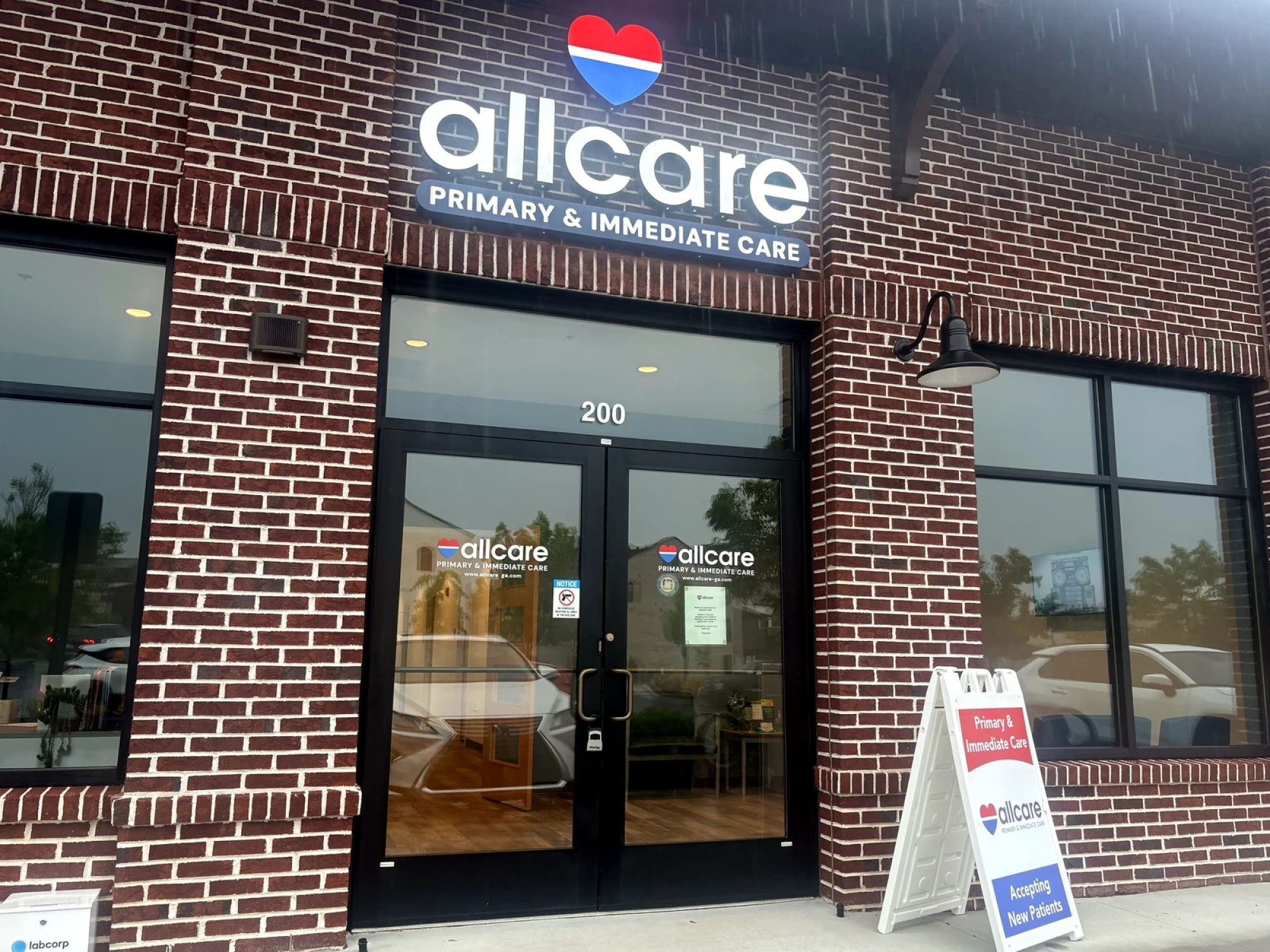
Halcyon
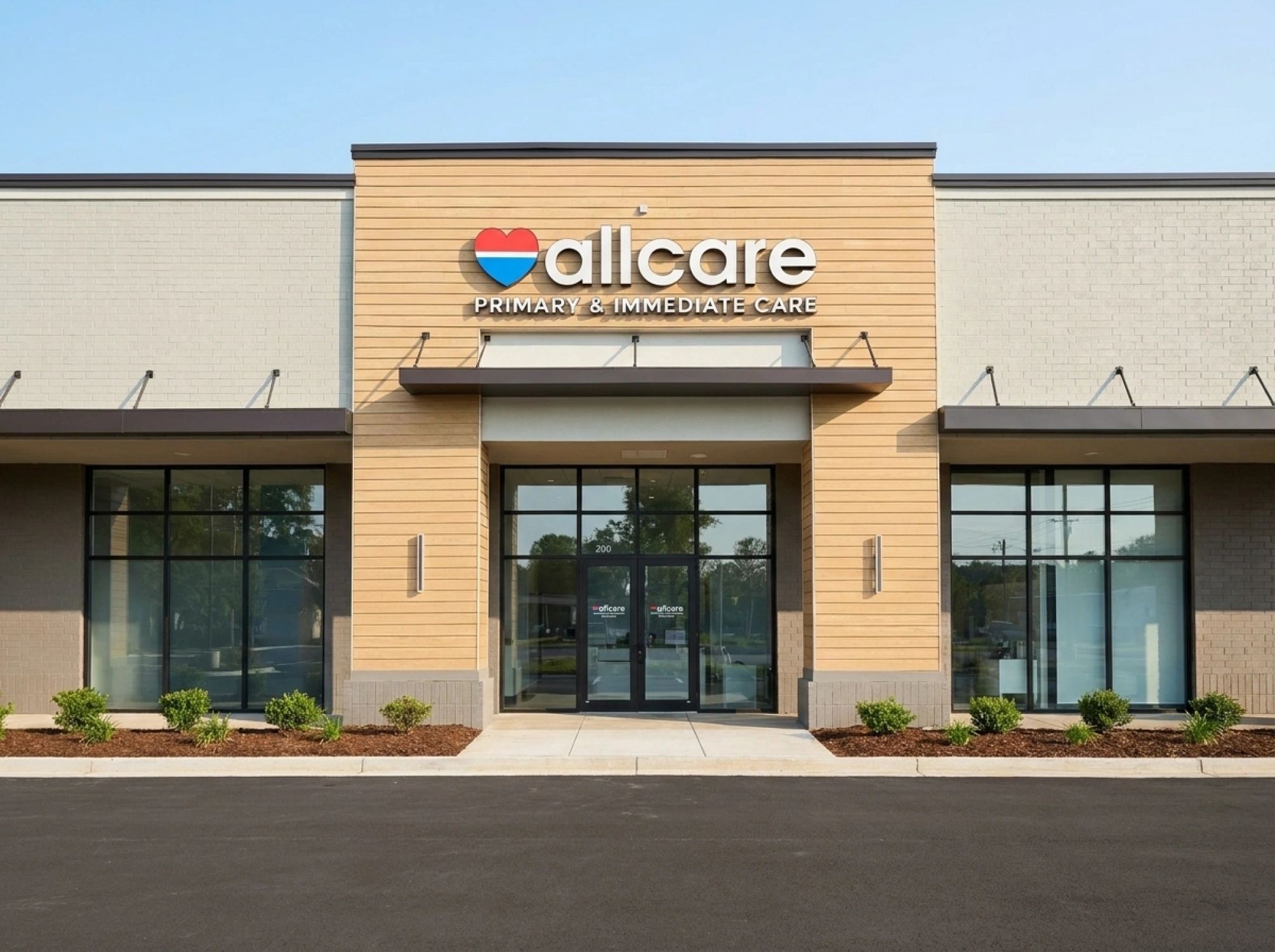
Duluth

Hamilton Ridge
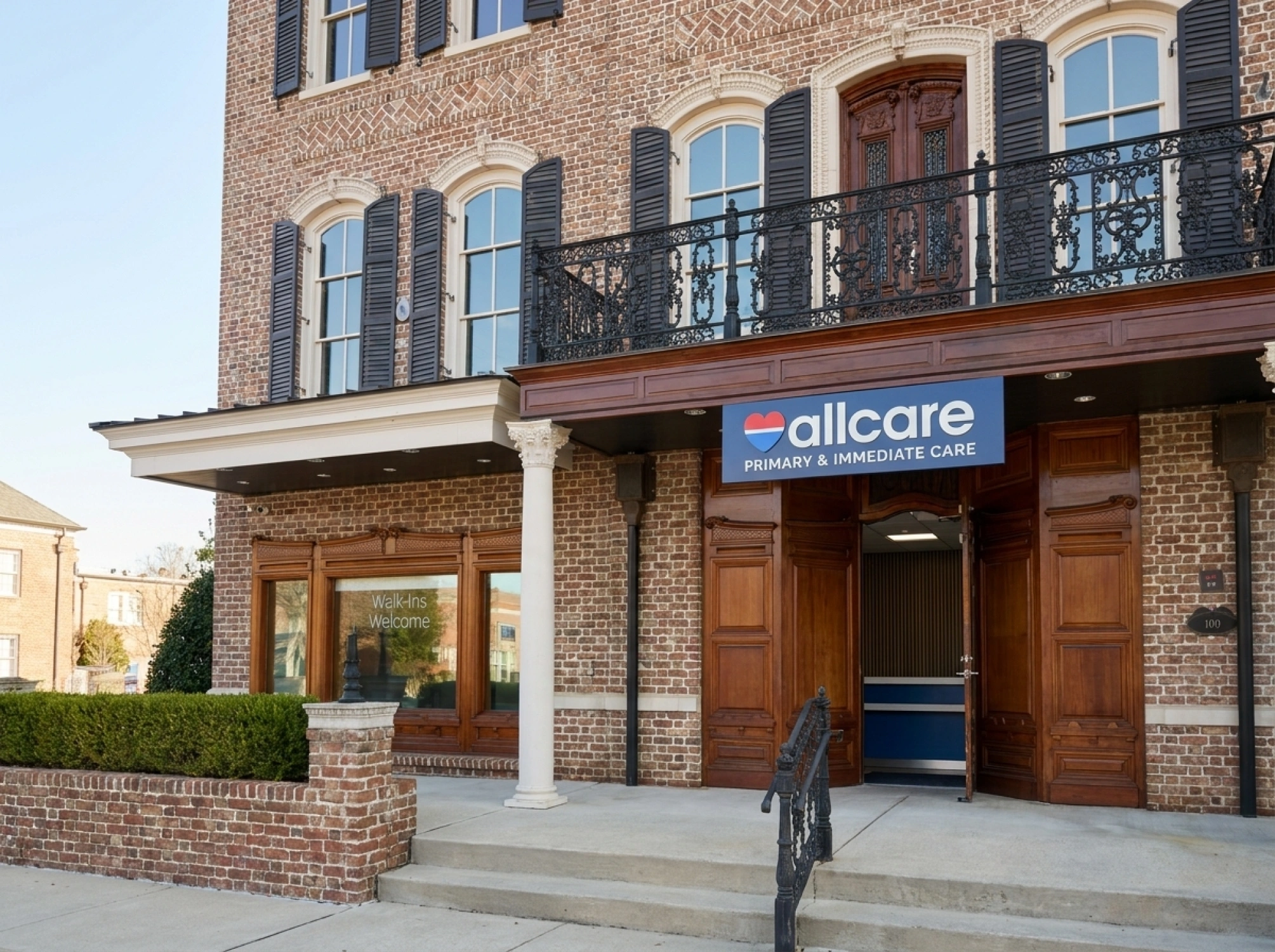
Ellard Village

Peachtree Plaza

Tyrone

Smyrna

Alpharetta
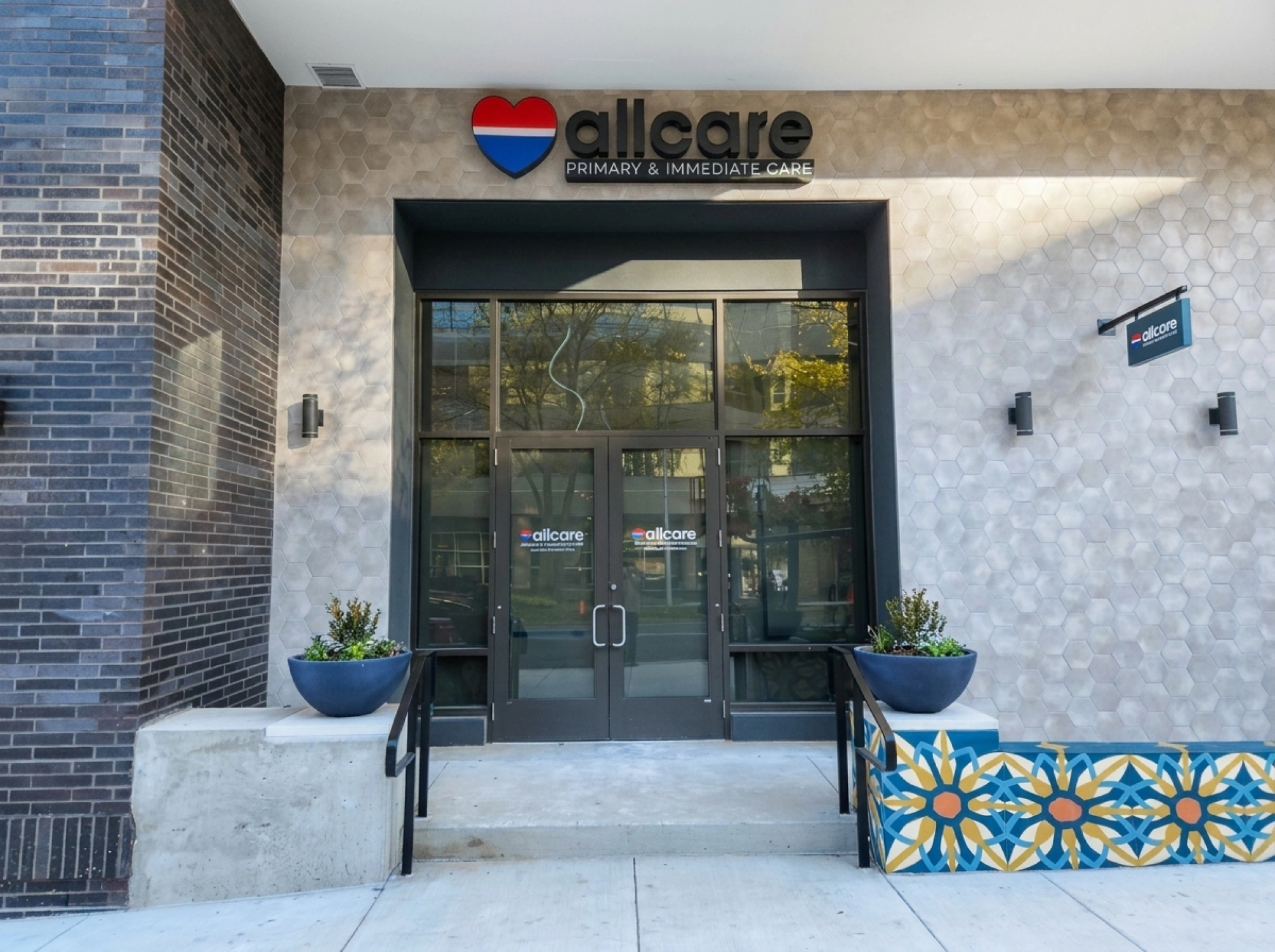
Decatur

Dallas
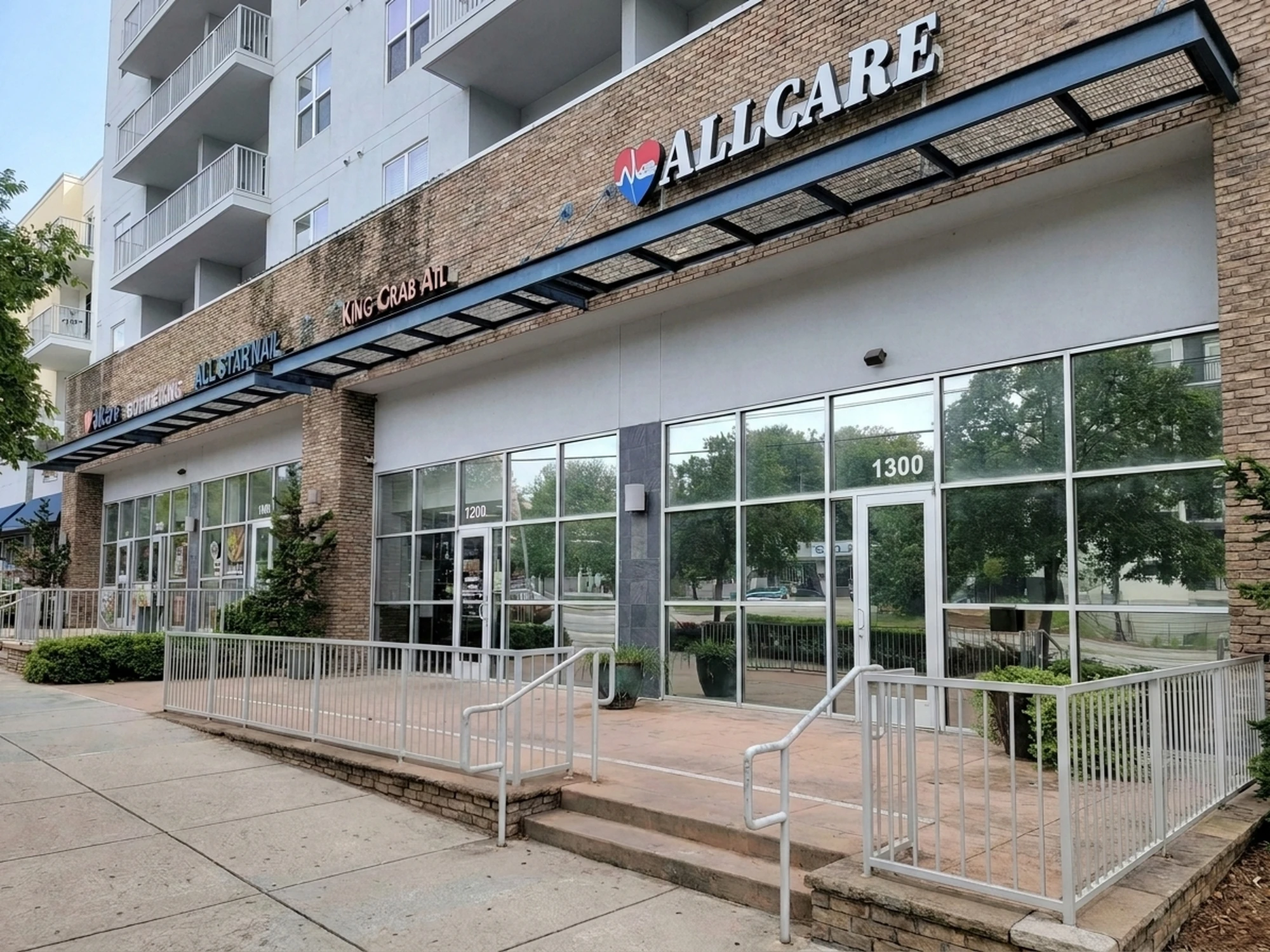
Northside
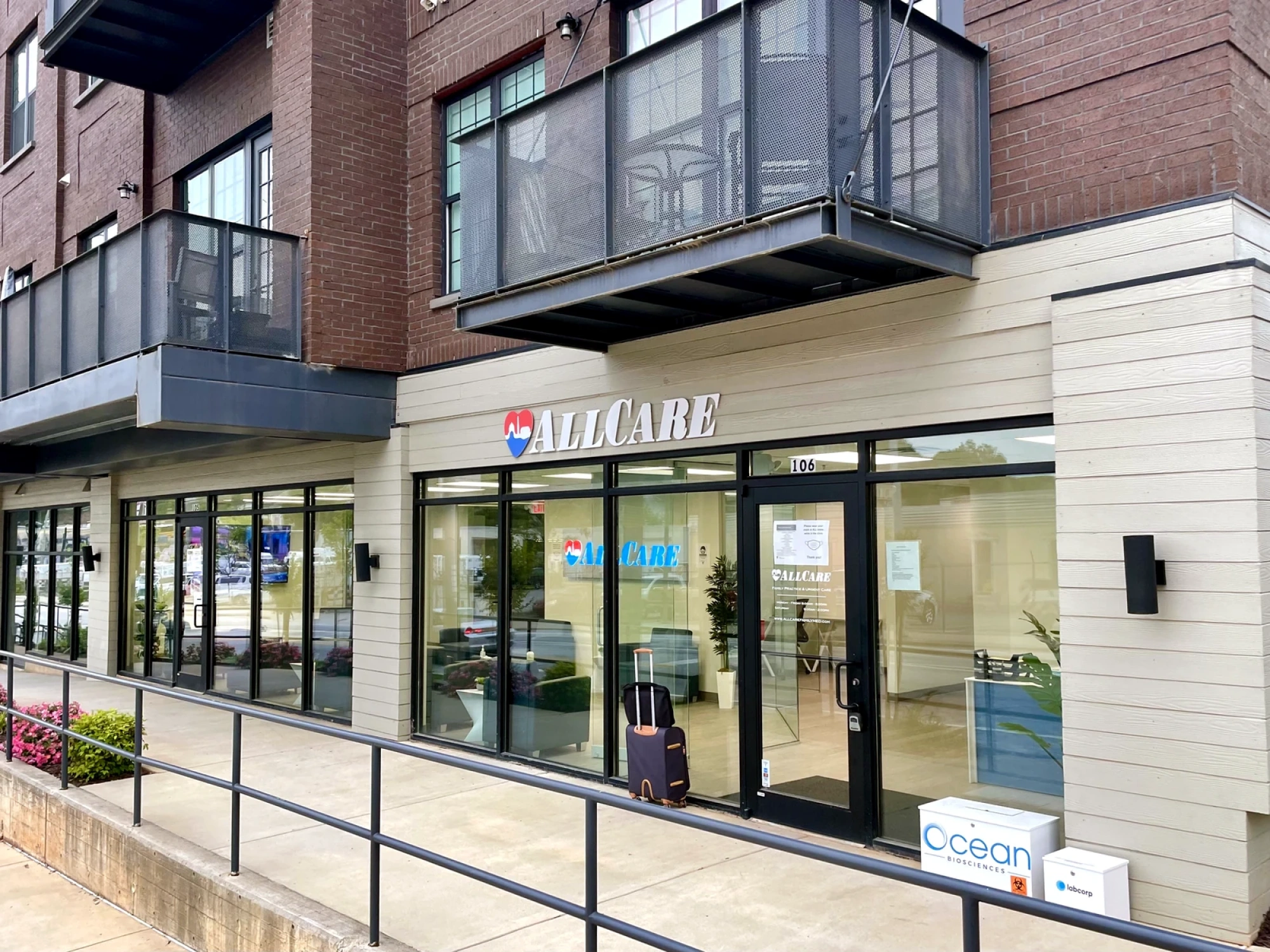
Reynoldstown
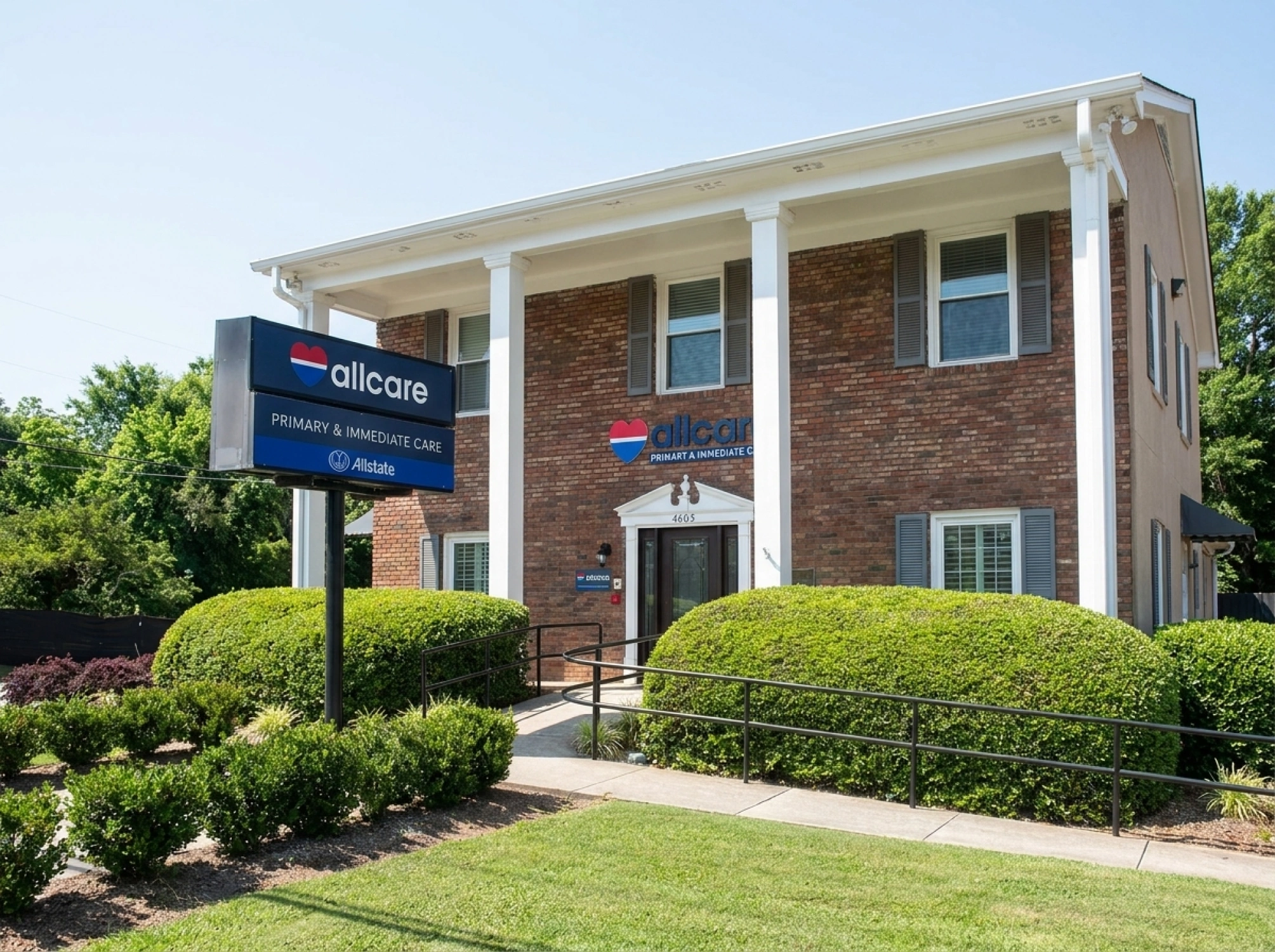
Buckhead

Midtown
Help from qualified providers & specialists

Tracey Sills

Tolu Arowosegbe
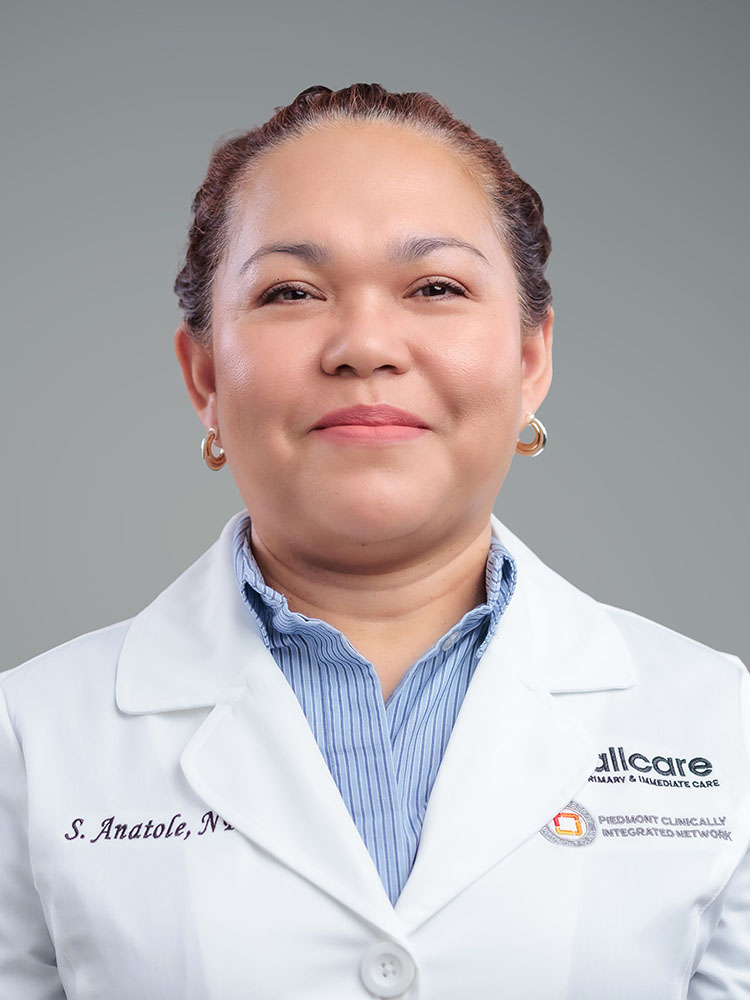
Sherlyne Anatole

Regina Davis

FAQ
Common questions about skin infections
What does a skin infection look like?
A skin infection looks different by type and stage, but common signs include skin that's red, swollen, tender, hot, or painful, plus pus or fluid leaking from the area. You might also see blisters or open sores, itching, or fever and chills. Catching it early keeps it from spreading. Walk in any day to get checked.
How can I prevent skin infections?
Good personal hygiene is the first step to preventing skin infections. Washing your hands with soap and water regularly can help prevent the spread of bacteria. Keep your skin clean and dry, and don’t scratch the affected areas, which could worsen the infection. For fungal infections, avoid walking barefoot in public, and choose socks and shoes made of breathable fabric.
Who is most likely to get a skin infection?
Certain individuals are at higher risk for skin infections due to existing diseases and chronic illnesses. Conditions like diabetes, poor circulation, obesity, and a weakened immune system increase susceptibility to infections. Individuals with immunocompromised diseases such as HIV or those undergoing chemotherapy are also at higher risk. Additionally, very young children and elderly individuals, as well as those with chronic skin conditions like eczema, are more prone to developing skin infections. Factors like poor hygiene, frequent skin injuries, and living in close quarters with others can also contribute to a higher risk.
What are the types of skin infections?
There are multiple forms of skin infection and understanding the different types can ensure you receive early intervention. The most common types of skin infections include: Bacterial Infections: Common bacterial infections include impetigo, cellulitis, abscesses, and folliculitis. These infections often present with redness, swelling, pain, and pus-filled lesions. Fungal Infections : These include ringworm (tinea corporis), athlete’s foot (tinea pedis), and jock itch (tinea cruris). Fungal infections typically cause itchy, red, and scaly rashes. Viral Infections : Examples include shingles and herpes simplex. These infections can cause painful rashes and blisters. Parasitic Infections : Scabies and lice infestations are common parasitic skin infections, causing intense itching and rash.
What causes skin infections?
Skin infections are caused by a variety of microorganisms, including viruses, bacteria, fungi, and parasites. Each type of microorganism can enter the skin through different means, such as cuts, scrapes, bug bites, piercings, tattoos, or wounds. The symptoms and treatment will depend on the specific cause of the infection. Bacterial infections like cellulitis and impetigo are treated with antibiotics, while fungal infections like athlete’s foot and ringworm require antifungal medications. Viral infections, such as shingles, are managed with antiviral drugs, and parasitic infections, like scabies, are treated with antiparasitic medications.
Always Nearby
15 urgent care clinics treating skin infections
Braselton
1070 Braselton Village Parkway, Suite 100, Braselton, GA 30517
Trusted by thousands of customers
As a new resident in the Alpharetta area, I felt immediately comfortable in the care of Nurse Practitioner Ancelle Jackson. She truly listened as I explained my symptoms and showed genuine interest in getting to the root cause rather than just treating the
Shasa
Alpharetta
Another great experience, my 3rd time here. Pervious nurse practitioner left, I was hesitant to continue with this location.
Lee
Dallas
Super quick and easy visit. They called me right back at my appointment time and saw me immediately.They didn't leave me sitting in the waiting room in an hour only to be called back to the room and wait another hour to be seen for 5 minutes, like many doc
Ryan
Dallas
Very caring and friendly staff.
Debra
Reynoldstown


Get care today
Same-day care at 15 Atlanta locations. Walk in, book online, or start a virtual visit.
Use most insurance, self-pay, HSA, or FSA
Board-certified MD, PA, or NP every visit
Follow-up care at any location, no wait
Most major plans accepted: BlueCross, Aetna, Cigna, UnitedHealthcare, Humana, Kaiser, and more.